NVT, Scorpion and Mizer

July 13, 2012

 England flag

NVT history: Condensed from Wikipedia

NVT was a British motorcycle manufacturer from 1972 to 1978, formed by the British Government.

Triumph had been owned by the BSA Group since 1951, but by 1972 the merged BSA-Triumph group was in serious financial trouble. British Government policy at the time was to save strategic industries with taxpayers’ money. They decided to bail out the company, provided that to compete with the Japanese it merged with financially troubled Norton Villiers, a subsidiary of British engineering conglomerate Manganese Bronze.

The merged company was created in 1973. As BSA was both a failed company and a solely British-known brand (the company’s products had always been most successfully marketed in North America under the Triumph brand), the new conglomerate was called Norton Villiers Triumph.

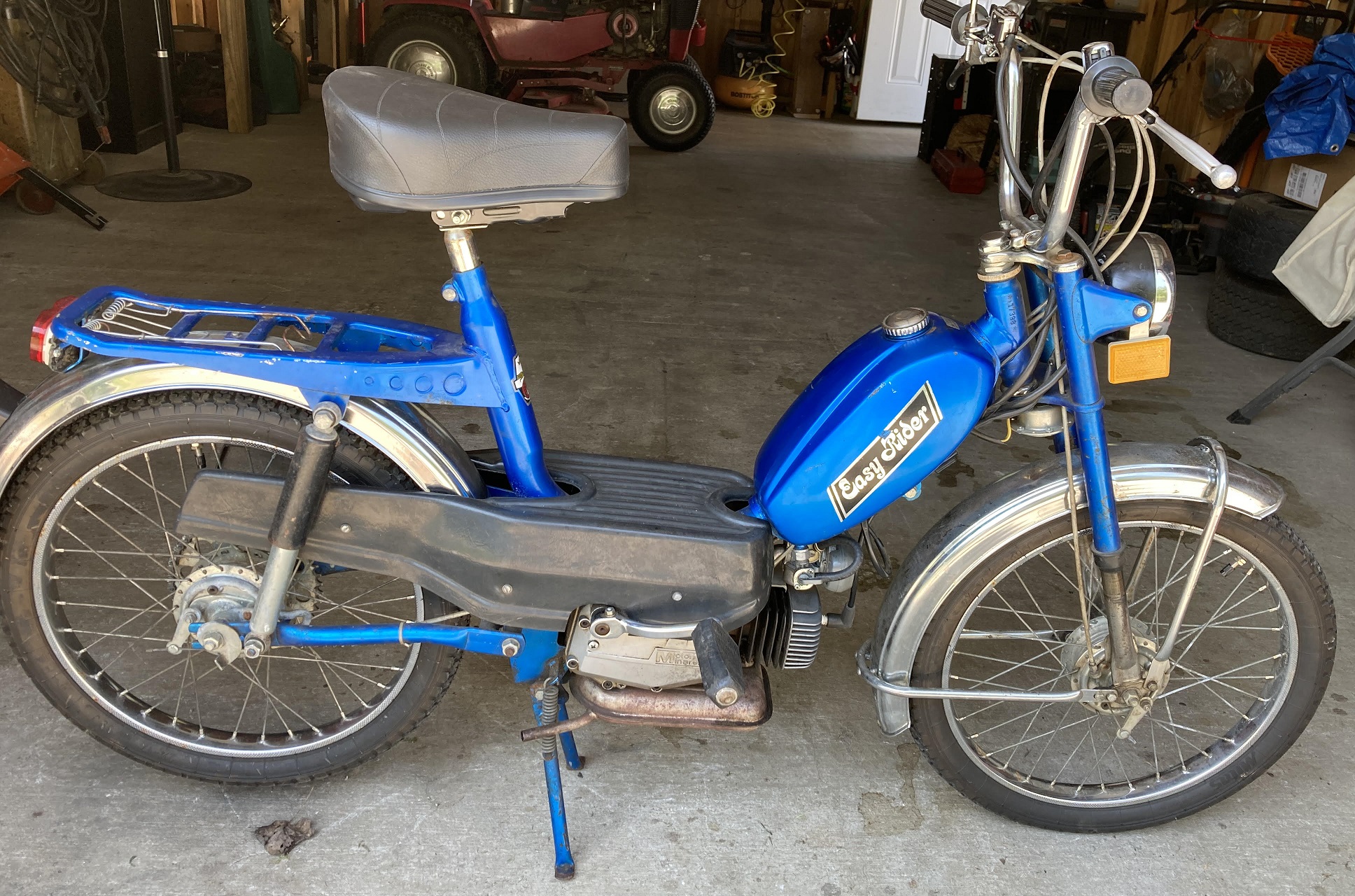
NVT inherited four motorcycle factories—Small Heath (ex-BSA); Andover and Wolverhampton (Norton); and Meriden (Triumph). Still short of development cash, the company was restricted to launching developments of existing products, most notably around the popular Norton Commando. With its classical parallel twin probably by now overdeveloped, from March 1973 the Roadster, Hi Rider, and the Interstate all began to use a new 828 cc engine. Later NVT also produced the Easy Rider moped including a “sixteener” version with a Morini engine and pedals, and the NVT Rambler 125/175 cc with Yamaha engines. 

NVT was eventually liquidated in 1978. Even though Norton Villiers Triumph is no more, motorcycles bearing the Triumph name are still being made; the marketing rights to Triumph were sold to the Meriden workers’ co-operative in 1977 and in 1983, sold on to a new Triumph Motorcycles Ltd company situated in Hinckley, Leicestershire.
  
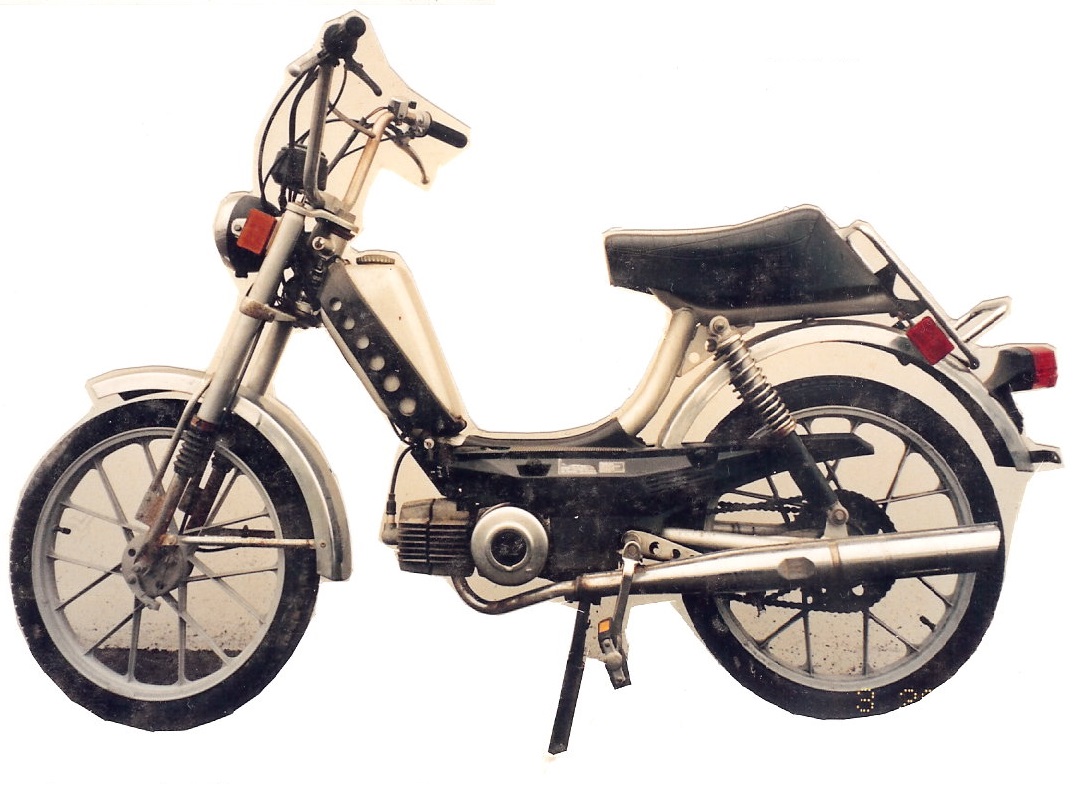
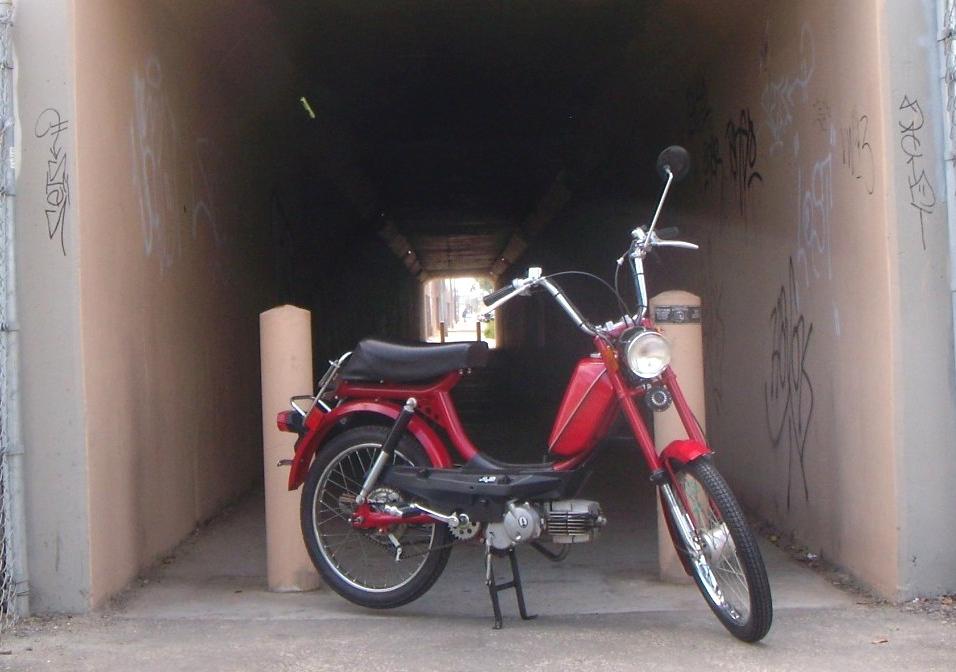
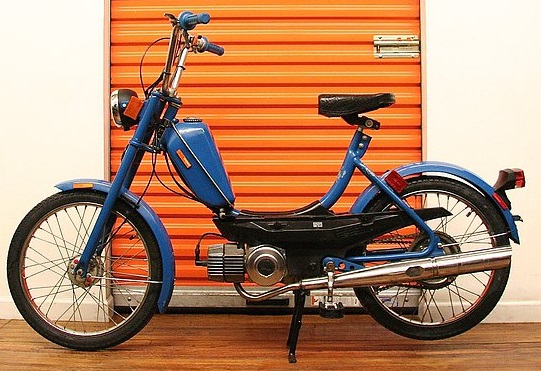
1.
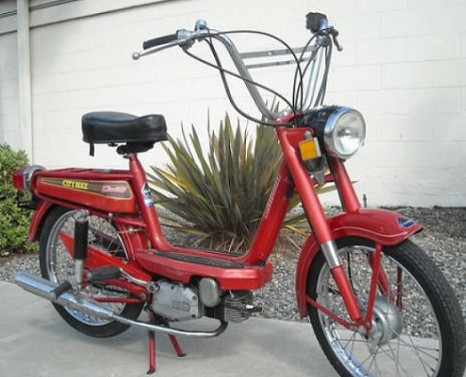
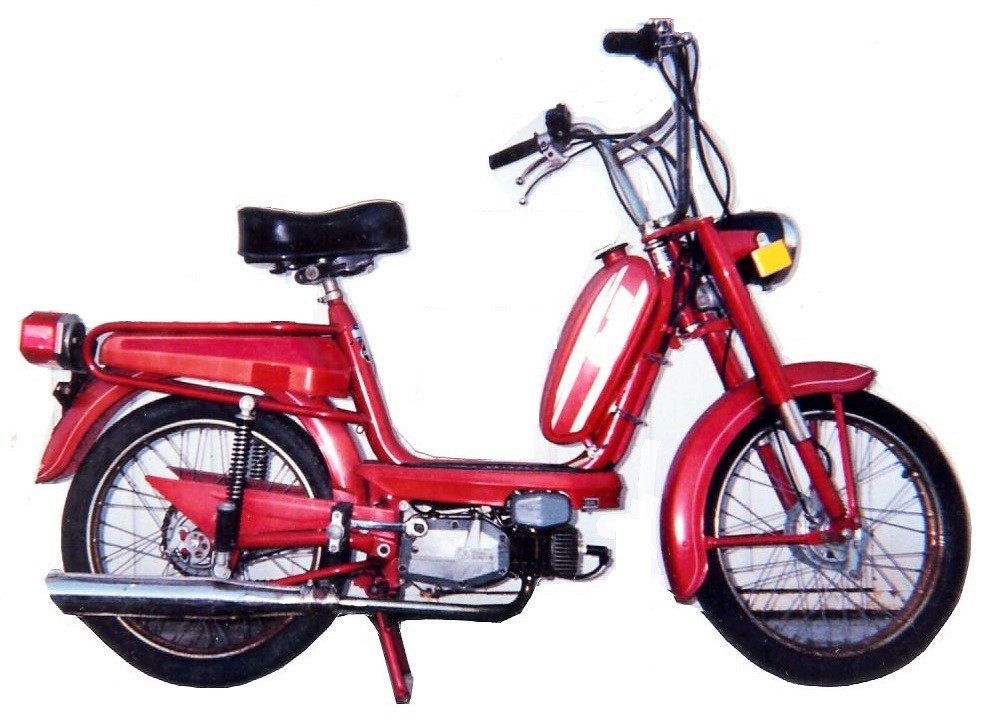
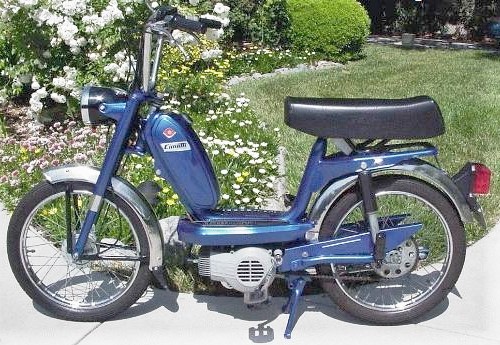
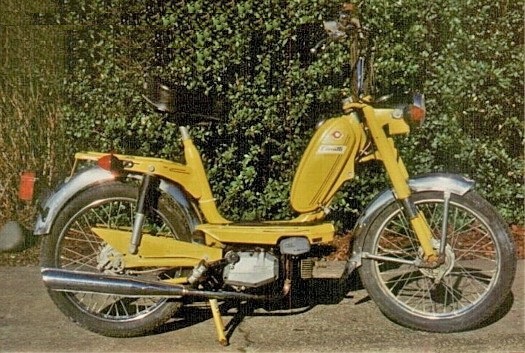
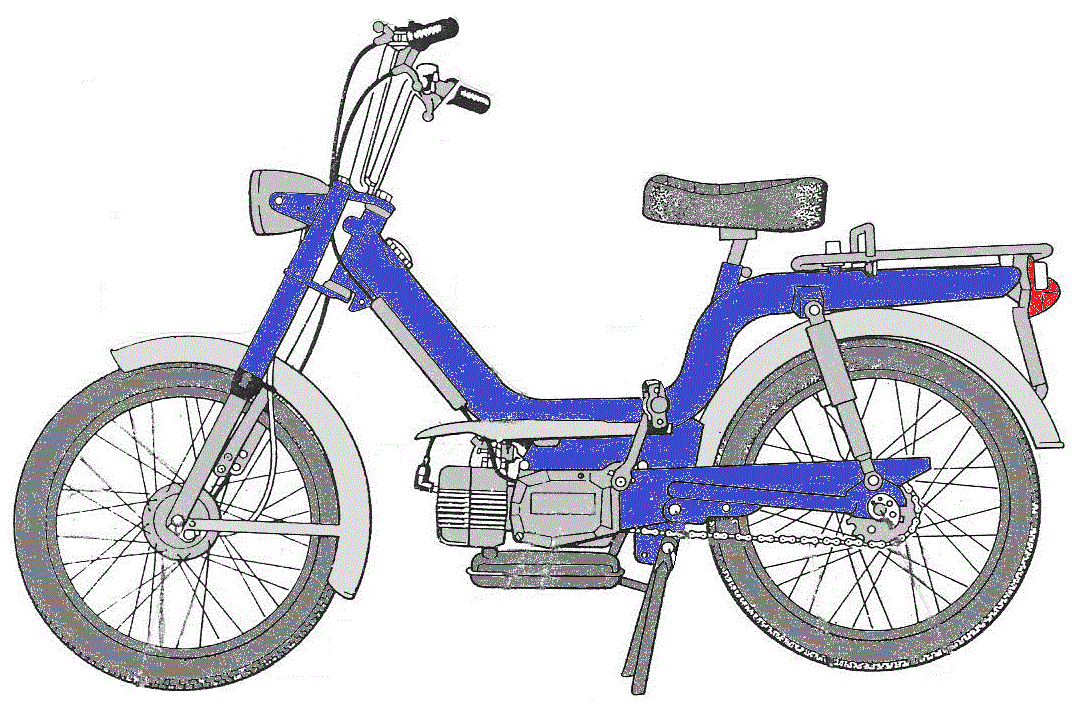
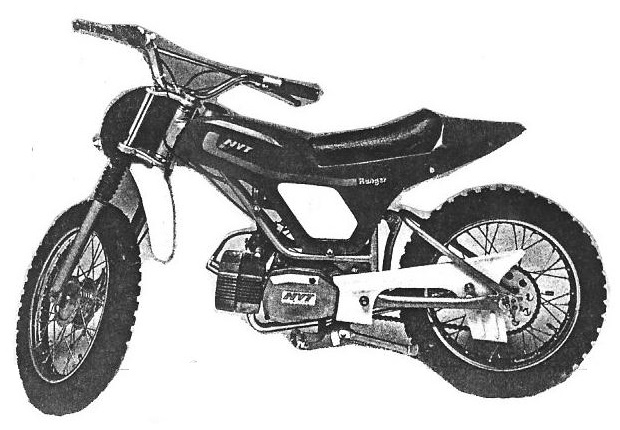
’76-77 NVT Eazy Rider (ER), 2. ’76-77 NVT Ranger, 3. NVT ER4L (UK model)


From The Empire Strikes Back, by Mark Daniels http://www.icenicam.org.uk/articles5/art0086.html

The first Eazy Rider ER1 and ER2 step-through automatic models were introduced in March 1976, and were assembled near Birmingham, at Shenstone in Staffordshire.

There’s some speculation that NVT made the chassis, but seems unlikely since the swing-arm and pressed steel chain guard appear on other, variously branded, Italian-built machines which are generally credited to Bianchi/Italtelai manufacture. The NVT frame however, never appears on any other Bianchi/Italtelai made bikes, though tube sizes and some forms are fairly similar, so it seems possible that Bianchi/Italtelai could have made the chassis to Bob Trigg’s specific design, so maybe the Easy Rider range wasn’t quite a totally bought-in machine assembled from off-the-peg components.
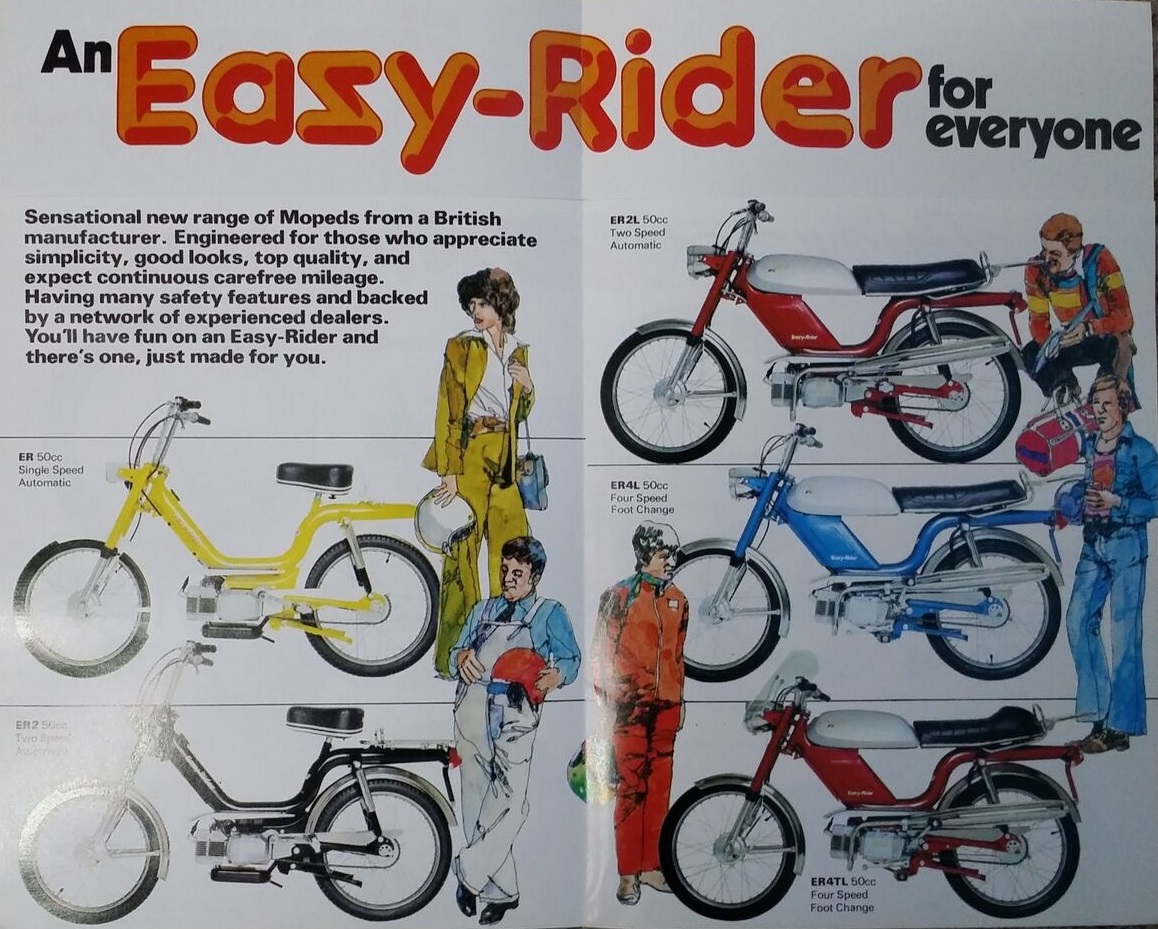


Late 70’s NVT Eazy Rider (UK models) sales flyer


NVT Eazy Rider US and UK models:
ER     Morini MO-1 engine (1-speed) step-thru
ER2   Morini MO-2 engine (2-speed) step-thru
ER2L Morini MO-2 engine (2-speed) top-tank

NVT Ranger Morini MO-1K off road

NVT Eazy Rider UK models:
ER2L   Morini MO-2 (2-speed automatic) top-tank
ER4L   Morini MO-4 (4-speed foot shift) top-tank
ER4TL Morini MO-4 (4-speed foot shift) top-tank

NVT ER and ER2 specs: tires 2.25 – 17, weight 110 lbs, total length 66.5″,
mono-tube frame gas tank 0.95 gallon, vent button behind seat, sprockets 12 x 28T.

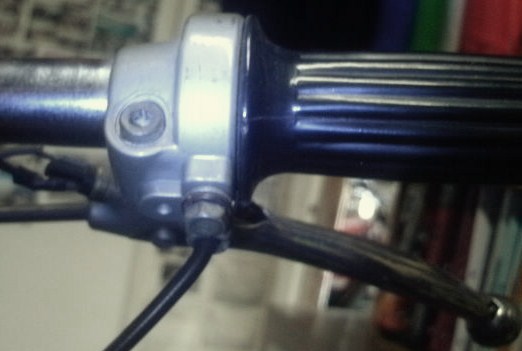
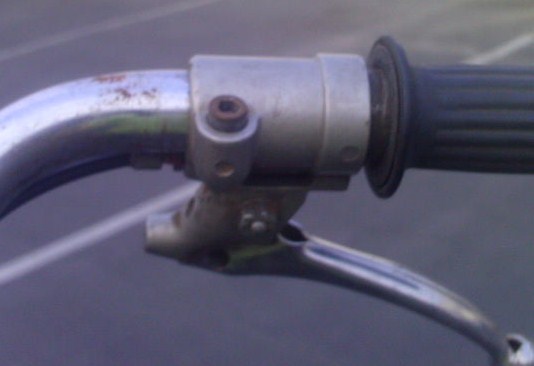
NVT ER and ER2 components: Domino 1970’s controls, chrome (stainless) levers,
double-ended brake cables with both ends mushroom type,
Grimeca hubs, 90mm brakes, 11mm axles, Lucas 679 (England) tail light, CEV “bullet” headlight,
CEV round chrome switches, brake light switches in parallel, normally open when installed.

Some US models have “small” Bosch magneto, dark grey colored flywheel, with internal ignition ground,
and a third source coil powering the brake light.

Some US models have a Dansi 101286 magneto, gold colored flywheel, with an internal ignition ground.
The lighting coil is split into two outputs, so it looks like two source coils but it is actually three. 
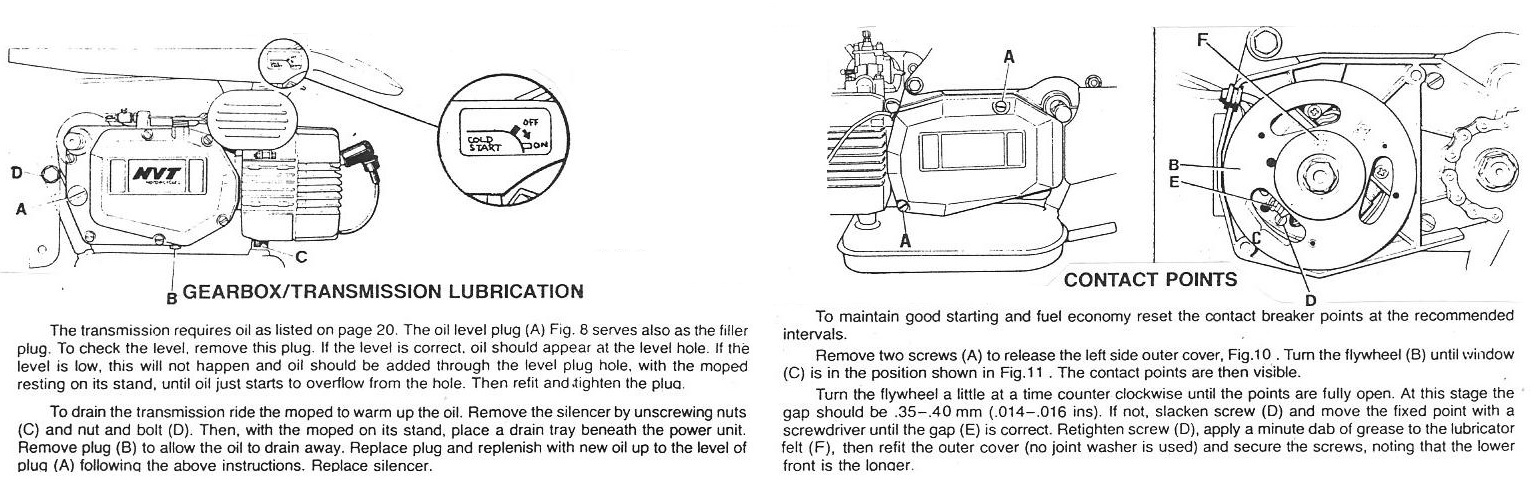
NVT service info
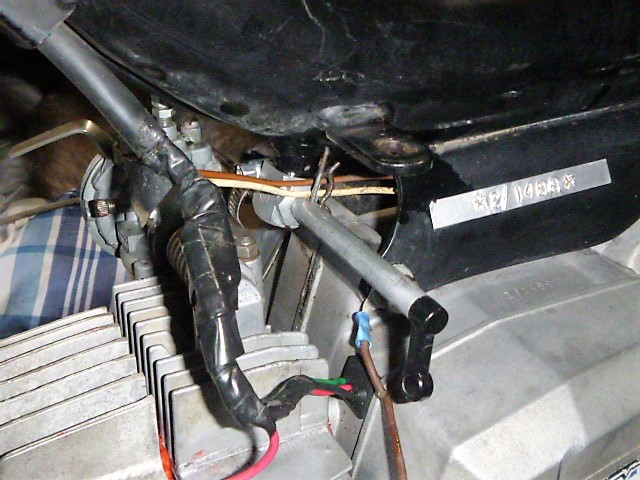
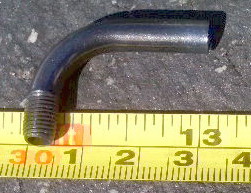
NVT ER gas valve 10×1
male, spigot back, with 
long detachable shaft
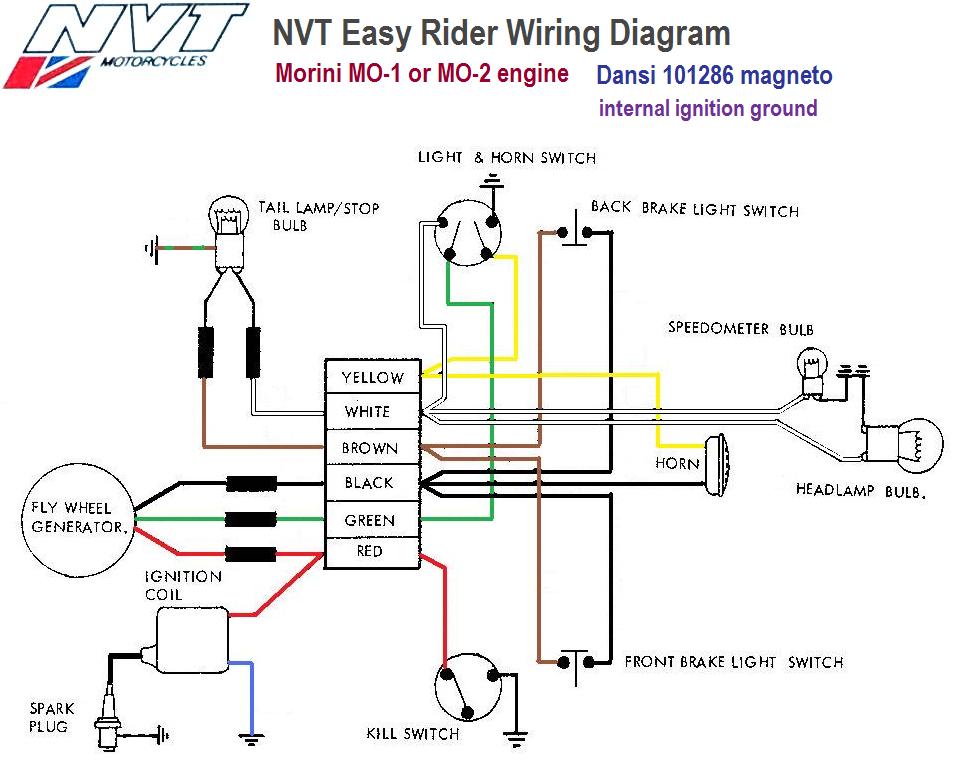
NVT Eazy Rider Wiring
Dansi 101286 magneto
internal ignition ground


Scorpion


Scorpion history: From The Empire Strikes Back, by Mark Daniels http://www.icenicam.org.uk/articles5/art0086.html

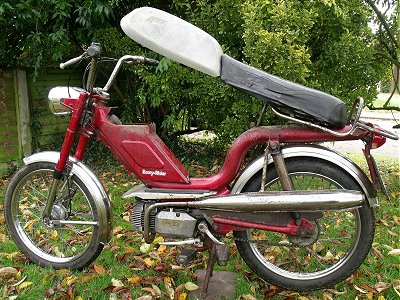
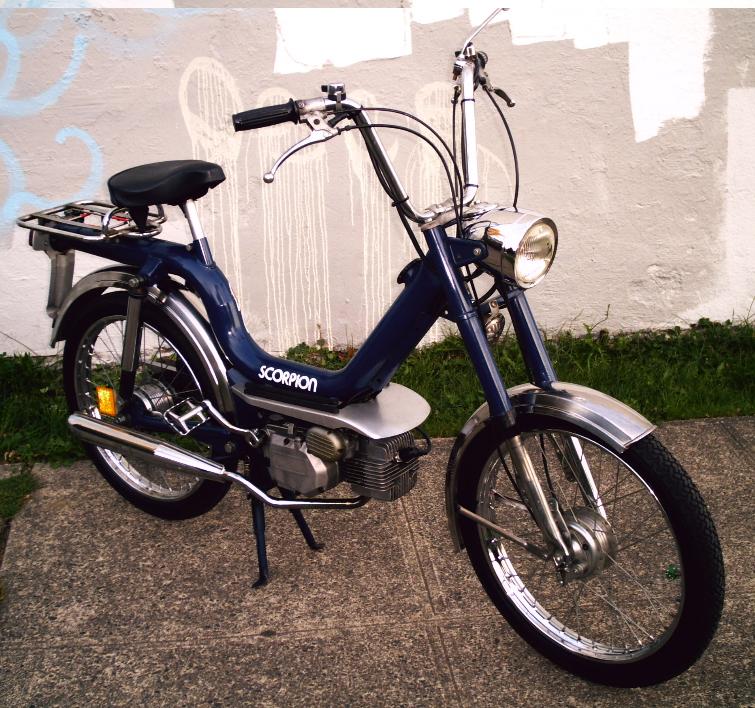
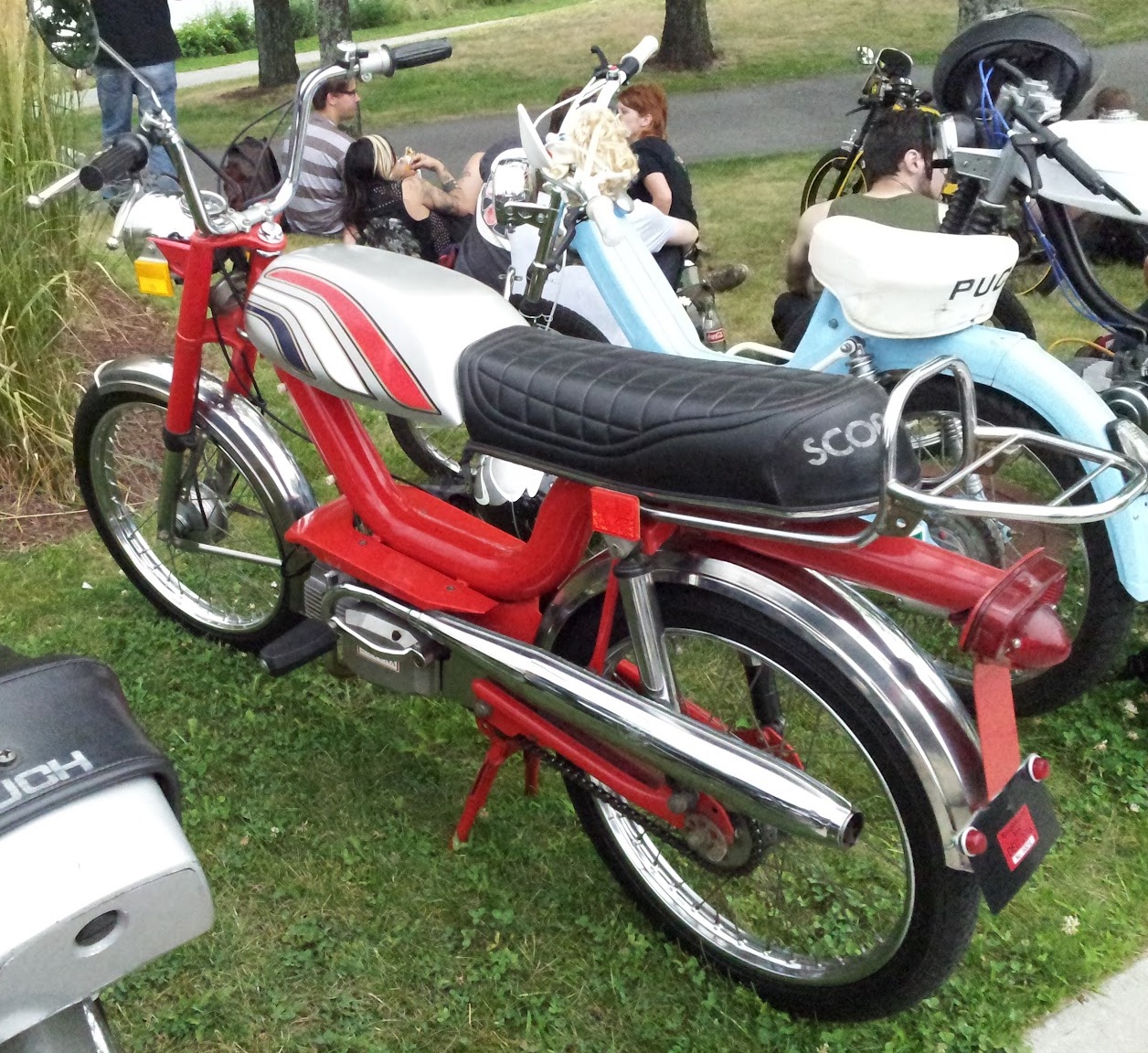
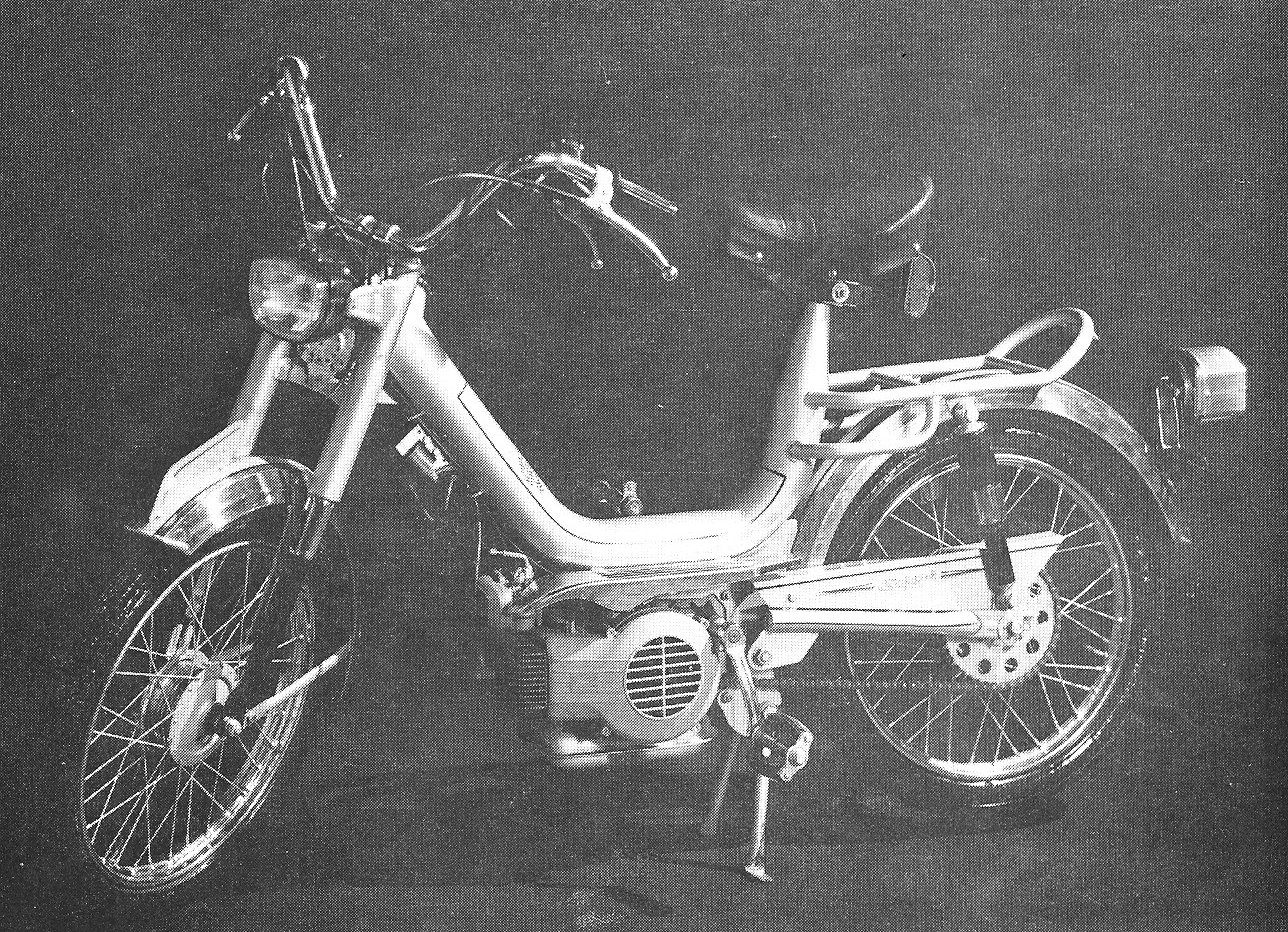
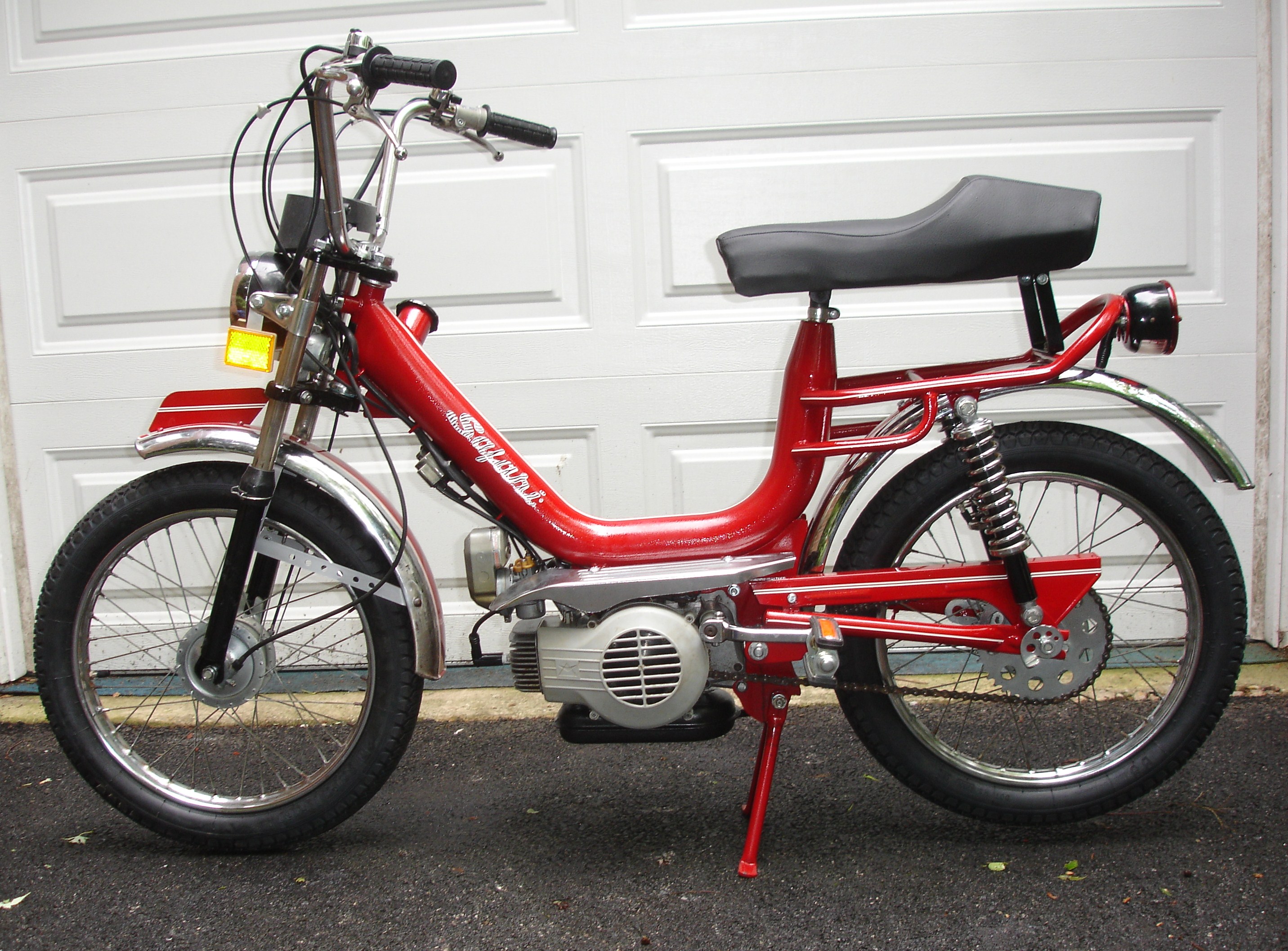
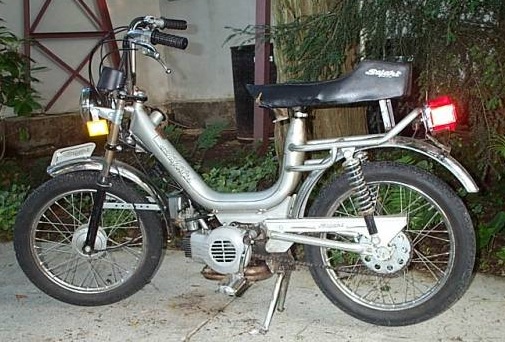
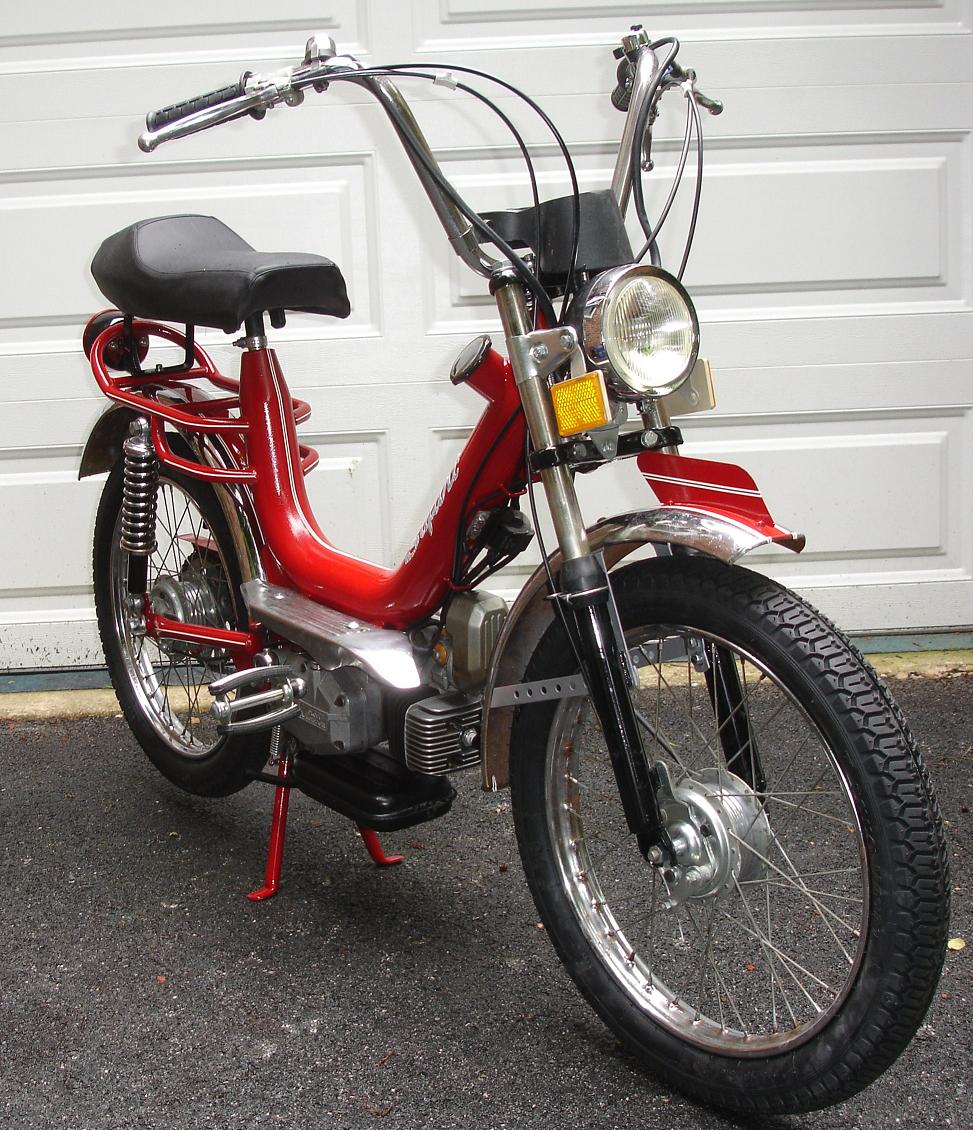
Towards the end of 1977 NVT announced the securing of export orders to the USA of 1,000 Easy Rider mopeds per month.  Export market American mopeds were mainly sold as either NVT Easy Rider or, from August 1977, as Scorpion SC1 (step-through frame, single-speed auto), SC2 (step-through frame, two-speed auto), and SC-2X Scrambler models (sports styled, two-speed auto). Frame plates indicated these machines as ‘Manufactured by Scorpion Inc. Crosby, Minnesota’, a snowmobile manufacturer established from 1959, who marketed the mopeds as a product diversification.

US model NVT mopeds were imported by Scorpion, Inc. Box 300B, Crosby Minnesota USA. Before August 1977 they were sold as NVT, and after that they were re-branded as Scorpion.
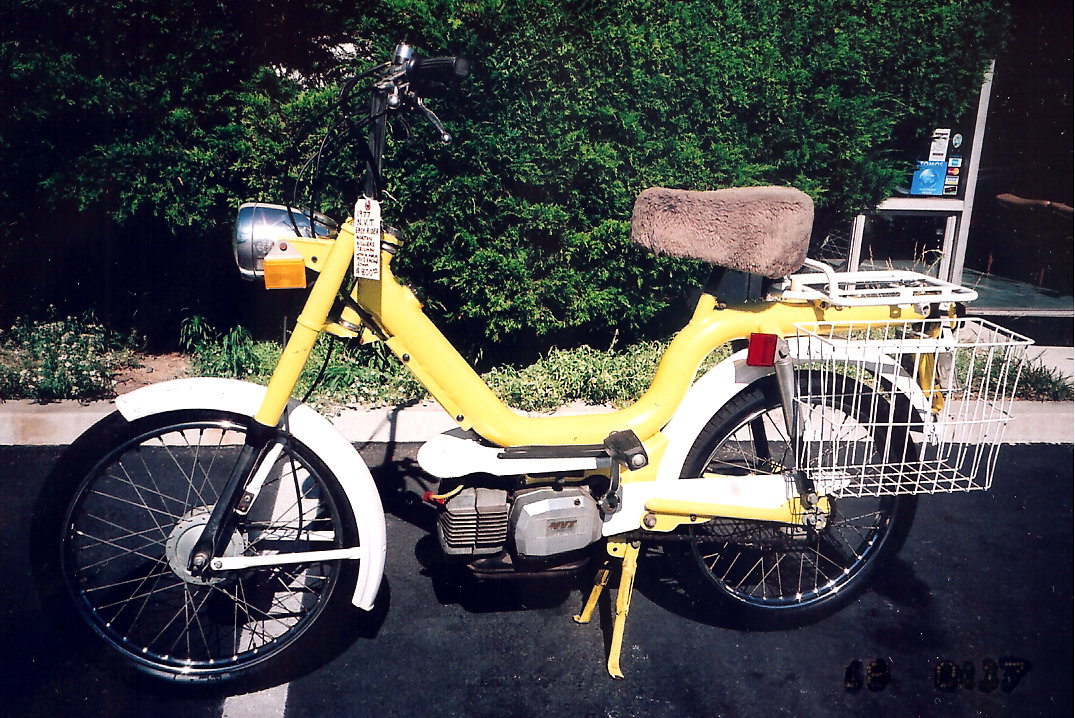
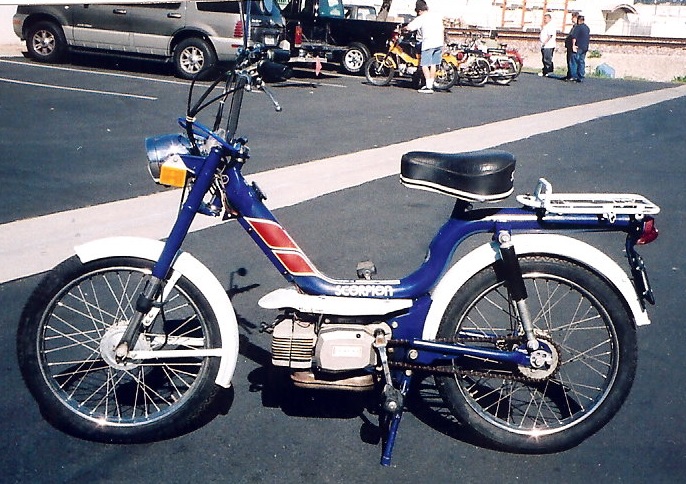
Info NVT color  j
Left, 1977 NVT Eazy Rider ER1 or ER2. Right, 1978 Scorpion SC1 or SC2.
On the left side the MO1 and MO2 engines are the same. You can’t tell the model from these photos.
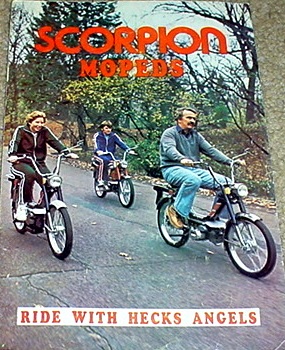
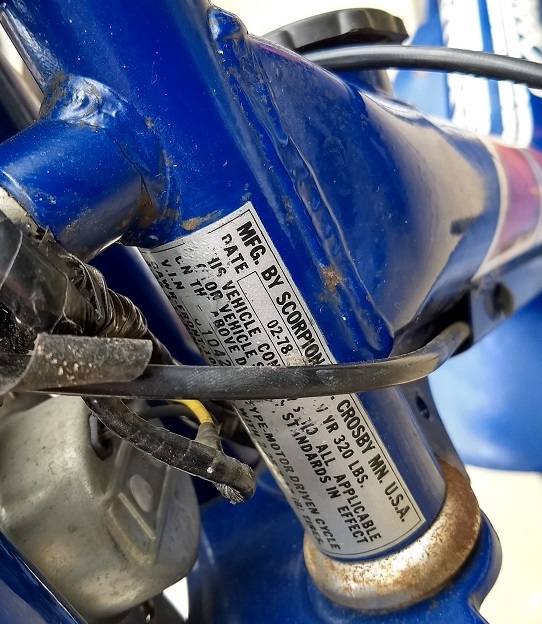
 

 Scorpion 
1. 02-1978 Scorpion ID, 2. 1977 Scorpion SC1, 3. 1978 Scorpion SC2X


SC1: Morini MO-1 engine says Cuyana,
Weight 102 lb

SC2: Morini MO-2 engine says Cuyana,
Weight 105 lb

SC2X: Morini MO-2 engine says Cuyana
top tank, long seat with storage. Weight 113 lb
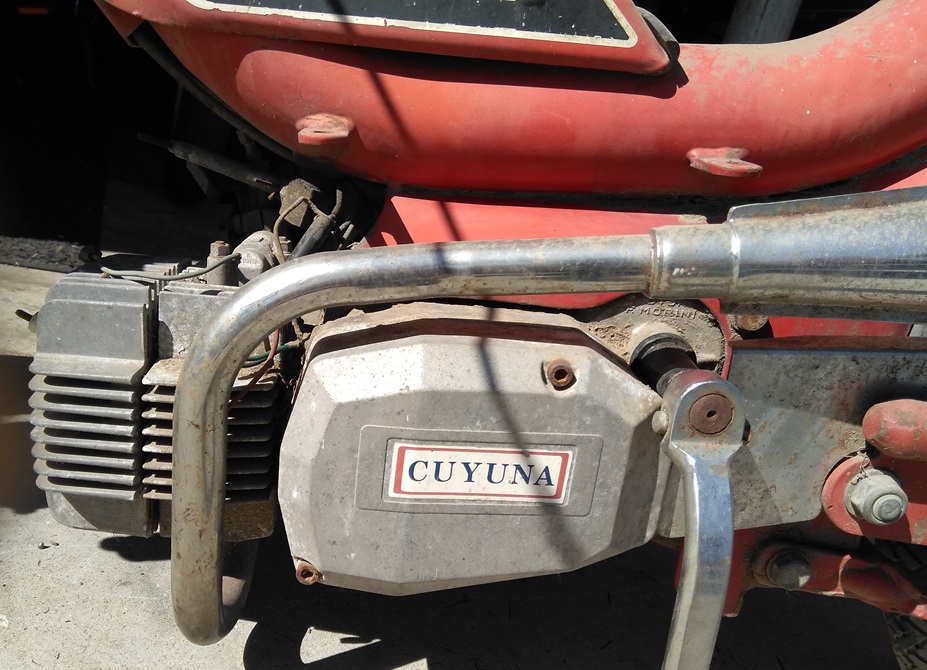


Cuyuna: The Cuyuna Development Co. made snowmobile engines, named for the Cuyuna Iron Range in Minnesota, near Crosby MN. Their stickers are on Scorpion moped engines, made by Franco Morini.


Specs and Equipment: tires 2.25-17, fuel mixture 40:1, CEV sealed beam headlight,
Lucas 679 tail/stop lamp, steering lock, mirror, luggage rack, speedometer/odometer,
Dellorto carburetor with automatic releasing choke.

Brake cables are 2-ended with mushroom ends.


Mizer
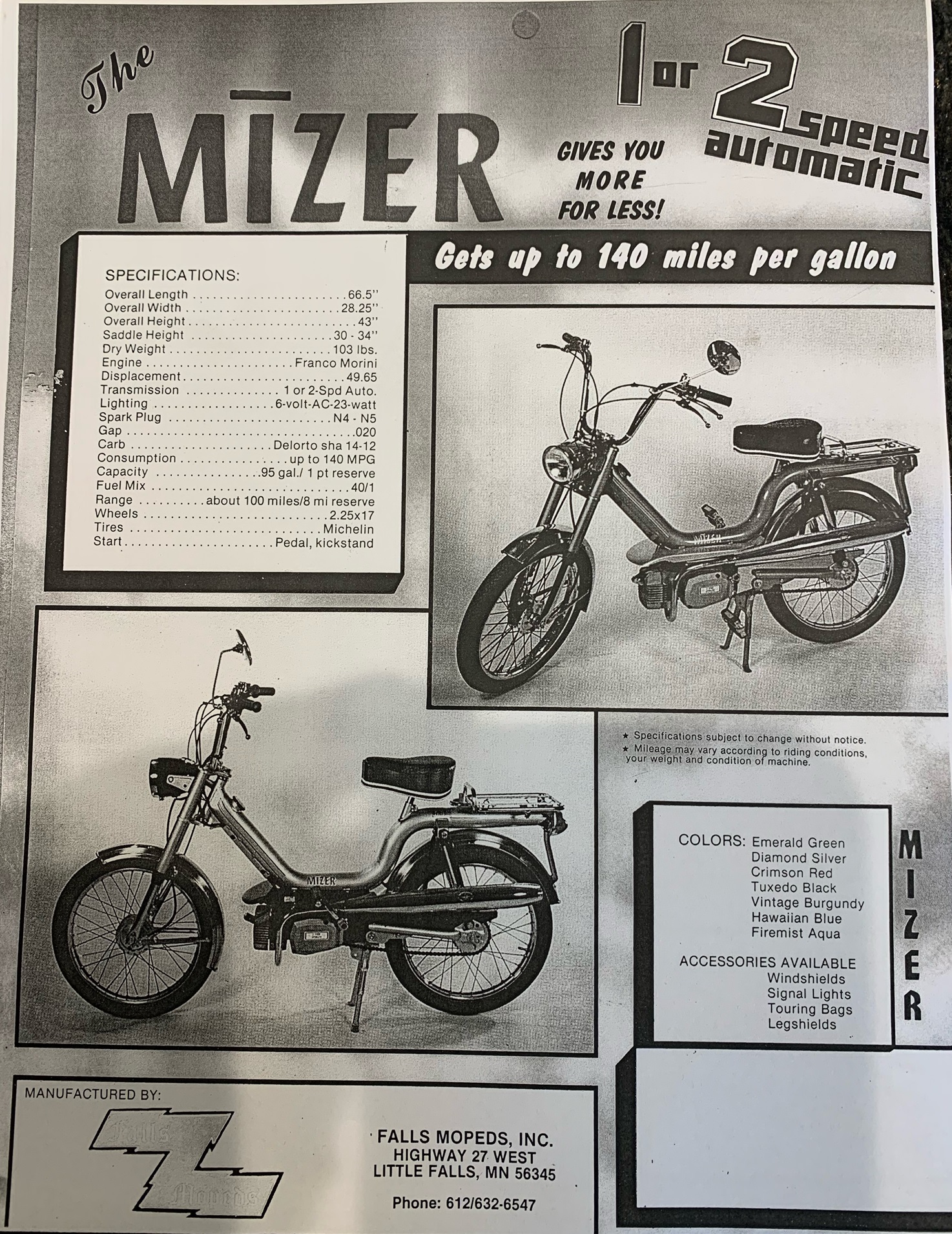
 

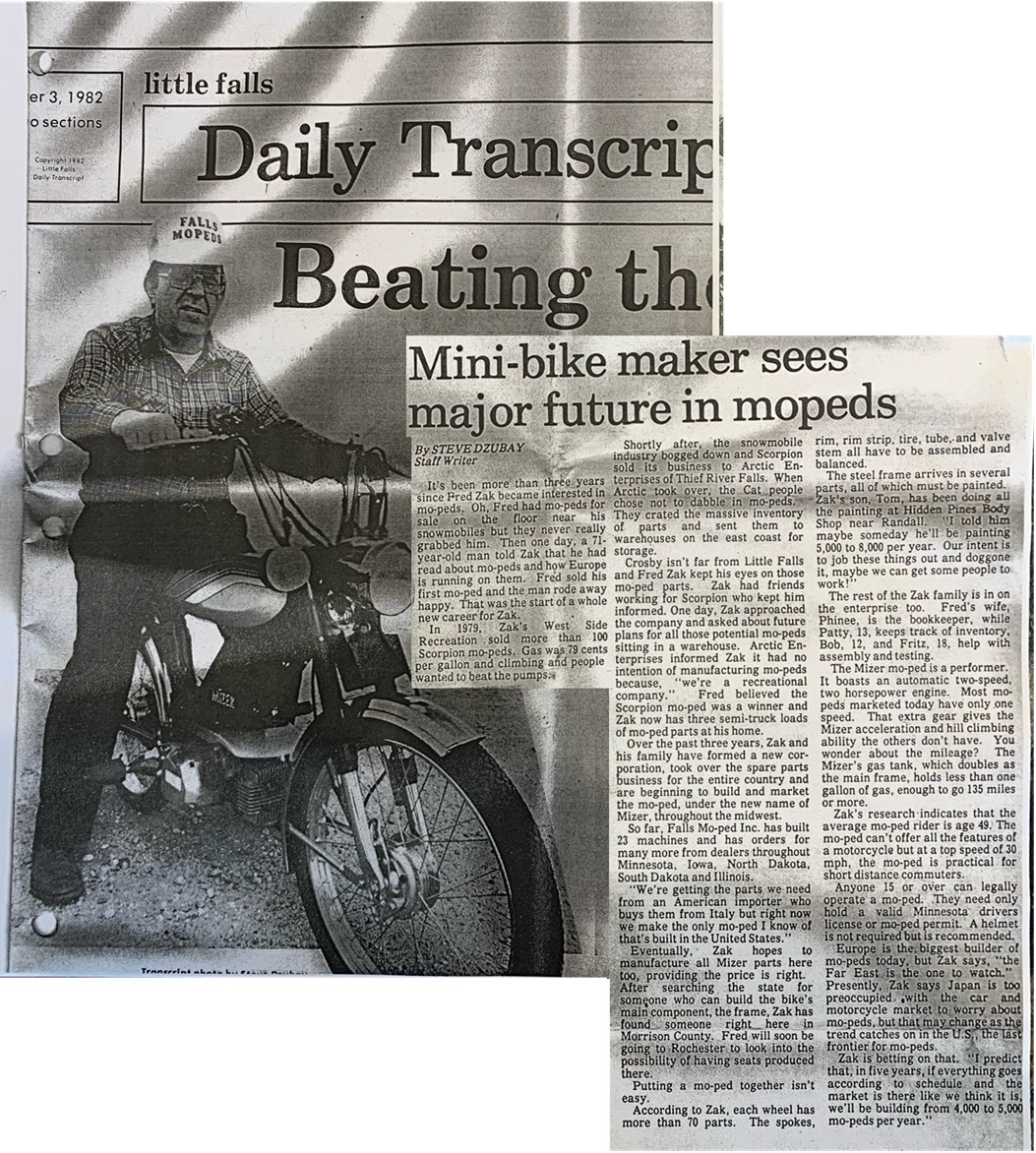
In 1978 Fred Zak began selling Scorpion mopeds in his shop “West Side Recreation” in Little Falls Minnesota. Little Falls is 48 miles from Crosby, MN the home of Scorpion. Zak sold 100 Scorpions in 1979. Gas was high $0.79/gal and Americans wanted things like mopeds that save gas.  

Sometime around 1980-81 moped sales slowed, and Scorpion sold its snowmobile and moped business to Arctic Enterprises. Arctic did not want to dabble in mopeds, so they stored all of the Scorpion moped parts inventory in a warehouse.

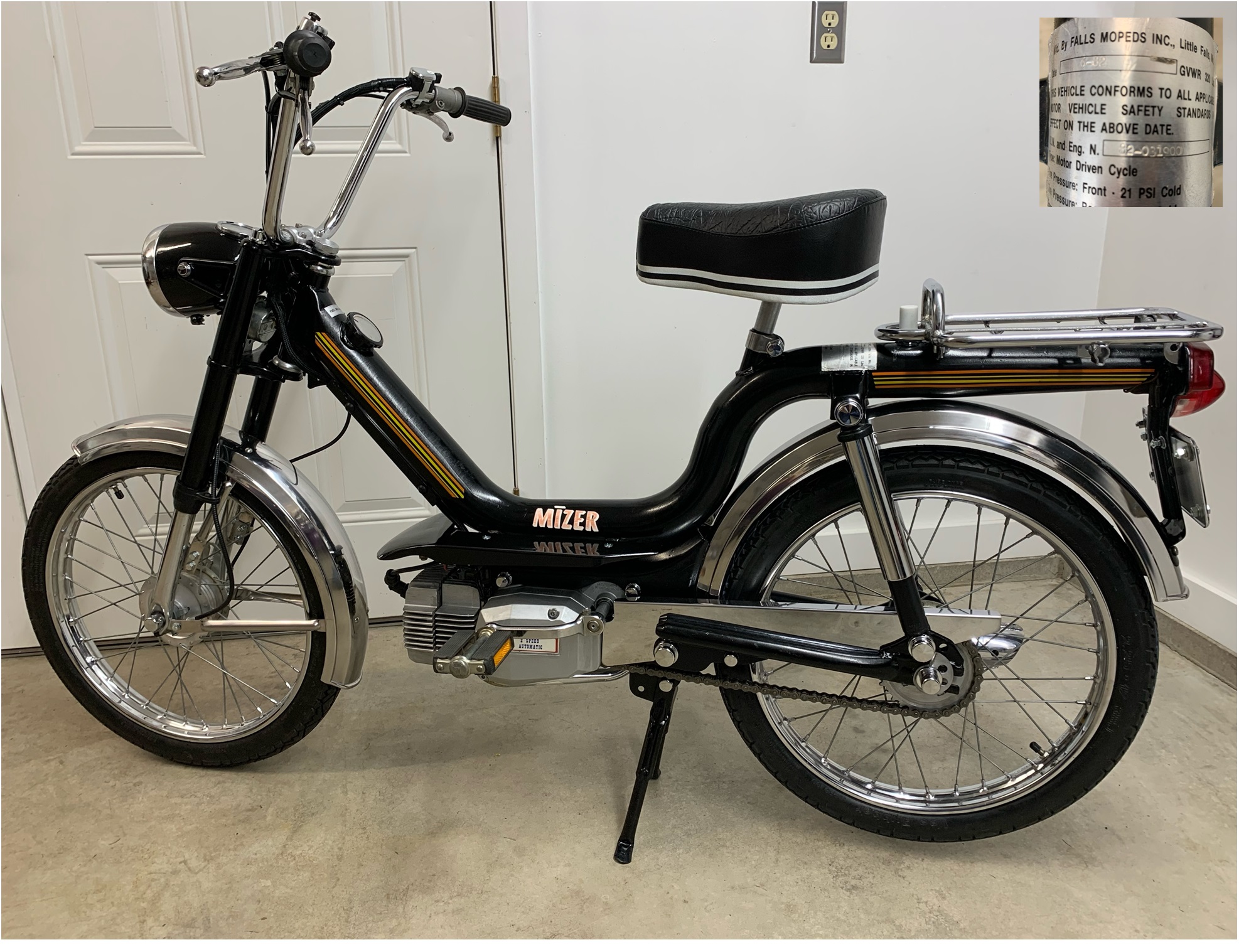
In 1982 Fred Zak purchased the Scorpion inventory from Arctic Enterprises and formed Falls Mopeds, Inc. The Mizer was born! Fred with sons Bob and Fritz assembled 30-40 Mizer mopeds, made out of individual parts, not assemblies. The frames and frame parts were painted and Mizer stickers and stripes added.  
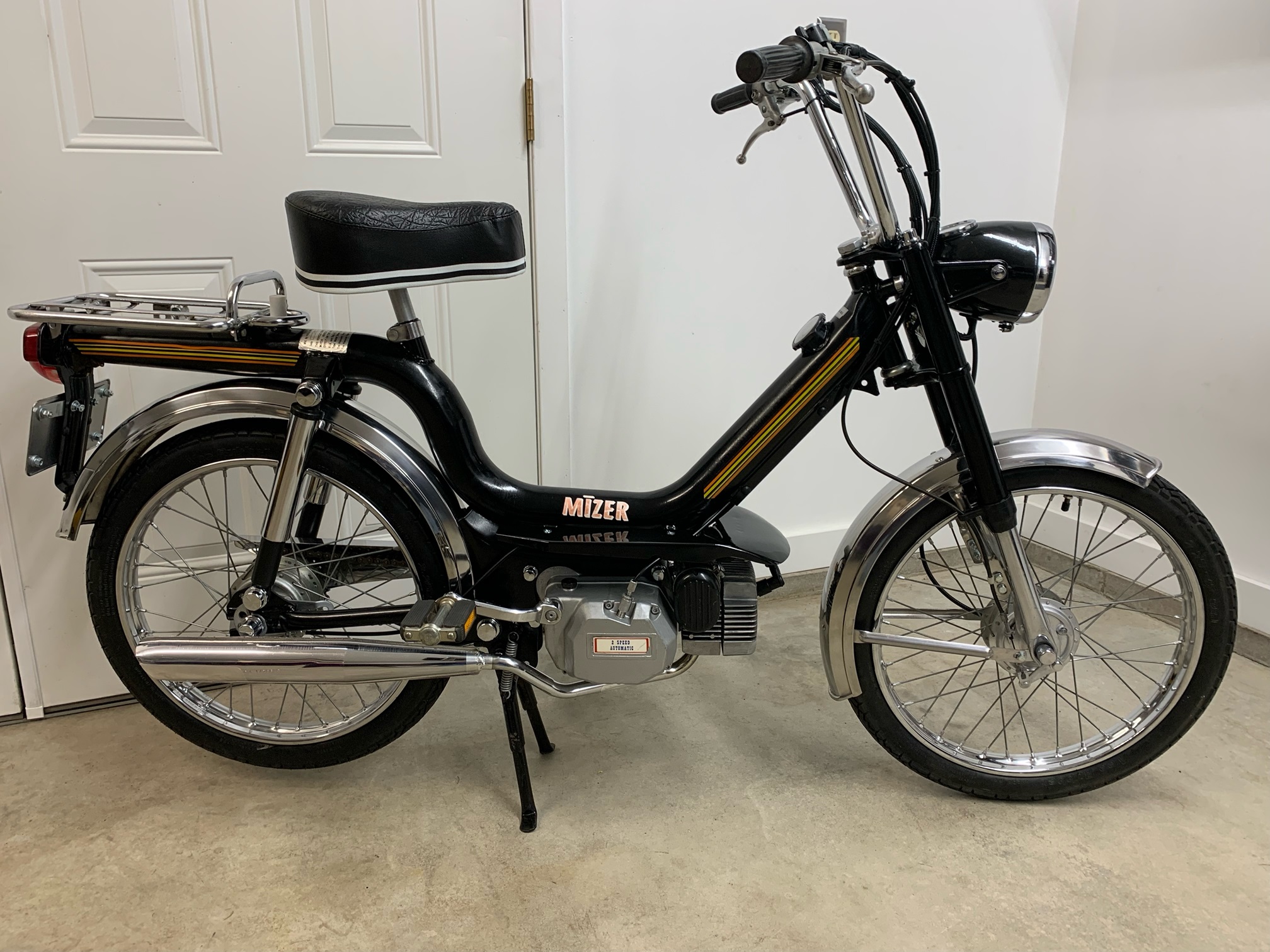


1982 Mizer 2 with Morini MO2 engine, restored by Dan Van Bruggen in Big Lake Minnesota USA.

Mizer components: Mizer has the same parts as Scorpion, including the special double-ended brake cables.
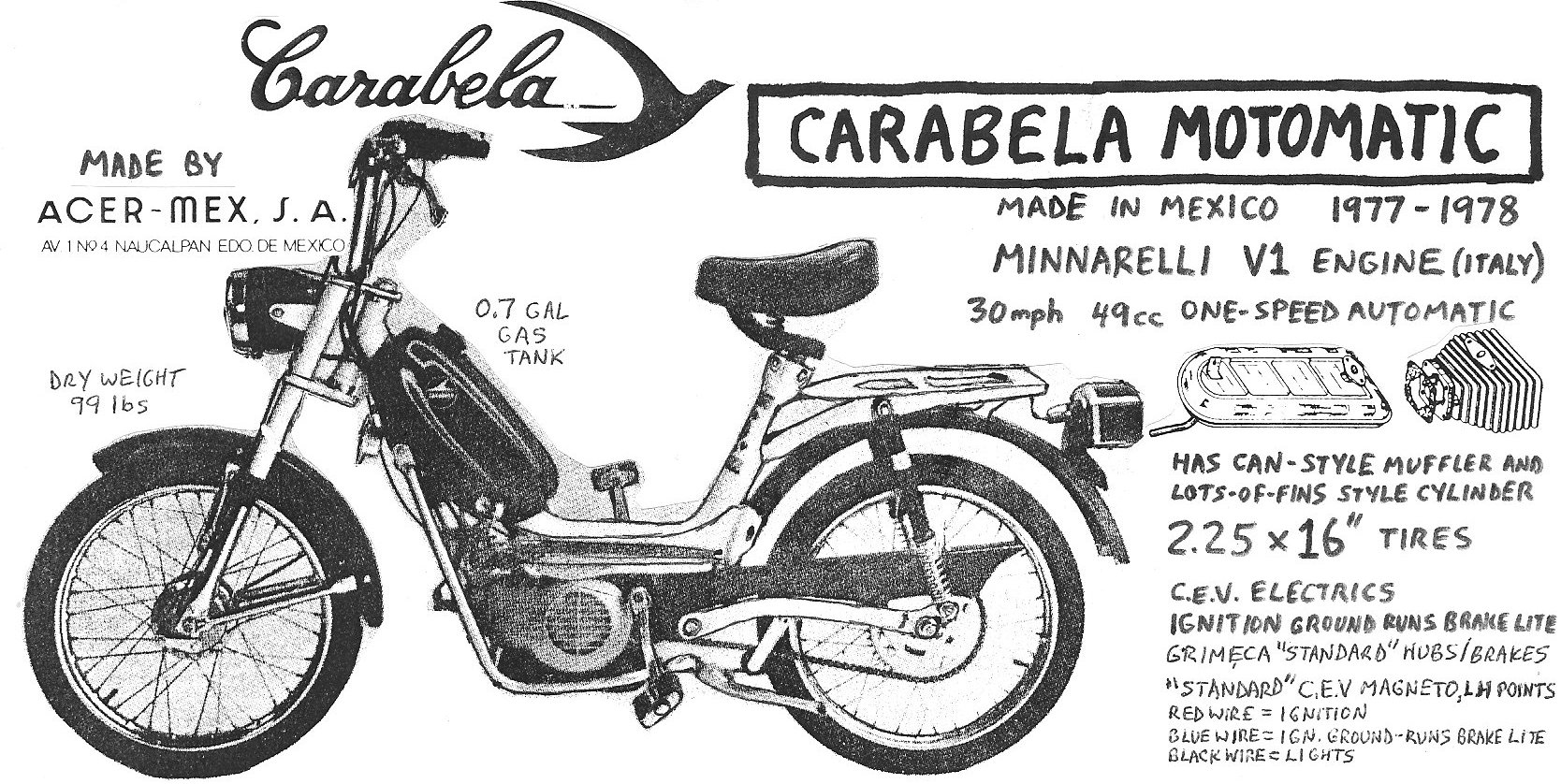


Carabela Parts

July 13, 2012

Mexico flag

            Mexico-made mopeds


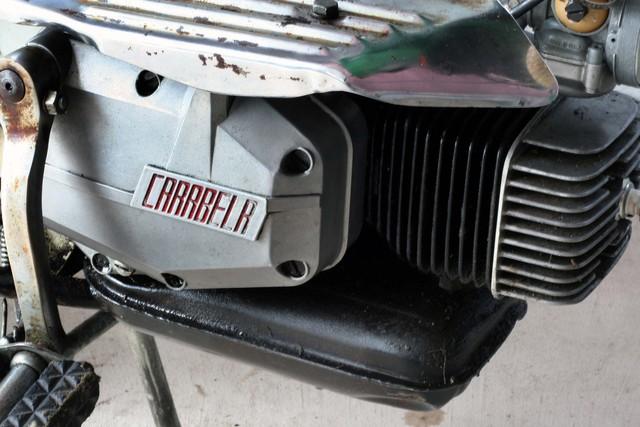
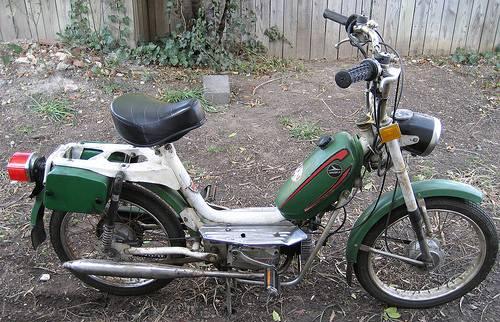
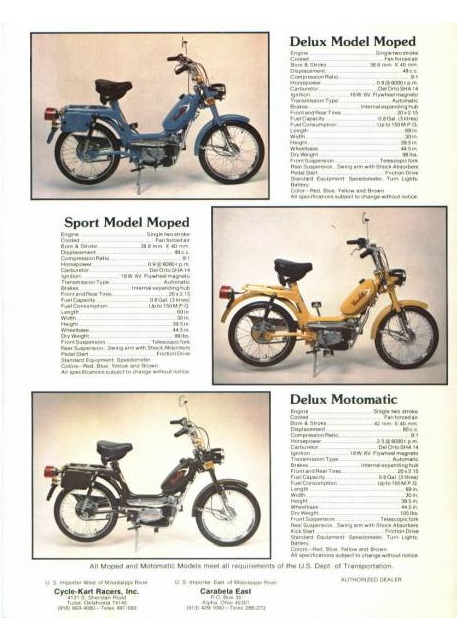
Carabela      made in Mexico by Acer-Mex      Minarelli clone

Carabela Engine

Carabela Engine

1977 Carabela Moto-Matic

1977 Carabela Moto-Matic


Carabela components: Minarelli V1 remake engine (with different, bigger ports and more fins), Dellorto SHA 14/12 carburetor, CEV lights and switches, Domino controls and levers, Grimeca-compatible cast aluminum hubs and brake plates, Grimeca axles and brakes, CEV 6932 magneto, CEV speedometer with LH driver, and CEV reflectors. 


Casal

July 13, 2012

Portugal flag

Casal

Casal  

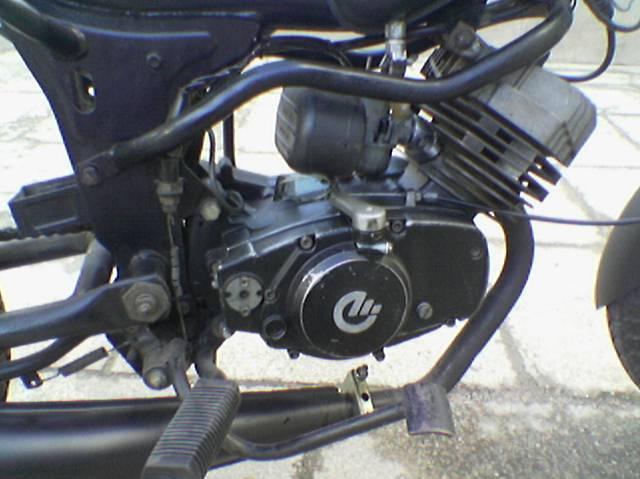
made in Portugal      Casal engine


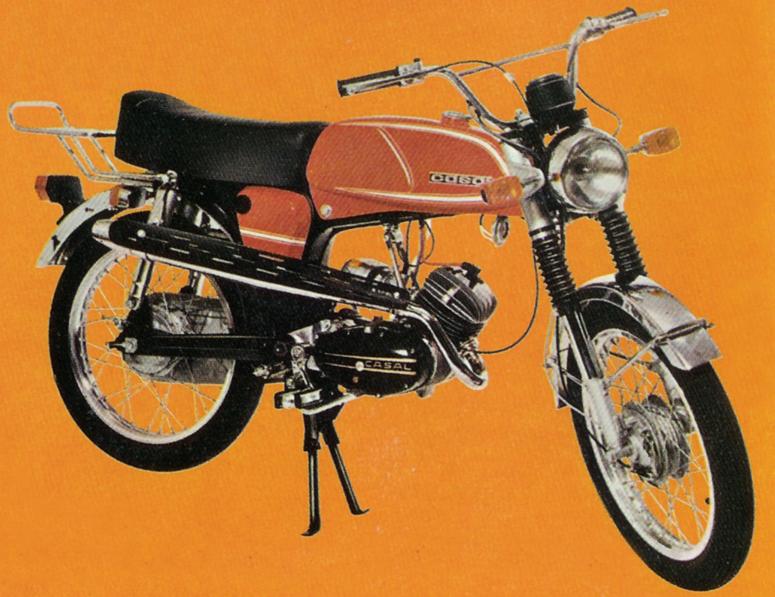
1980 Casal Mopeds (US models)

1980 Casal Mopeds (US models)

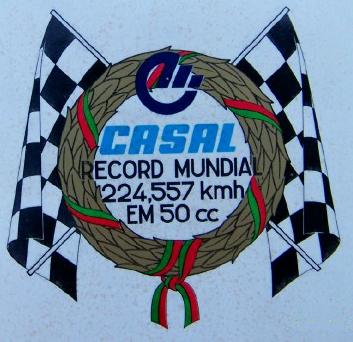
Casal Record Mundo 50ccMetalurgia Casal started in 1953, in Aveiro, Portugal, making mostly agricultural engines. Business leader João Casal met representatives of Zündapp at a trade fair in Hanover in the early 60’s, and then started to build mopeds with Zündapp engines. From 1966-on he made his own engine, the Casal engine, which is a modified copy of the Zündapp, to be built in a many variants. In the 70’s Casal exported their products to UK, US, Netherlands, Denmark, Sweden and others. Car production was also planned, but not realised.

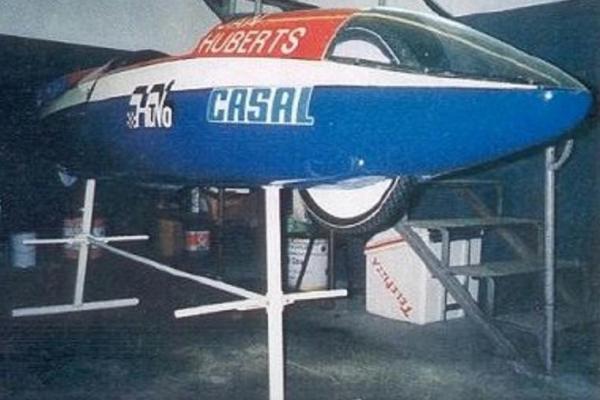
HuVo Casal record bike 50cc went 139mph

HuVo Casal record bike
50cc went 139mph

Casal had always done 50cc racing, with the Dutch company HuVo, but in 1980-81 they did some world record setting with Dutch riders. In 1980 Jan Nijhuys took the standing start 50cc  1/4 mile record with a Casal Sparta Plompen, 15.26 seconds. Then in 1981 Jan Huberts rode the HuVo Casal 50cc streamliner to an astounding 224kmh (139mph). Sadly, as the increased purchasing power in their home country Portugal, their most important market, slowed down the sales of mopeds, bankruptcy was a fact in February 2000. In connection with this, unfortunately, parts of the company’s archives were destroyed. Today it operates as a Suzuki representative in Portugal (adapted from Wikipedia).


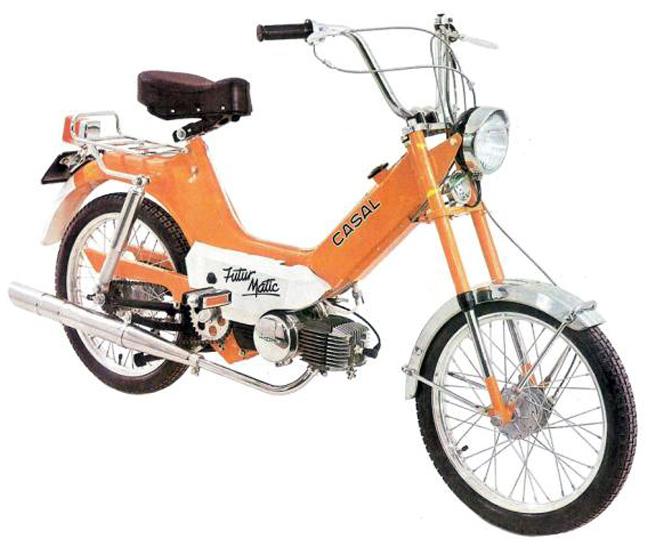
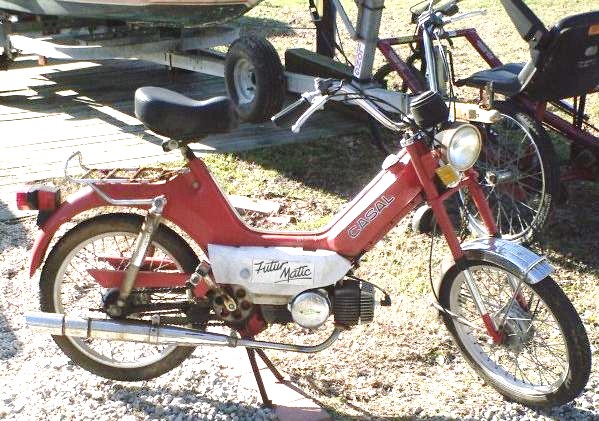
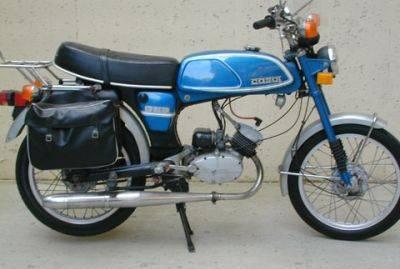
Casal K177 Futurmatic

Casal K177 Futur Matic

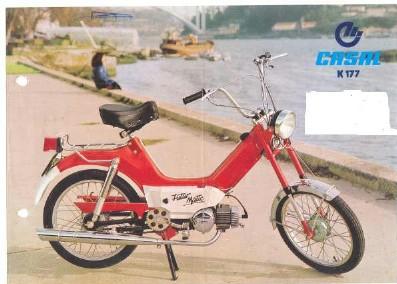
1979 Casal K177

1979 Casal K177

Casal K177 red

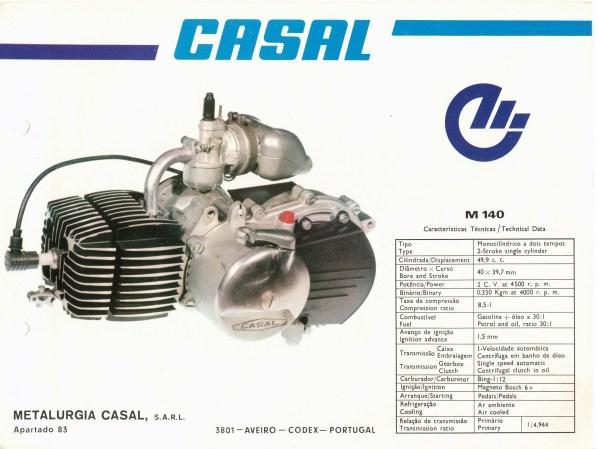
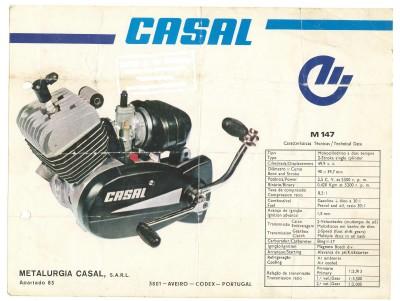
Casal K177, M140 engine

Casal M140 Engine

Casal M140 1-spd auto
Bing Ø12 carb
Bosch 6V magneto


1969 Casal K196 same as Zundapp KS50

1979 Casal K196 (for US)
same as Zundapp KS50
with Casal M148 engine
2-speed manual grip shift

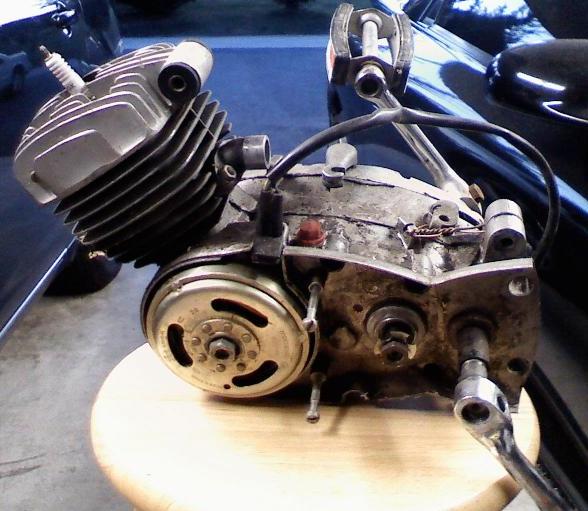
1978 K196 engine left Motoplat magneto

1978 M148 engine left
Motoplat magneto
similar to 70s Derbi

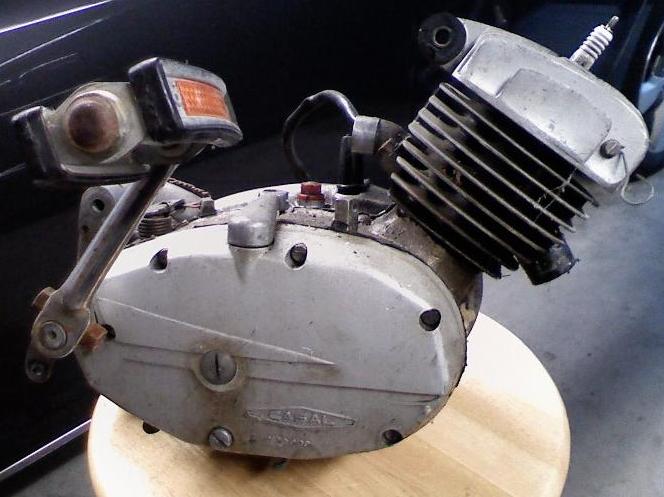
1978 K196 engine right

1978 M148 engine right
gear shift lever on top
clutch adjuster at center
oil check plug at bottom

Casal M147 2-speed

Casal M147 2-spd kick
(like M148 2-spd pedal)
Bing Ø17 carb
Motoplat 6V magneto


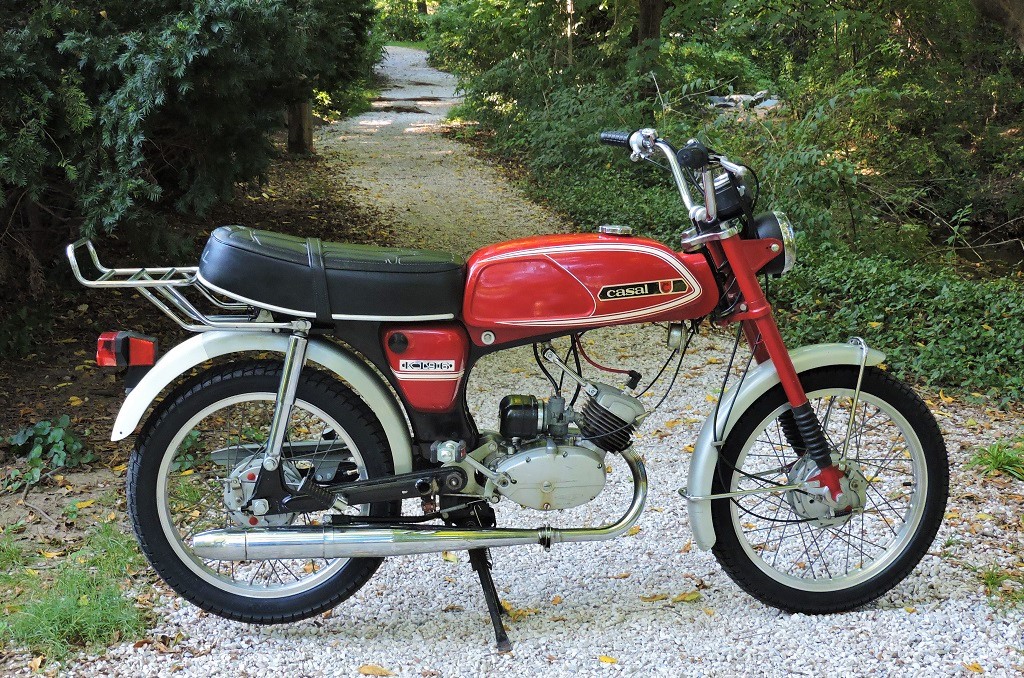
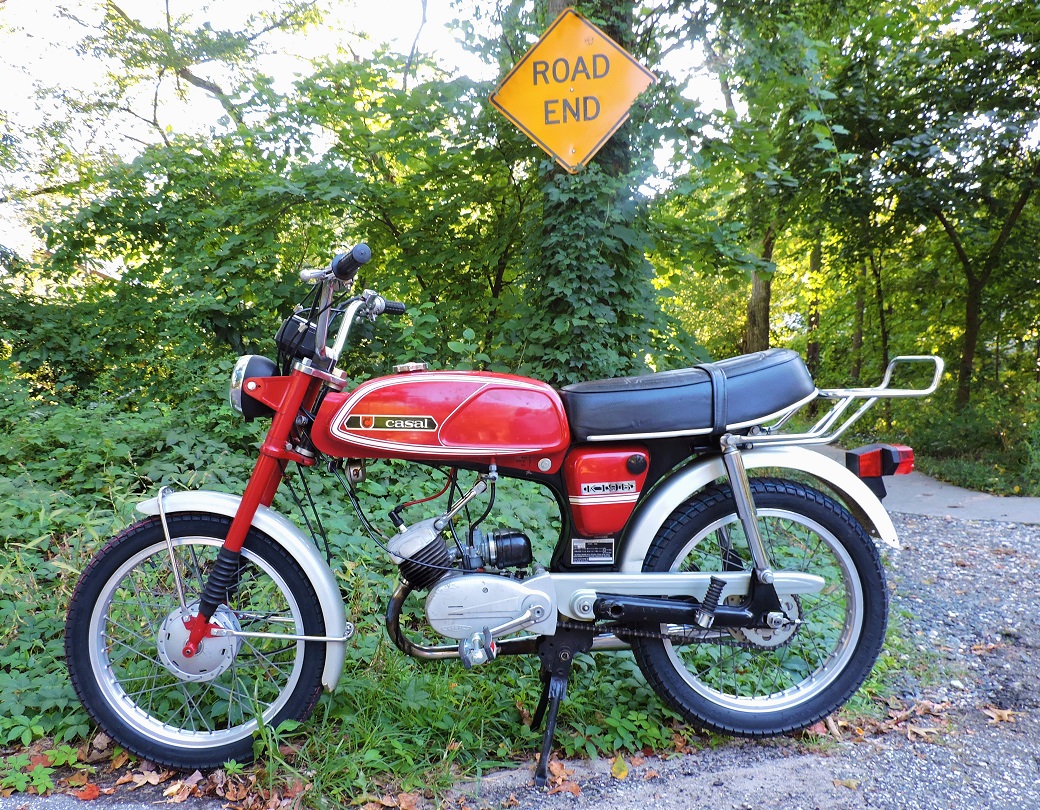
1978 Casal K196 restored by B. Small

1978 Casal K196 restored by B. Small

1978 Casal K196

1978 Casal K196


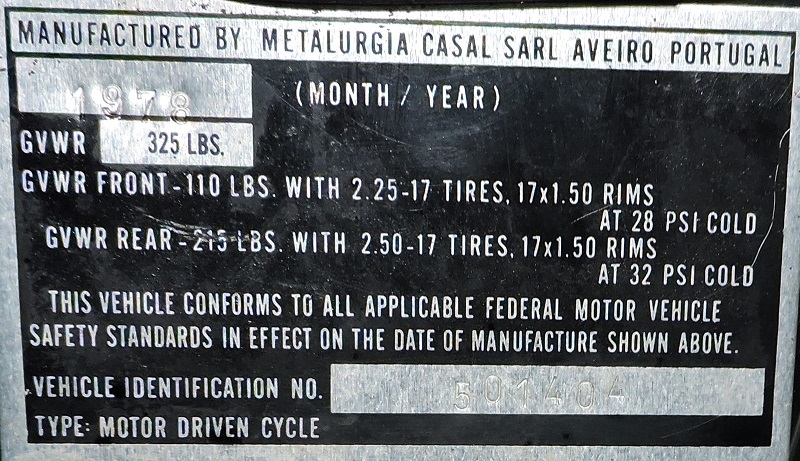
Casal K196 ID plate

Casal K196 ID plate


Links to Casal Manuals and Specs:

Casal Owners Manual

Casal K196 (US) Owners Manual back cover

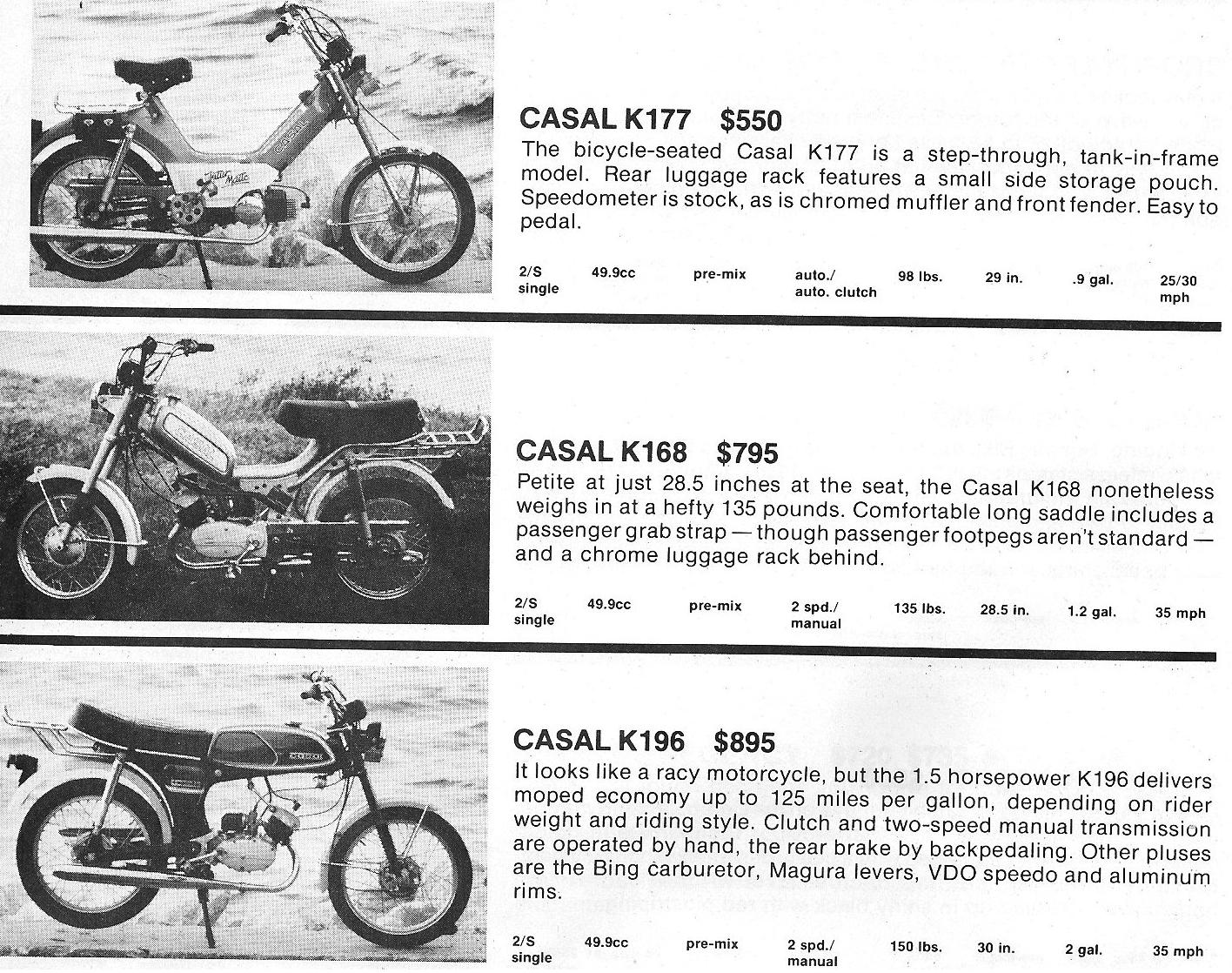
Casal K177 (US) has Engine M140, 1-speed automatic
horizontal cylinder, 40.0×39.7 bore & stroke, 8.5:1 comp ratio
1.0, 1.5, 2.0hp versions, Bing Ø12 carb, Bosch magneto
16 x 2.25 tires, 68mm brake drums, wt. 98lb 
 
Casal K196 (US) has Engine M148, 2-spd grip shift, pedals
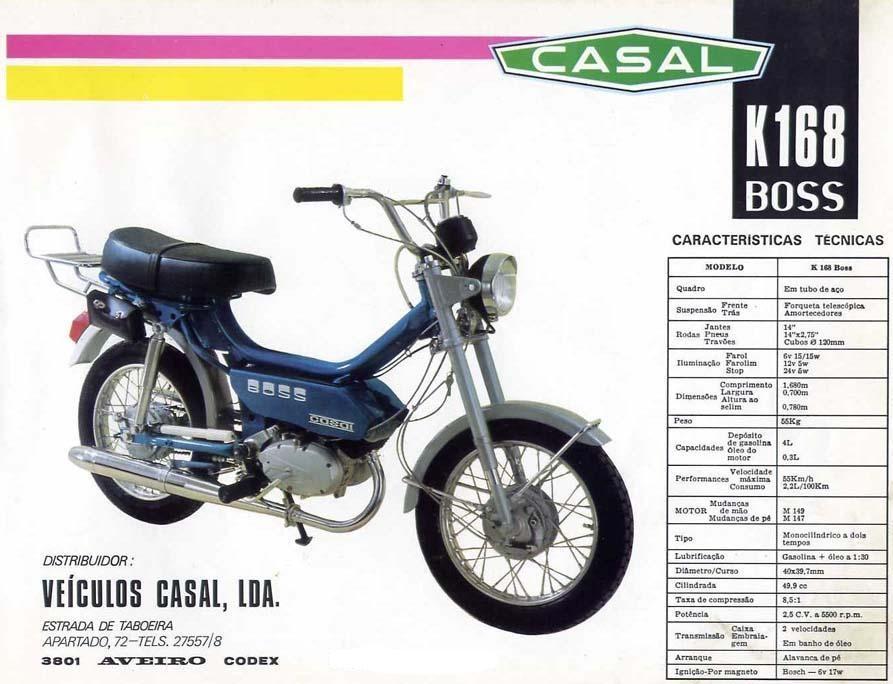
Casal K168 (US) also has M148, almost same as M147 kick, 
vertical cylinder, 40.0×39.7 bore & stroke, 8.5:1 comp ratio
2.5? hp, Bing Ø17 carb, Motoplat magneto 
K196: 17 x 2.75 tires, 120mm brakes, wt. 150lb, alum rims
K168: 14 x 2.75 tires, 120mm brake drums, wt. 135lb
 
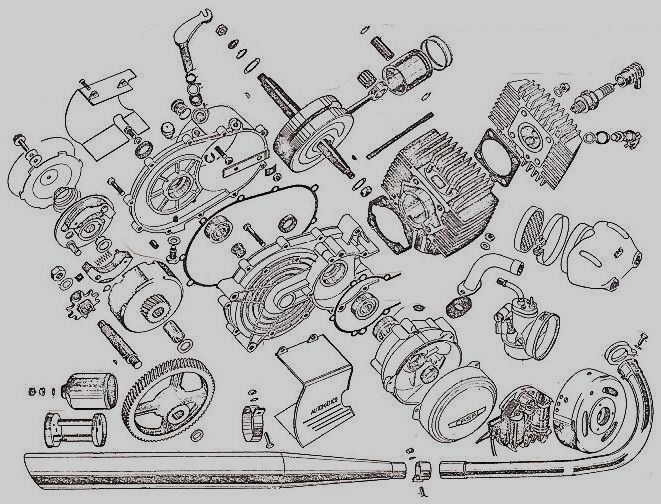
Casal M140 Engine exploded view

Casal M140 1-speed automatic engine, from a Taiwanese Sprinter owners manual, compacted.


Casal components: (K177 model) Bing 12mm carburetor (bell type), Bosch 80mm magneto, Magura controls/levers, VDO speedometer, Merit switches?, ULO tail light, 68mm brake drums. This is a light duty model. Casal uses the same components as a German moped. Read why, in Casal’s introduction and history, above.

Casal components: (K168 and K196) Bing 17mm carburetor (bell type), Motoplat magneto, Magura controls/levers, VDO speedometer, Merit switches, 120mm brake drums. These are heavy duty models.

Casal Cylinders and Pistons: Casal pistons and cylinders are made in Germany by Mahle. Piston info is found in pistons and rings The “tall crown” Casal piston has the highest pin-to-top distance (23mm) of any of Myron’s 50cc moped pistons (Minnarelli and Sachs are next highest at 22mm). 

Casal Non-USA Models:

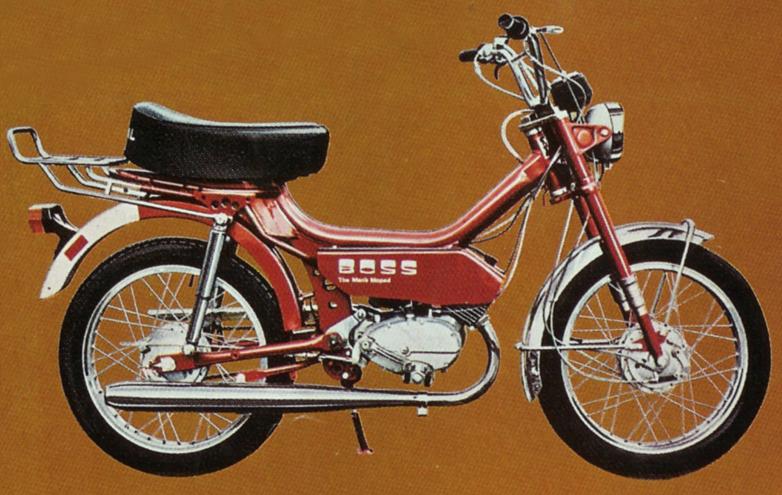
Casal K166 Boss (for UK) says "The Mens Model"

Casal K166 Boss (for UK)
says “The Mens Model”

Casal K168 Boss

Casal K168 Boss

1992 Casal K168 engine

1992 Casal K168 engine


Casal SS4 (UK model)

Casal SS4 (UK model)
4-spd “Sixteener Special”

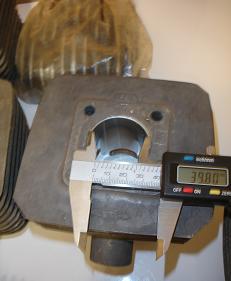
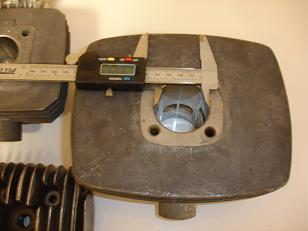
Casal Ø40mm Cylinder

Casal Ø40 Cylinder


These cylinders are for other Casal models not covered here. They will be available for purchase from mopedland (link below) sometime soon.


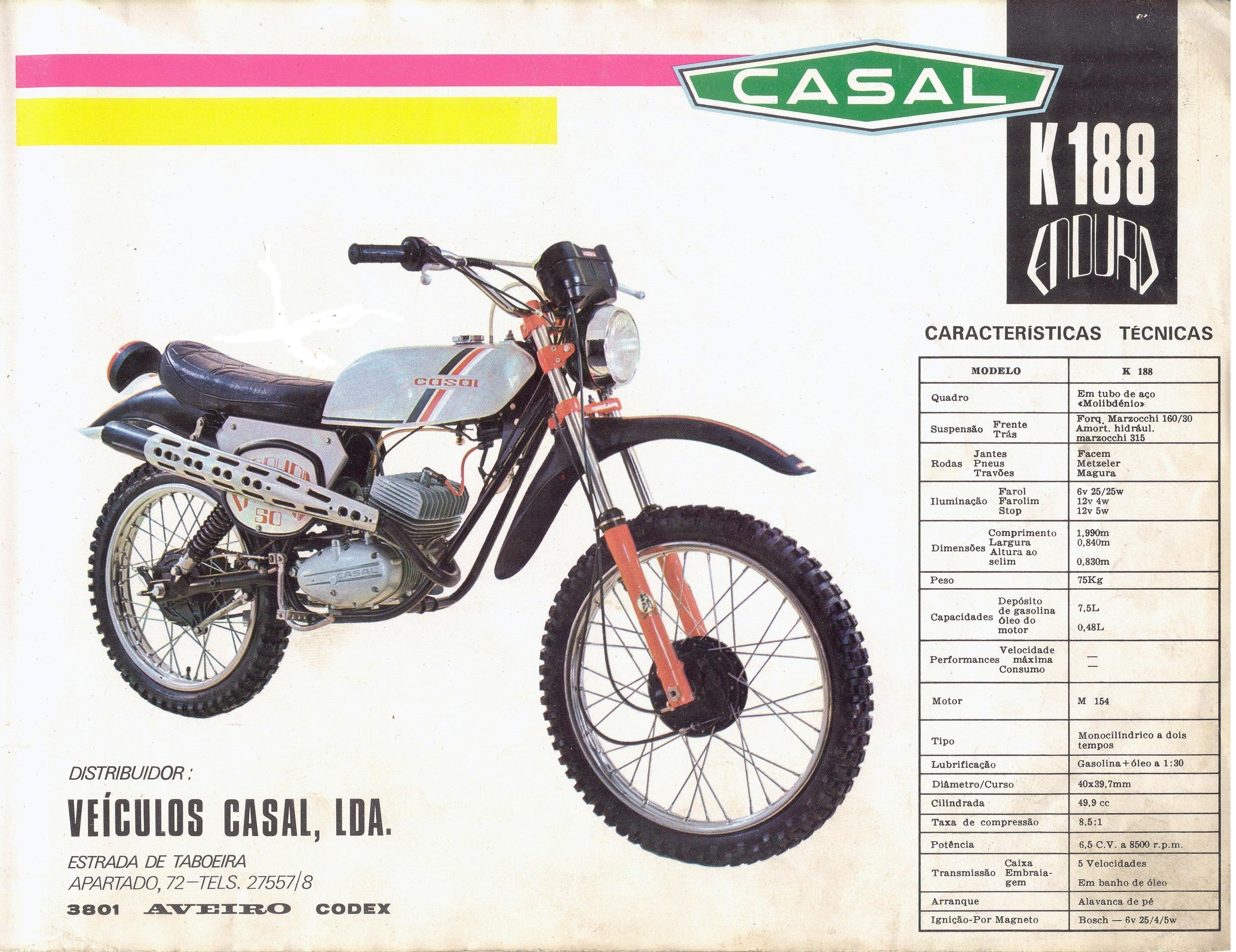
Casal K188 Enduro

Casal K188 Enduro

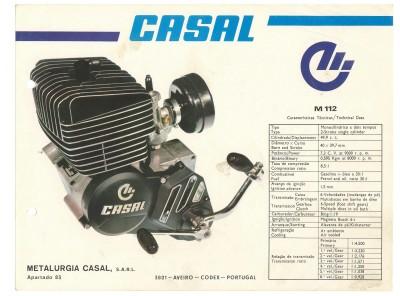
Casal M112 engine

Casal M112 engine

Casal 48mm cylinder

Casal Ø48 Cylinder
has the same 48mm
bolt spacing as the Ø40


Note that Casal engines are Zundapp copies or compatibles.


For Casal models try this: http://motasclassicas.wordpress.com/casal/

For Casal official photos: http://www.motorizadas50.com/pagina%20oculta%20casal%20anuncios.htm

For a complete database on all Portugese mopeds and motorcycles:

www.motosdeportugal.com


Cosmo

July 13, 2012

Cosmo

         Cosmo     made in Italy (’77-82) or India (’99-02)      various engines

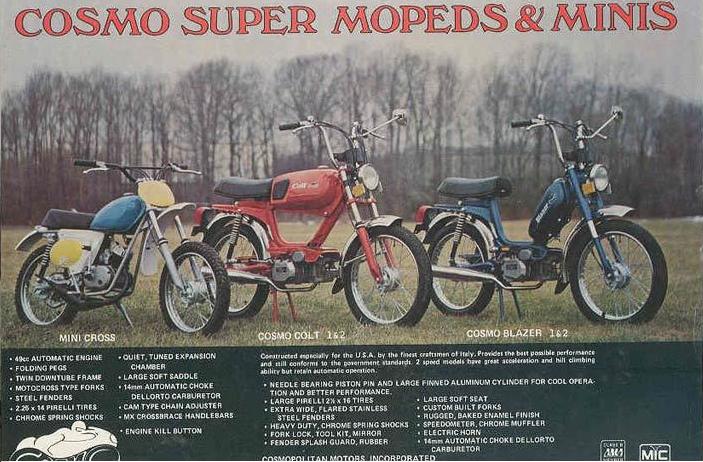
Cosmo is the trade name of Cosmopolitan Motors, formerly in Hatboro Pennsylvania USA. In the 1950’s they were the US importer of Jawa CZ. In the 1960’s, 70’s, and 80’s they were the US importer of Parilla, Capriolo, MV Agusta, Bimota, Benelli, Bianchi, Montesa, Garelli, and Beta motorcycles. In the 1990’s they were the US importer of Kinetic mopeds, made in India. Some of their current products are electric bicycles. Visit their website at http://www.cosmotor.com/Cosmo also distributed Italian motorcycle parts and accessories, Pirelli, Tommaselli, AGV, Sidi, Grimeca, Domino, Regina, Dellorto, Marzocchi, Costa, Baruffaldi, etc. and their own line of mopeds and mini-cycles.

Here is shown and explained the complex family of Cosmo branded mopeds, US models, with different makes, models and year ranges:

Piccoli Motori small

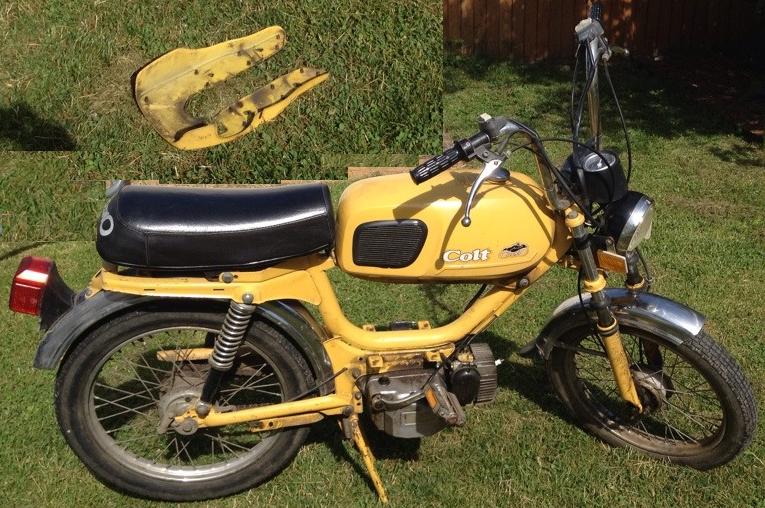
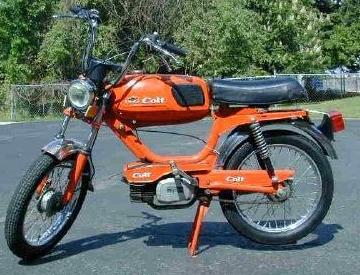
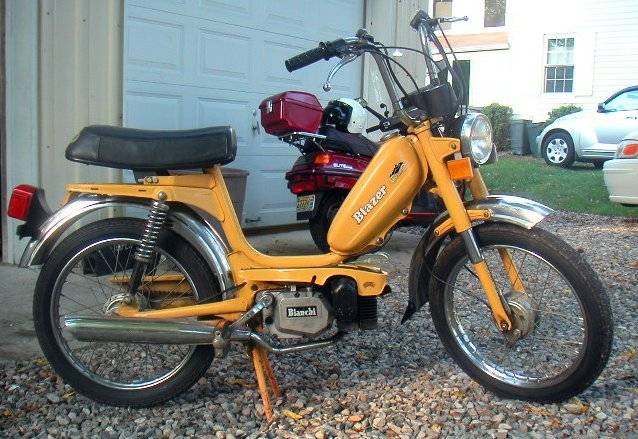
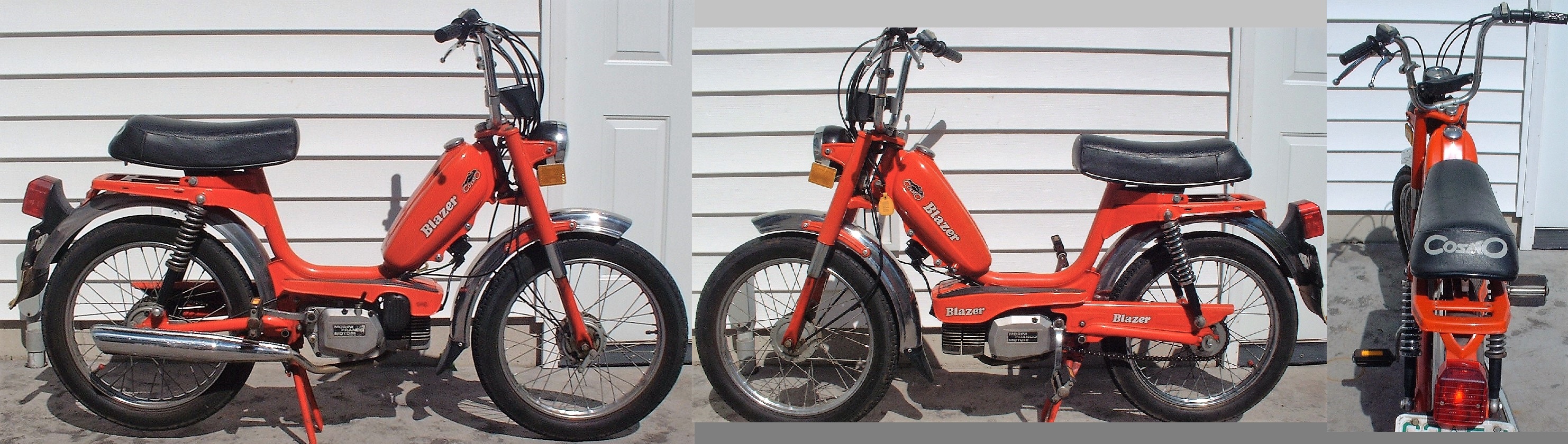
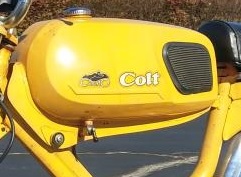
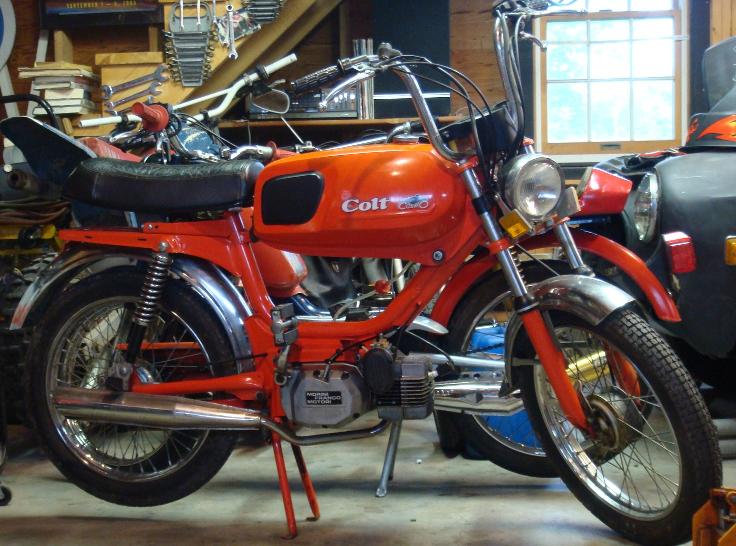
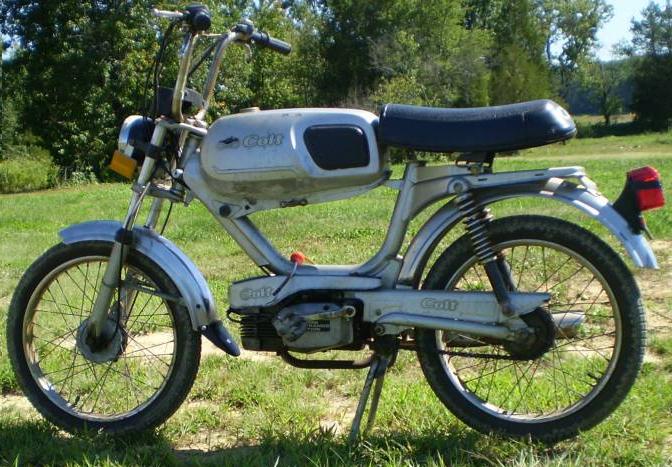
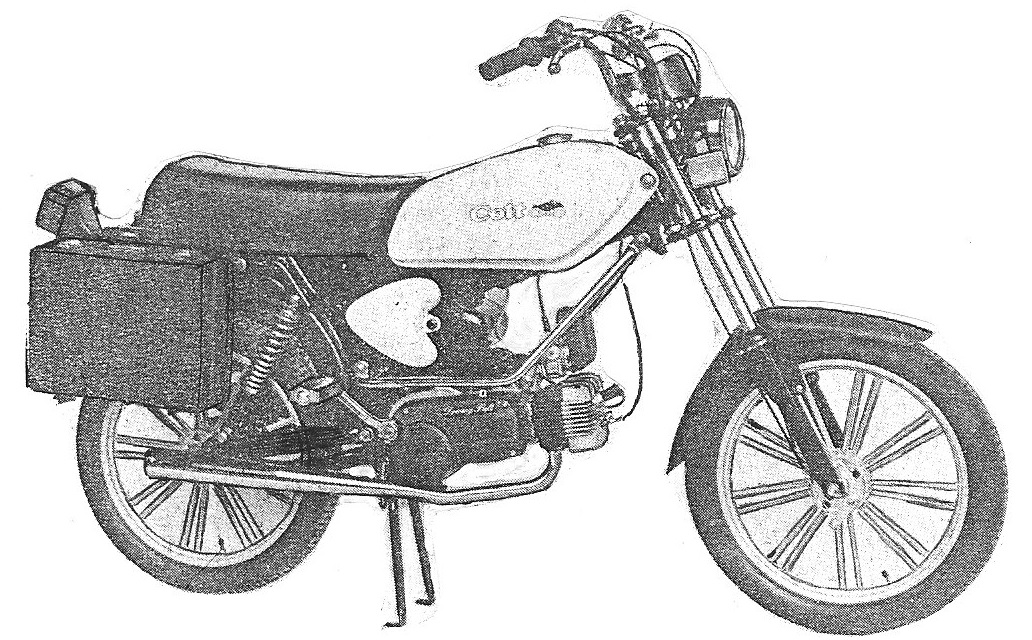
1977-1980 Cosmo Colt, Colt 2Blazer, Blazer 2

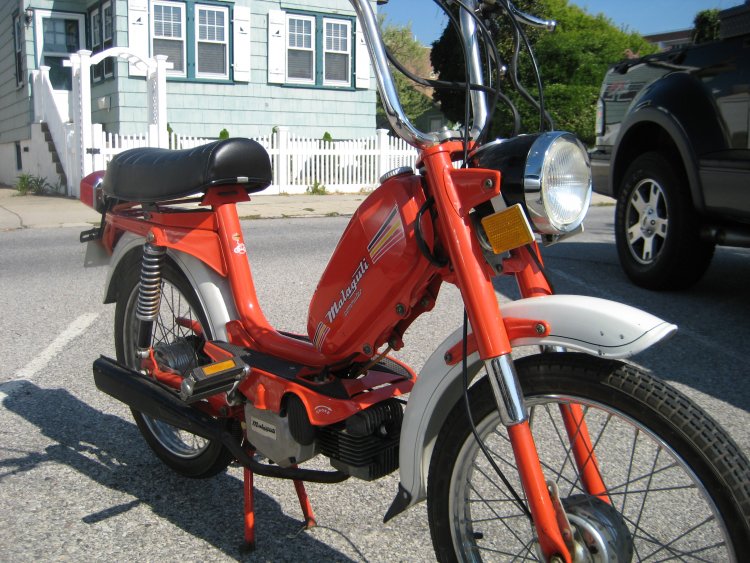
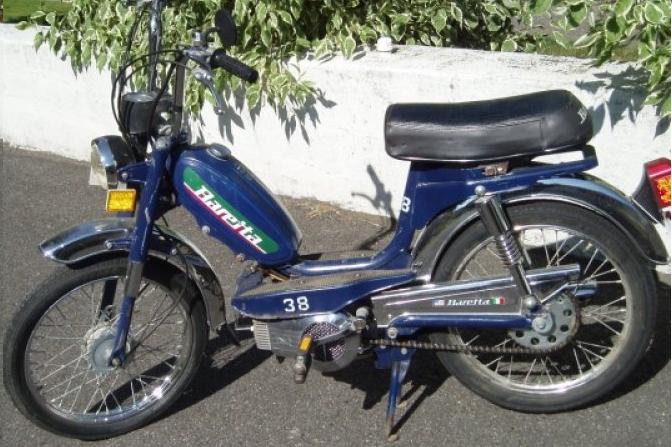
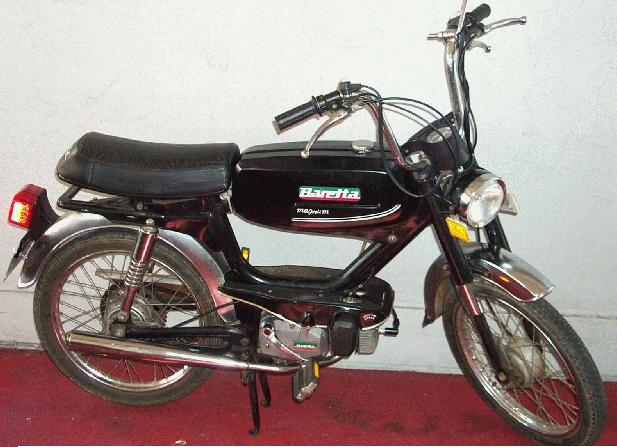
These were top-tank (Colt) and step-thru (Blazer) mopeds with Morini MO-1 or MO-2 enginesThe Cosmo Colt 1 chassis is the same as a Baretta Magnum. The Cosmo Blazer is the same as a Malaguti Commuter. The chassis is the same as a Baretta 38. They are all made by Piccoli Motori in Bologna, Italy. See below.

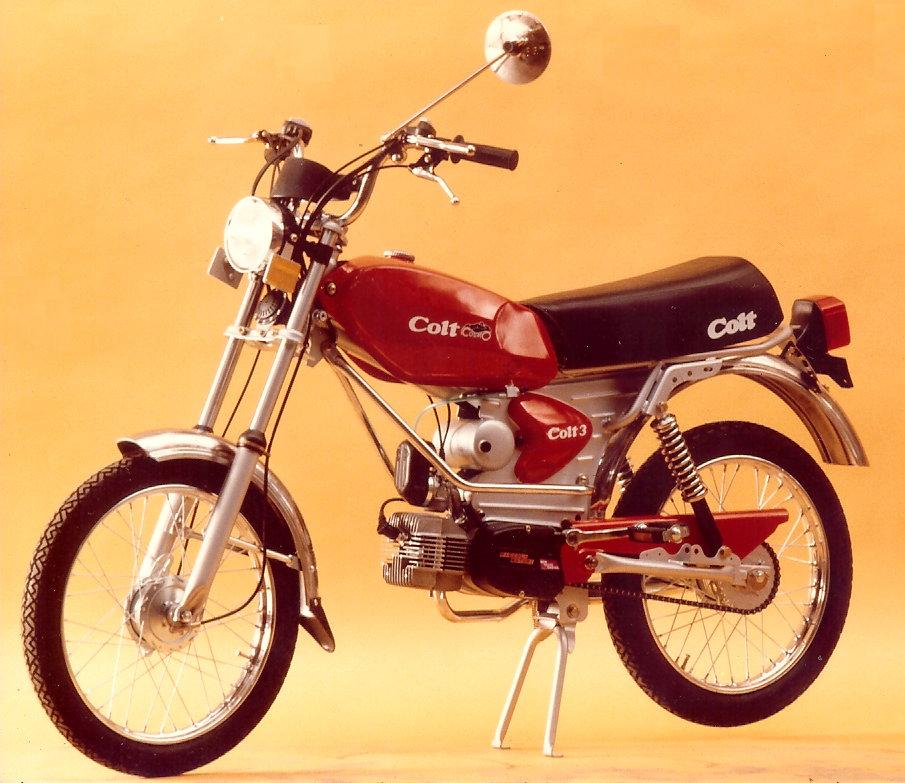
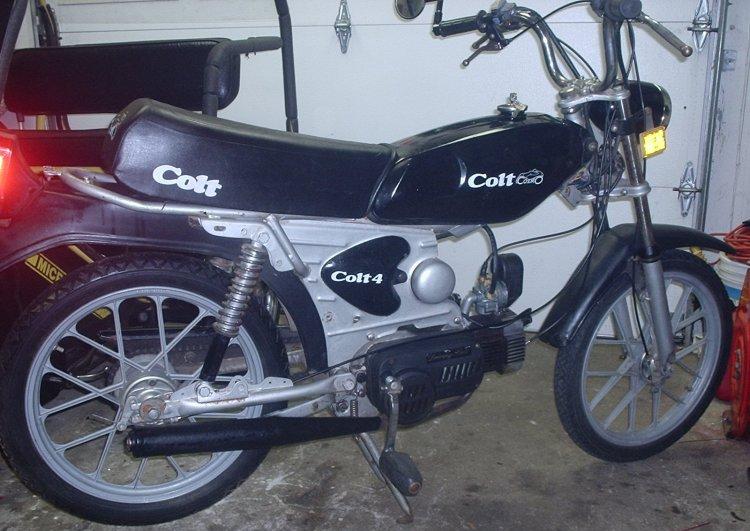
1981-1982 Cosmo Colt 3, Colt 3A, Colt 4, Colt 4B

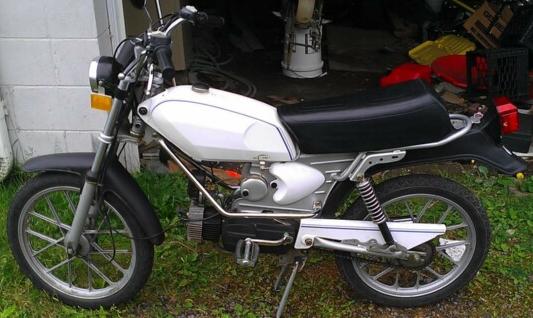
These were top-tank tube-frame mopeds with Morini M-1 or M-101 engines. The 1980 Cosmo Colt 3 is the same as a 1978 Malaguti Pilot. They are both made by Malaguti in San Lazzaro di Savena, Italy. See below.

Piccoli Motori small

1981-1982 Cosmo Colt 5

This was a top-tank moped with Sachs 505 oil injected engineThe Cosmo Colt 5 chassis is the same as a Baretta Magnum. They are both made by Piccoli Motori in Bologna, Italy. See below.

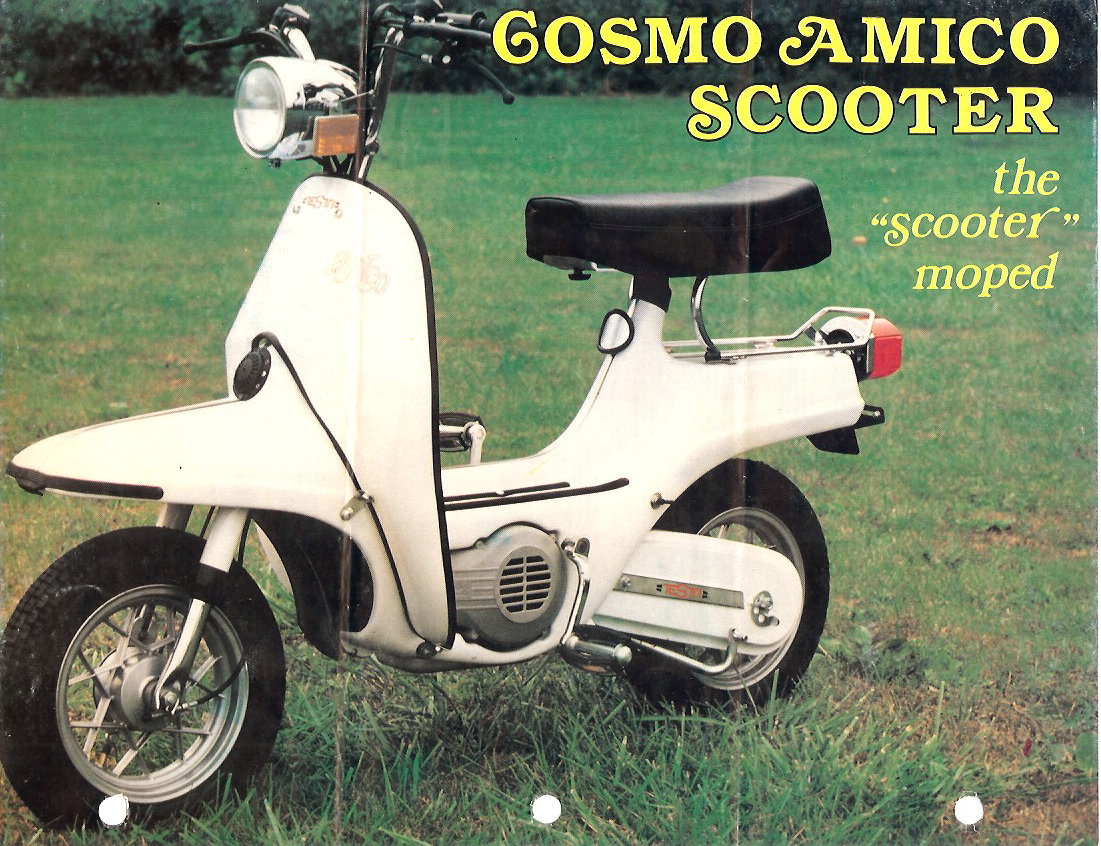
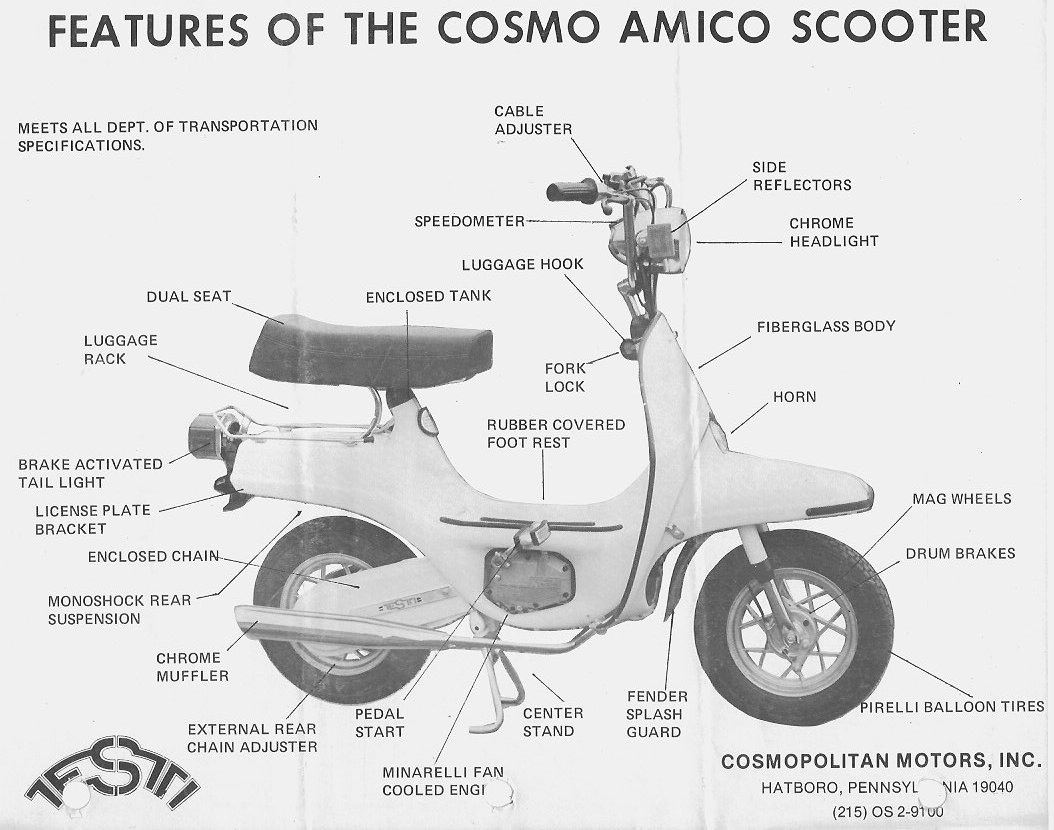
1980-1983? Cosmo Amico Scooter

This was a scooter-like pedal moped, with a Minarelli V1 engineIt had small tires and a fully enclosed body like a scooter. It is the same as 1970’s Testi Amigo (Euro model) except for lights. See below.

1999-2002 Cosmo Stinger

This was a top tank pedal moped, with a Garelli remake engine, made in India by Monto Motors. The Cosmo Stinger is the same as an Avanti Supersport, both with a Garelli 2-speed remake engine, 35mph. See Avanti.


1977-79 Cosmo Mopeds

1977-78 Cosmo Mopeds and Mini Cycles


Cosmo 1977-78 Mopeds & Cycles

Brandxx Model  xx   Engine  x Maker
Cosmo Colt    xx x Morini MO-1   Piccoli
Cosmo Colt 2 xx x Morini MO-2   Piccoli
Cosmo Blazer 1x   Morini MO-1   Piccoli
Cosmo Blazer 2xx Morini MO-2   Piccoli
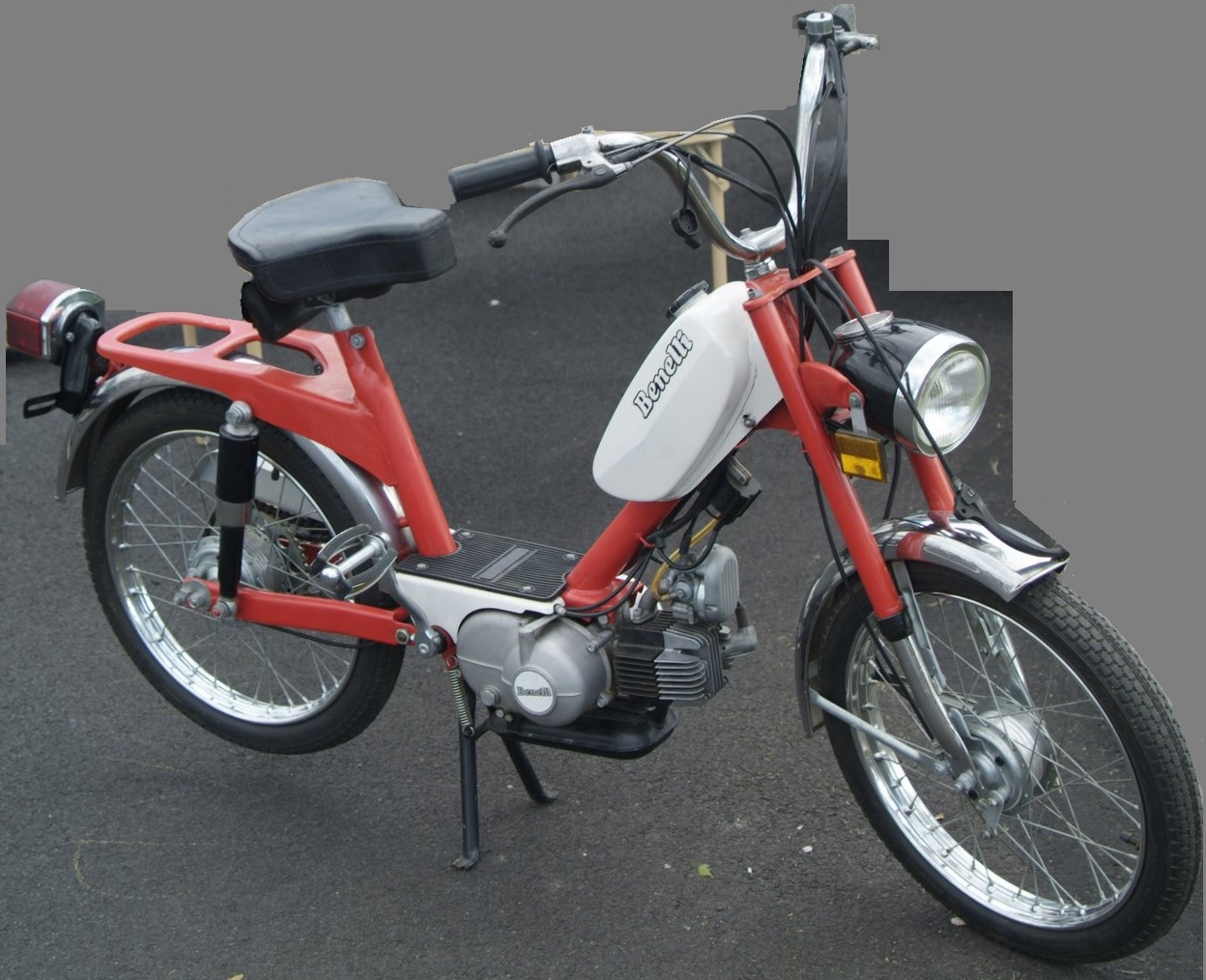
Benelli Blazerxx x Benelli G2 xx  Motobi
Benelli G2xxxxx x Benelli G2 xx  SEIMM
Cosmo Mini cross Morini S5K2   Piccoli?

Colt was top tank frame, Blazer was step-thru.


1978 Cosmo Colt 2
Morini MO-2 engine

1977 Benelli Blazer
Benelli G2 engine

1978 Cosmo Colt 1
Morini MO-1 engine

1978 Cosmo Blazer
Morini MO-1 engine


1978 Cosmo Blazer, made by Piccoli, Morini MO-1 engine 
provided by Marty Kupferschmidt of Montello, Wisconsin

79 Malaguti Commuter
Morini MO-1 engine

1978 Baretta 38
Minarelli V1 engine


1978-79 Cosmo Colt

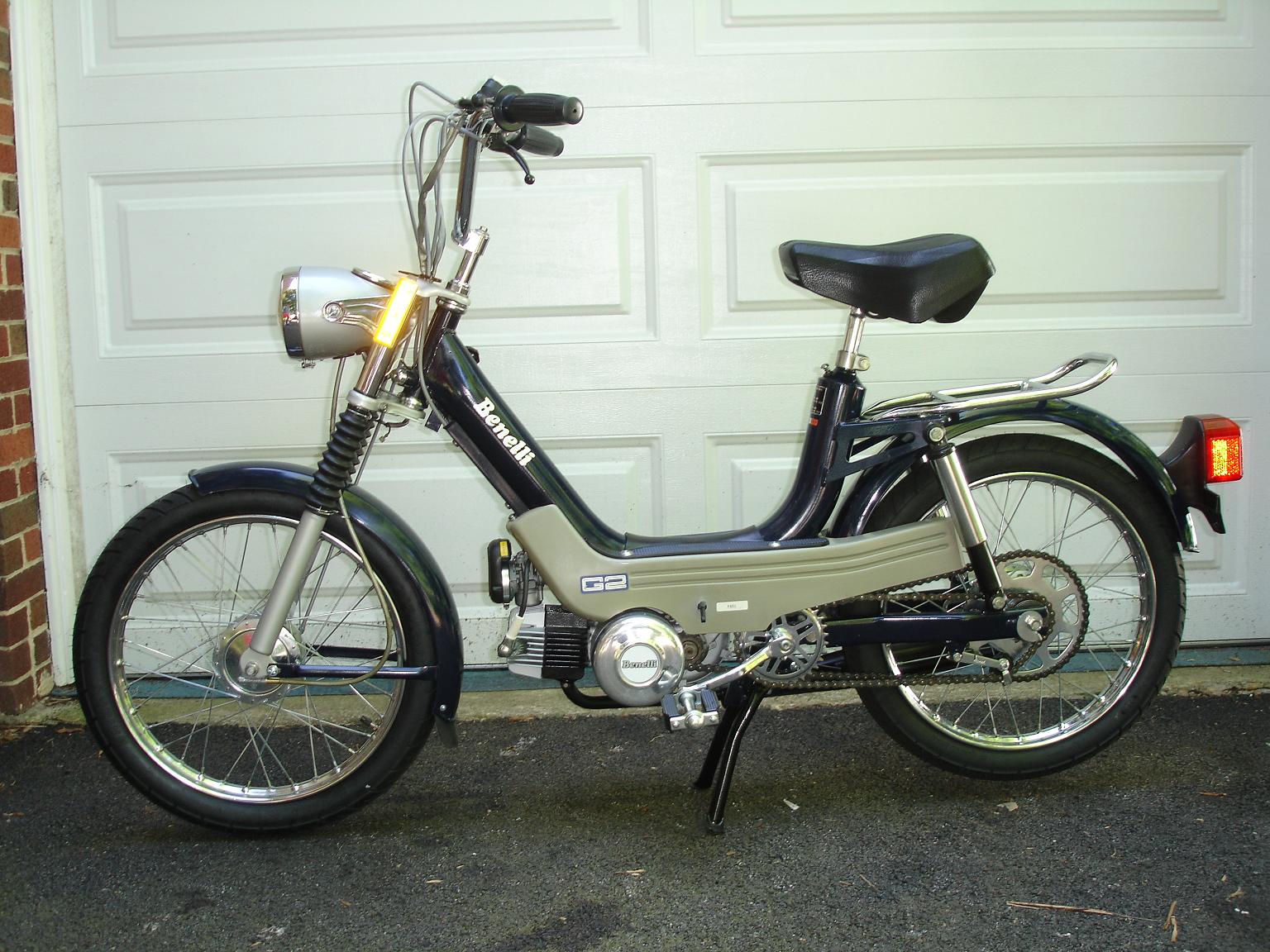
1979 Benelli G2
restored by B. Small

Cosmo 1979-80 Mopeds & Cycles

Brandxx Model  xx   Engine  x Maker
Cosmo Colt 1  xx x Morini MO-1   Piccoli
Cosmo Colt 2 xx x Morini MO-2   Piccoli
Cosmo Colt 3 xx x Morini M1 xx Malaguti
Cosmo Blazer 1x   Morini MO-1   Piccoli
Cosmo Blazer 2xx Morini MO-2   Piccoli
Benelli Blazerxx x Benelli G2 xx  Motobi
Benelli G2xxxxx x Benelli G2 xx  SEIMM
Cosmo Mini cross Morini S5K2   Piccoli?


1979 Colt 2 Morini MO-2 engine

1979 Cosmo Colt 1
Morini MO-2 engine

1979 Baretta Magnum
Minarelli V1 engine

1980 Colt 1 Morini MO-1 engine

1980 Cosmo Colt 1
Morini MO-2 engine

1980 Cosmo Colt 3 Morini M1 engine

1980 Cosmo Colt 3
Morini M1 engine


Cosmo 1981-82 Mopeds & Cycles

Brand   Model  xxx   Engine     Price   Wt     Colors
Cosmo Colt 1 xxxxx Morini MO-1 $629    95  black,red,silver,blue
Cosmo Colt 3  xx Morini M1 reed $750    95  black,red,white,blue
Cosmo Colt 3A xxx Morini M101  $799  100  black,red,white,blue
Cosmo Colt 4xxxx Morini M101  $849  100  black,red,white,blue
Cosmo Colt 4Bxxx Morini M101  $925  105  same w/side boxes
Cosmo Colt 5xxxxx Sachs oil inj $699  100  black,red,white,blue
Cosmo G2xxxxxxxxx Benelli G2  $619    95  blue, orange, white
Cosmo C2xxxxxxxxx Benelli G2  $649    95  same but long seat
Cosmo Amicoxxxxx Minarelli V1 $799  120  off white
Cosmo Mini cross Morini S5K2? $579    90  red and white
Benelli 250/4xxxxx xxxxxxxx   $3495  350  red
Benelli 500/4  xxxxx xxxxxxx   $2995  500  red, silver
Benelli 750/6  xxxxx xxxxxxx   $3995  550  red, silver, green


1981 Colt 3 Morini M1 engine

1981 Cosmo Colt 3
Morini M1 engine

1981-82 Cosmo Colt 4B
Morini M101 engine

1982 Colt 4 Morini M101 variator

1982 Cosmo Colt 4
Morini M101 engine


Veglia smallCosmo Blazer components: CEV lights, switches, Domino controls, Grimeca wheels, 90mm brakes, Dellorto SHA 14/12 or 14/9 carburetor, CEV or Veglia speedometer with LH driver.


OSL smallVeglia smallCosmo Colt components: CEV lights, switches, Domino controls (Colt 1 and 5) or OSL controls (Colt 3 and 4), Grimeca wheels, 90mm brakes, Dellorto SHA 14/12 or 14/9 carburetor, CEV or Veglia speedometer with LH driver.


Cosmo Amico Scooter

Cosmo Amico Scooter

 Cosmo Amico   made in Italy by Testi        Minarelli V1

Info Cosmo Amico Scooter

Info Cosmo Amico Scooter

In Europe the Testi Amico was made and sold from about 1970 to 1980. But US-model versions were made in about 1979-1980, and sold in the early 1980’s. They were imported and distributed by Cosmopolitan Motors in Pennsylvania.


PV controlsCosmo Amico components:  Minarelli V1 engine, PV levers/controls. CEV lights, round chrome switches. CEV speedometer with LH driver (small tire ratio?). Grimeca 10″ Razze Incrociate style mag wheels, Grimeca 90mm brakes, and 11mm axle parts. Dellorto SHA 14/12 carburetor parts. CEV 6932 magneto, CEV ignition parts, all single ended (universal) cables.

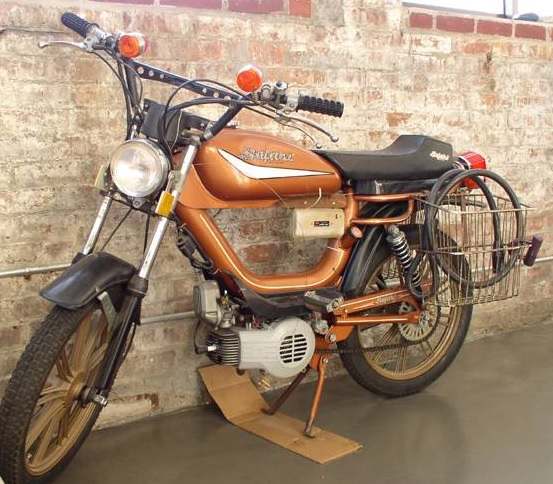
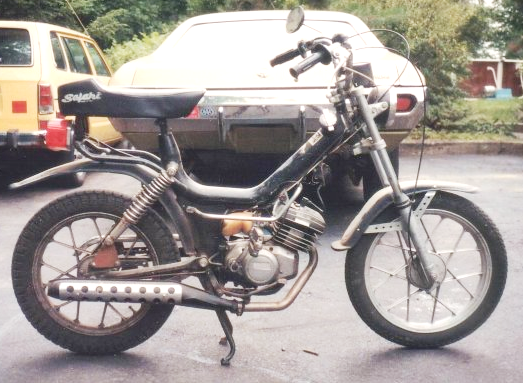
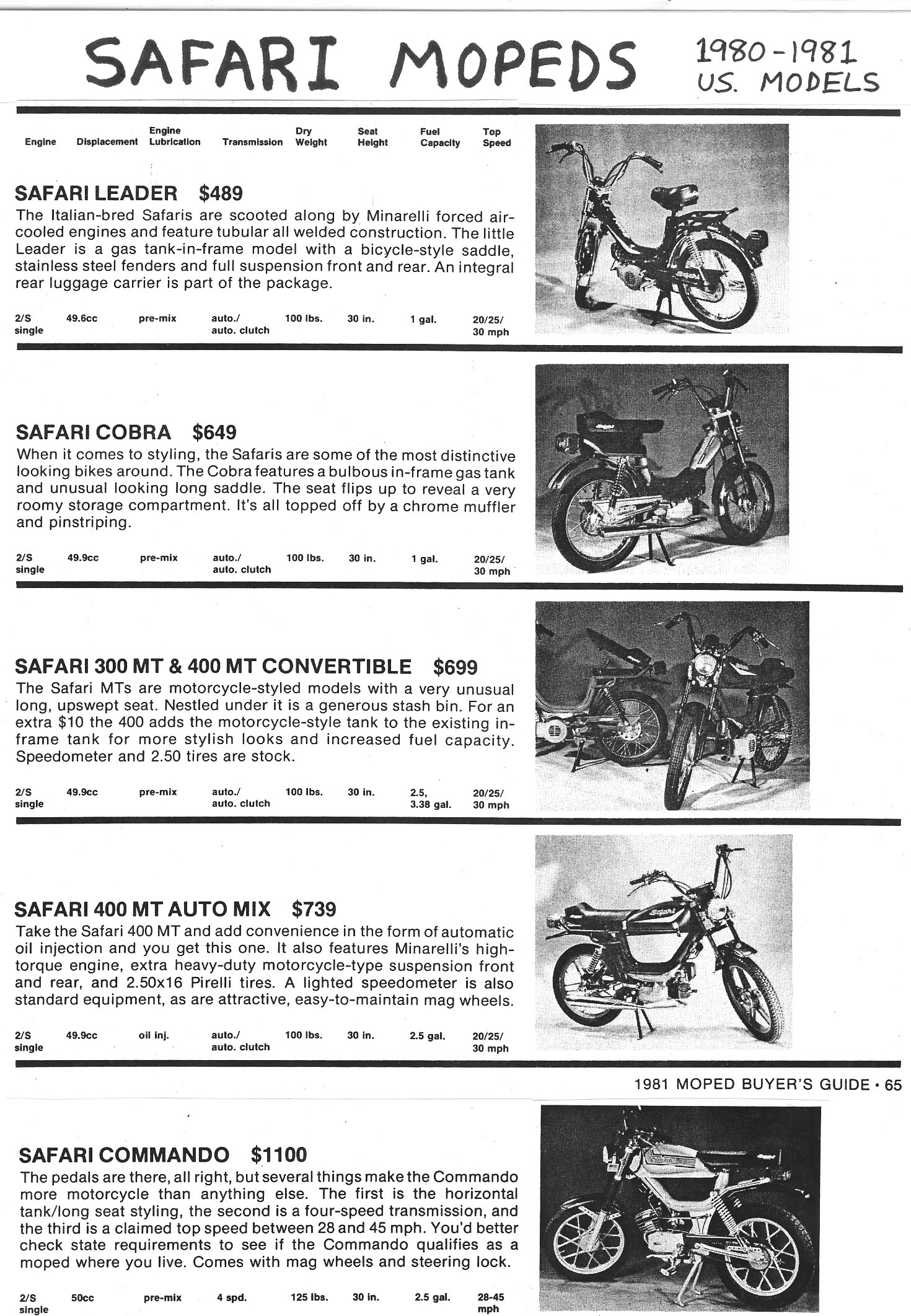
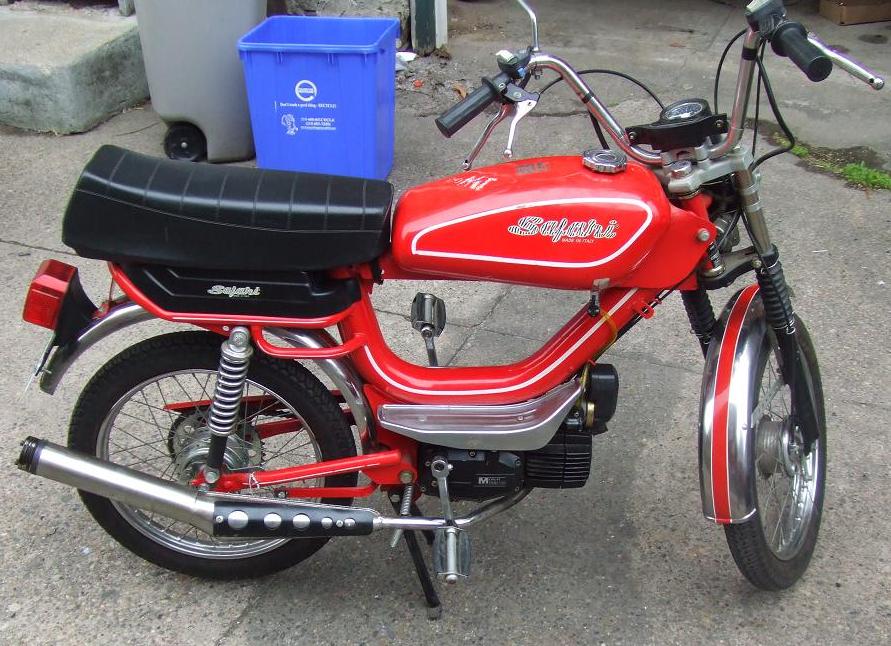
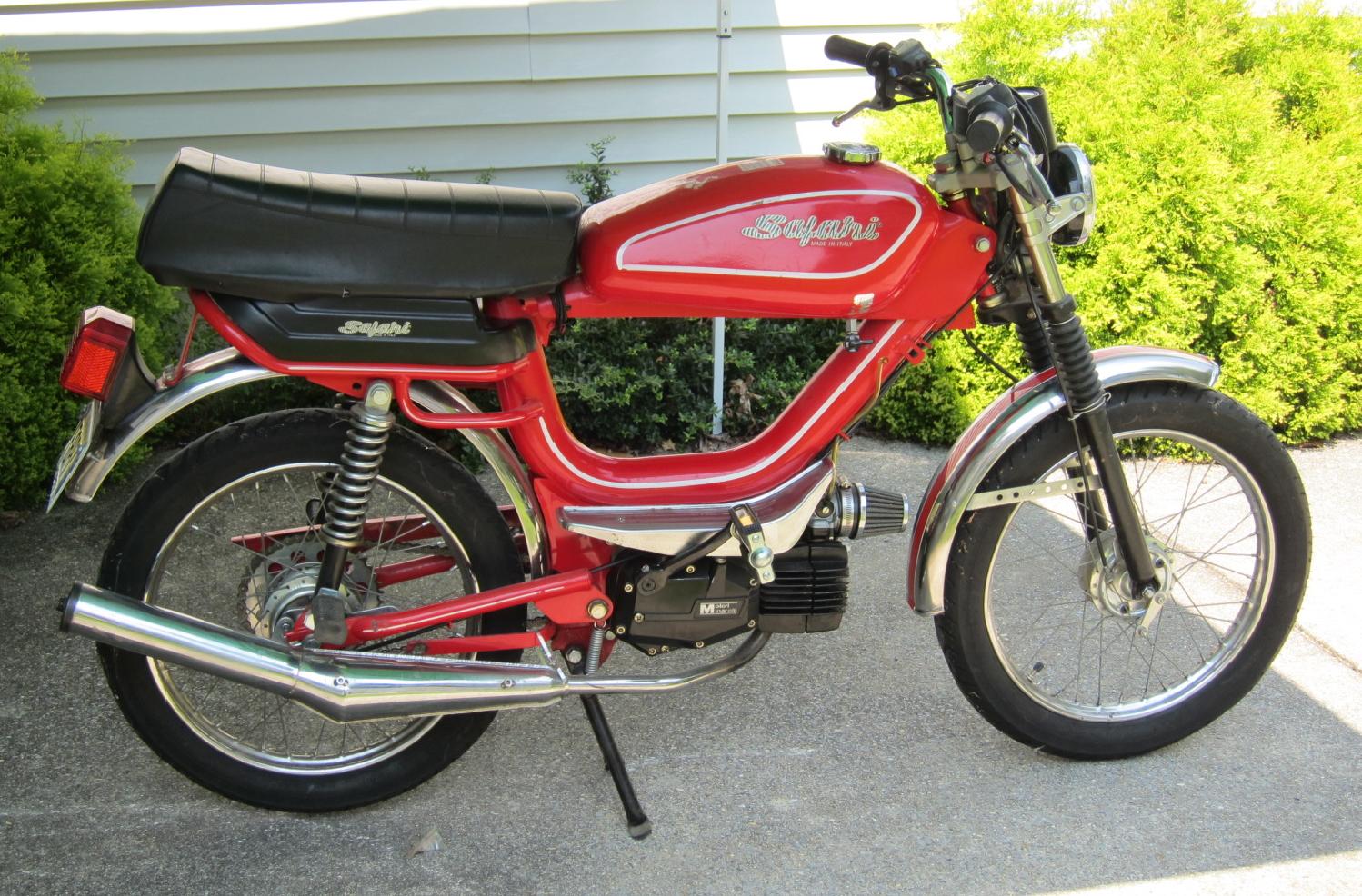
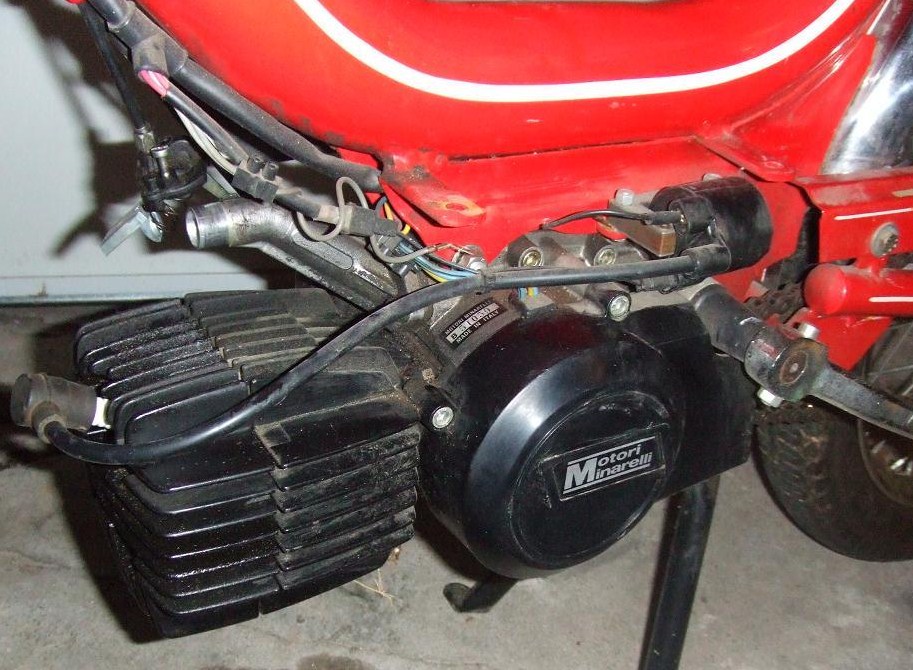
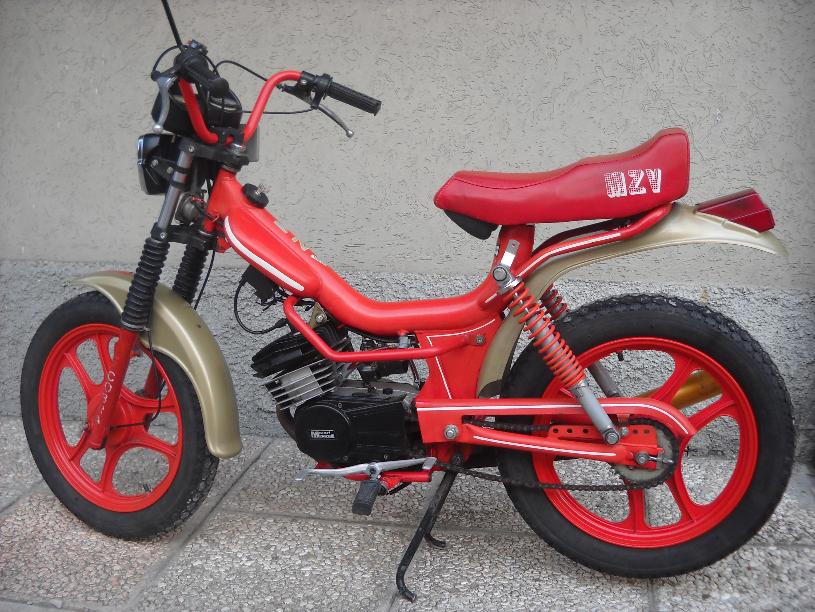
Safari

July 13, 2012

Safari big

MZV made in Italy by MZV
Minarelli V1, V1H, V1L, C2, P4 engine

1975 Safari Fox Fox   made in Italy by Rovet  
Zanetti front engine, friction-drive


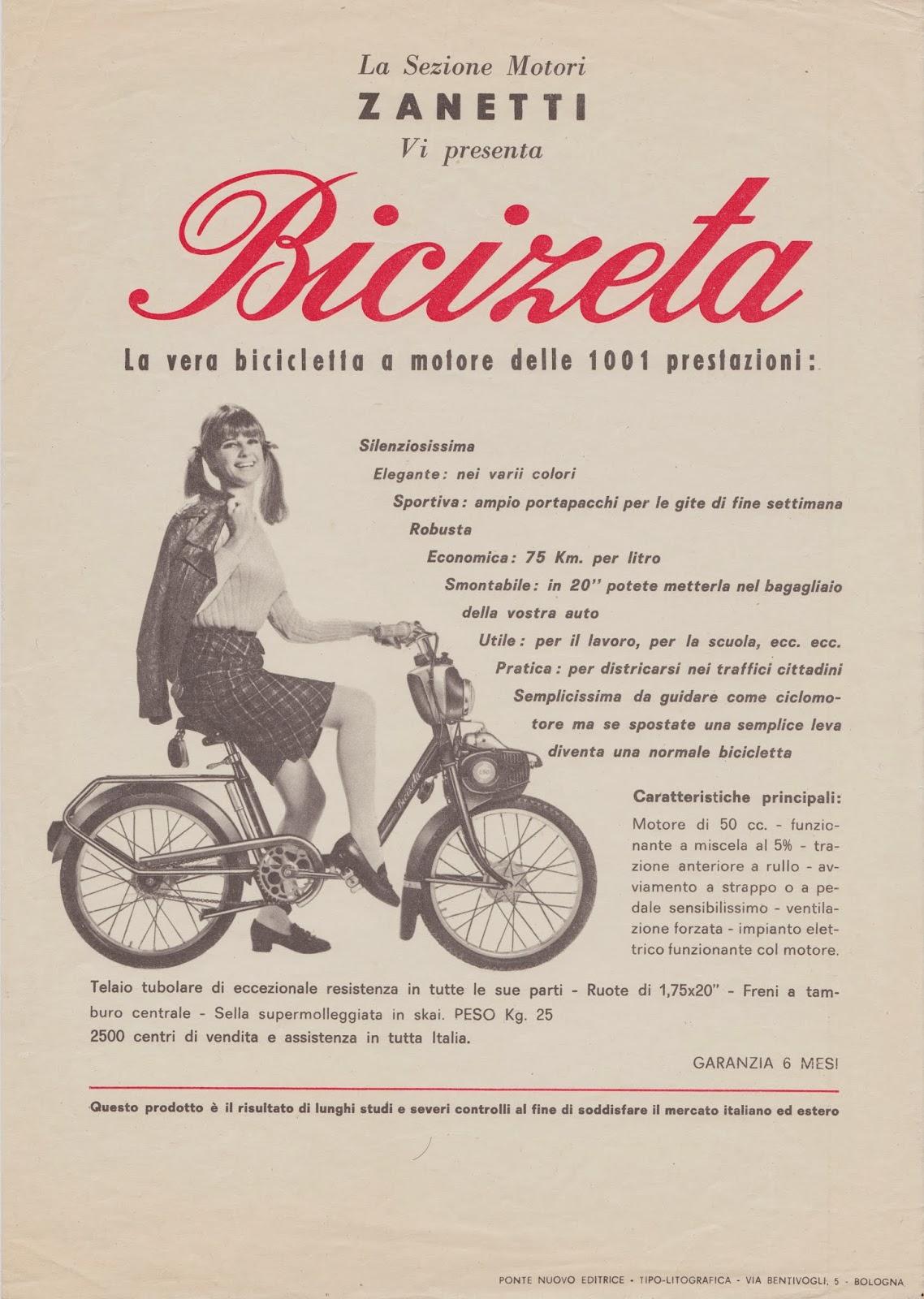
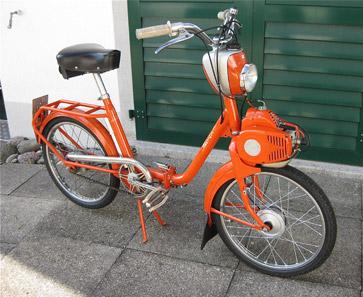
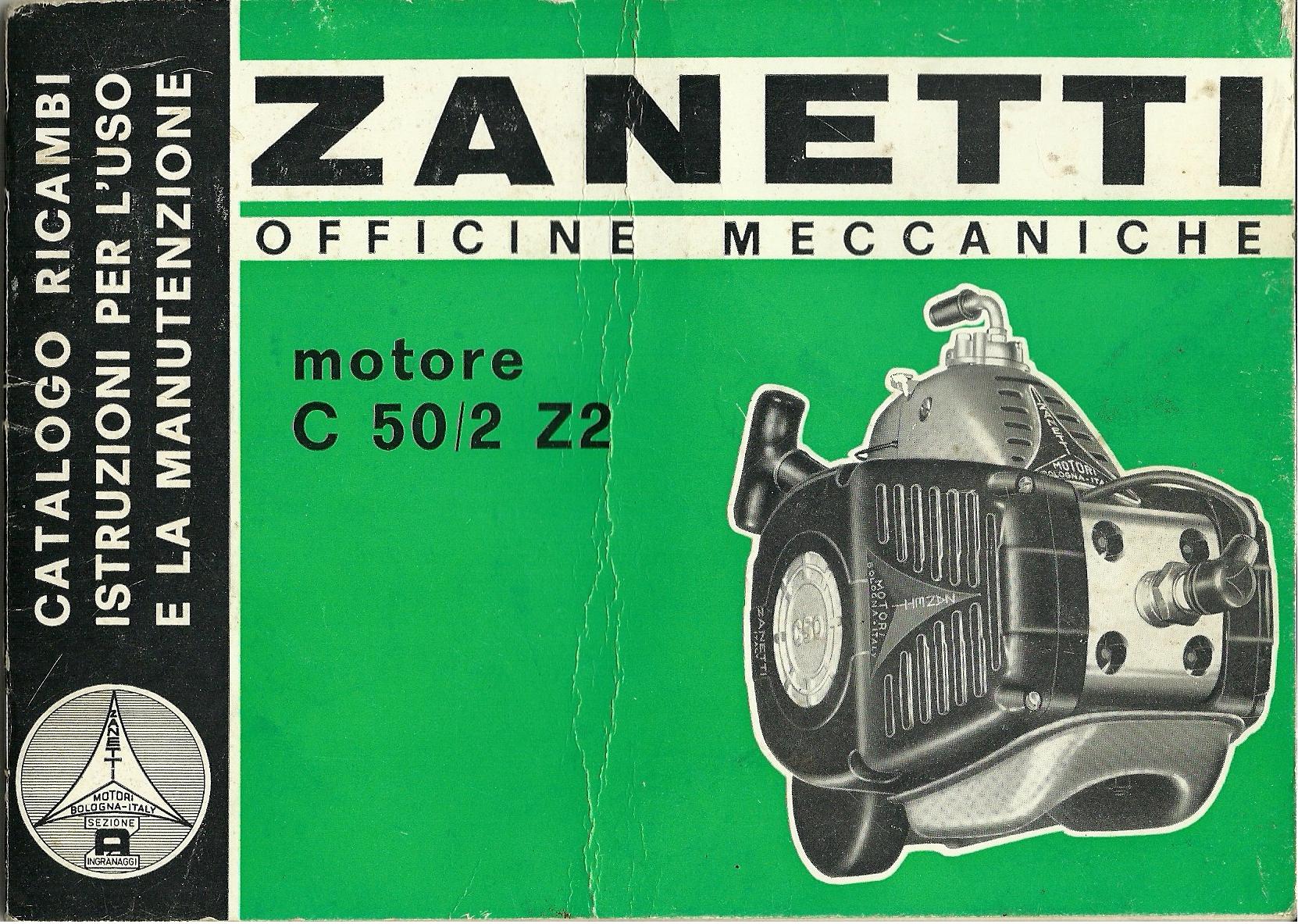
Zanetti Bicizeta 1970 Zanetti Bicizeta Zanetti C50 motor MBI
1. 2. 1970 Zanetti Bicizeta, 3. 1960’s Zanetti motor, 4. MBI

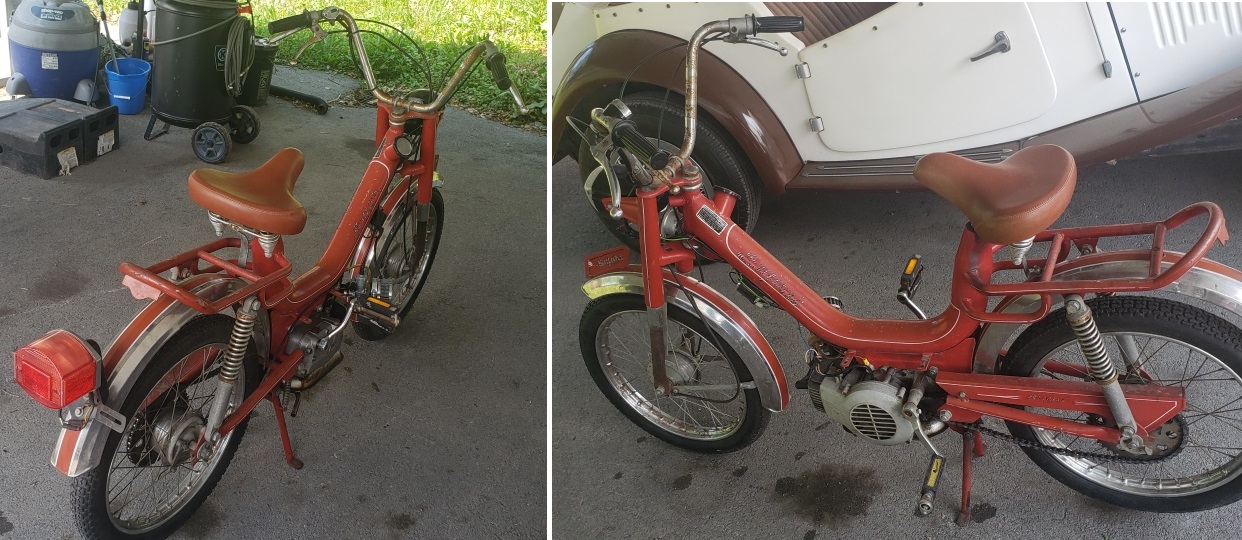
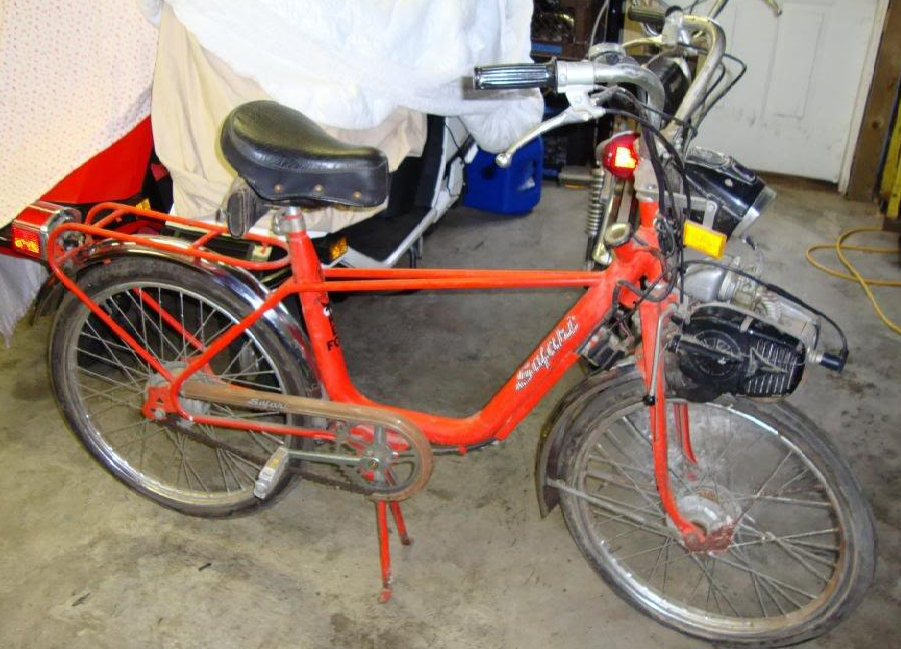
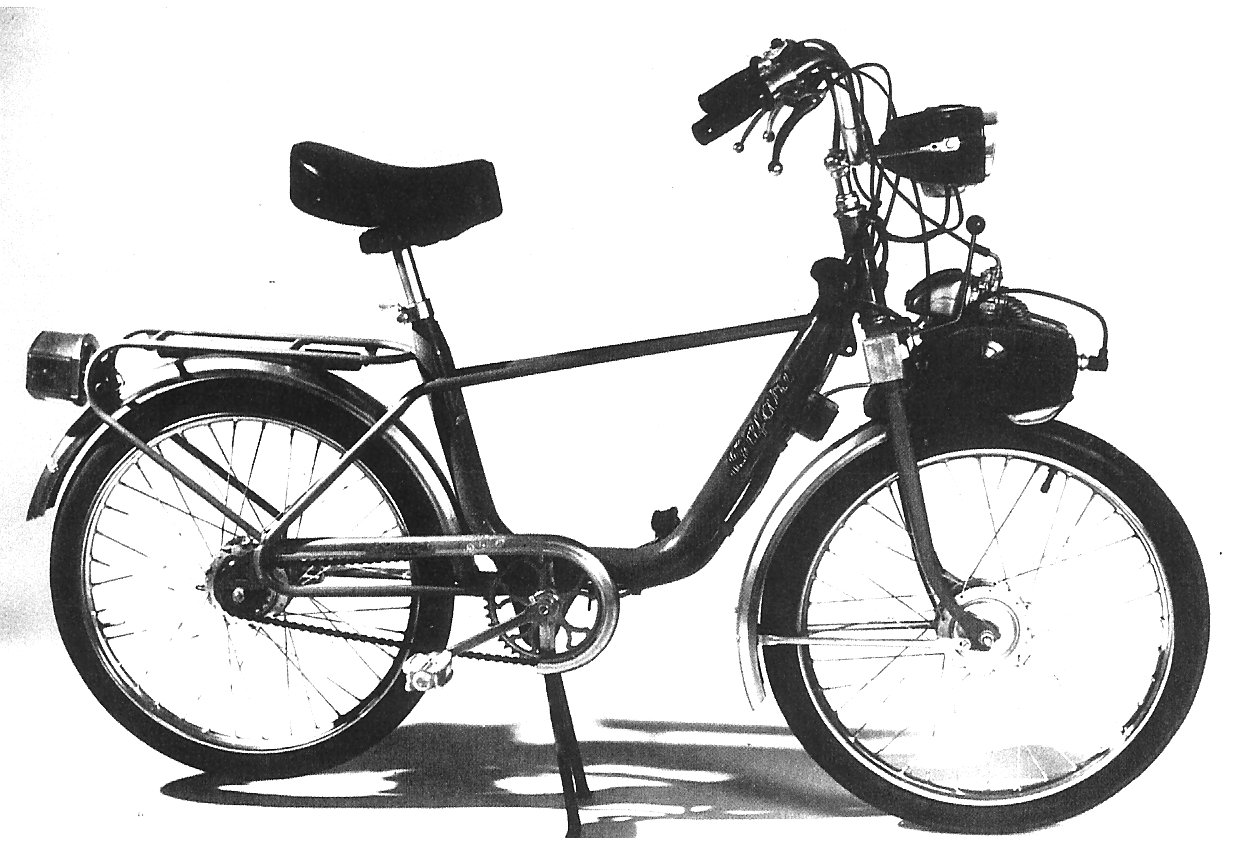
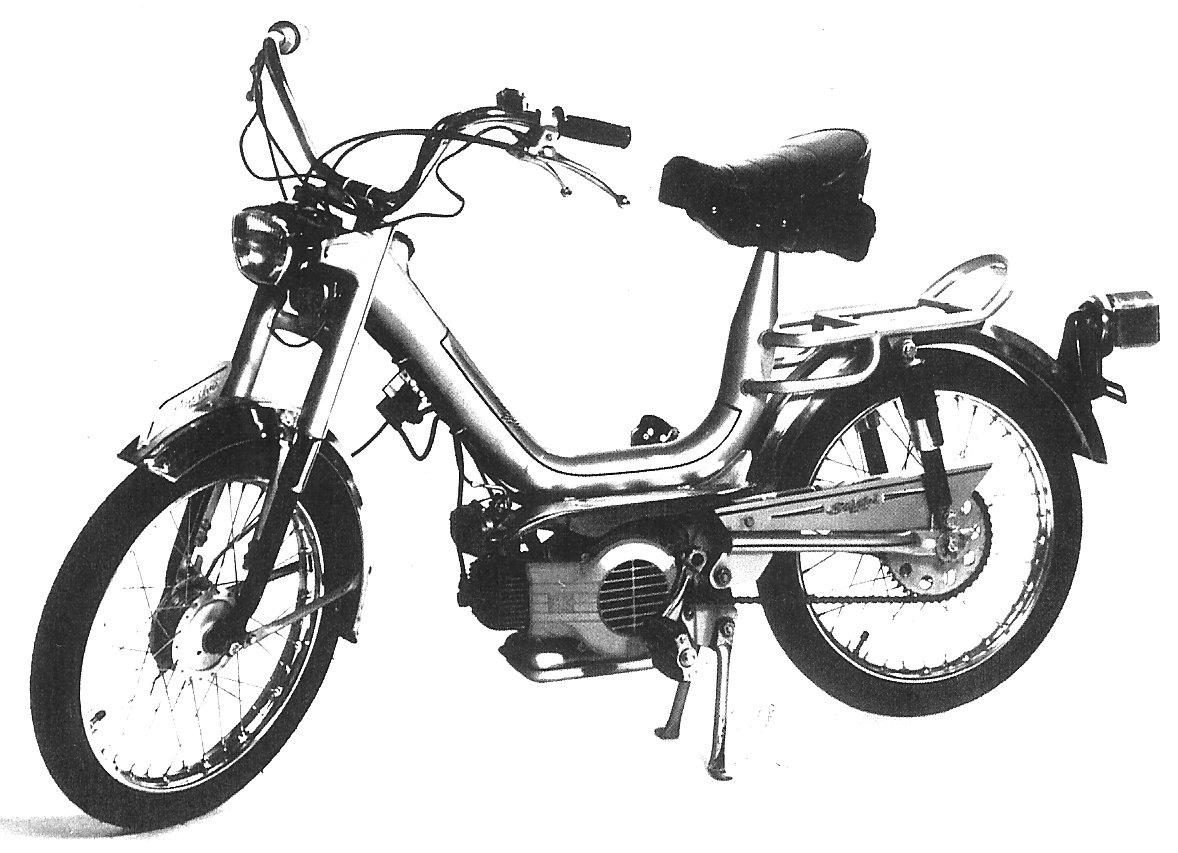
Safari is a trade name made by Motor Bike Imports, Inc (MBI), 6005 S Route 130, Pennsauken NJ 08110. MBI began in 1964-65 as First American Bicizeta, Inc, importing the popular Italian motor bike Bicizeta, a front engine, friction drive, pull start, 50cc automatic, made by Motori Zanetti of Bologna Italy.

Most Safari mopeds were sold at eastern US moped shops, mostly New Jersey, Maryland, and Florida. Almost none were sold in California, so Myrons Mopeds has no Safari literature or Safari-specific parts.

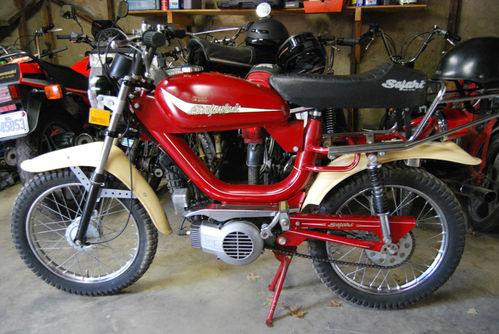
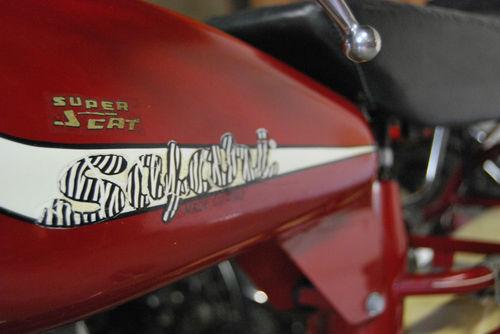
1979 Safari Super Scat 1979 Safari Super Scat  
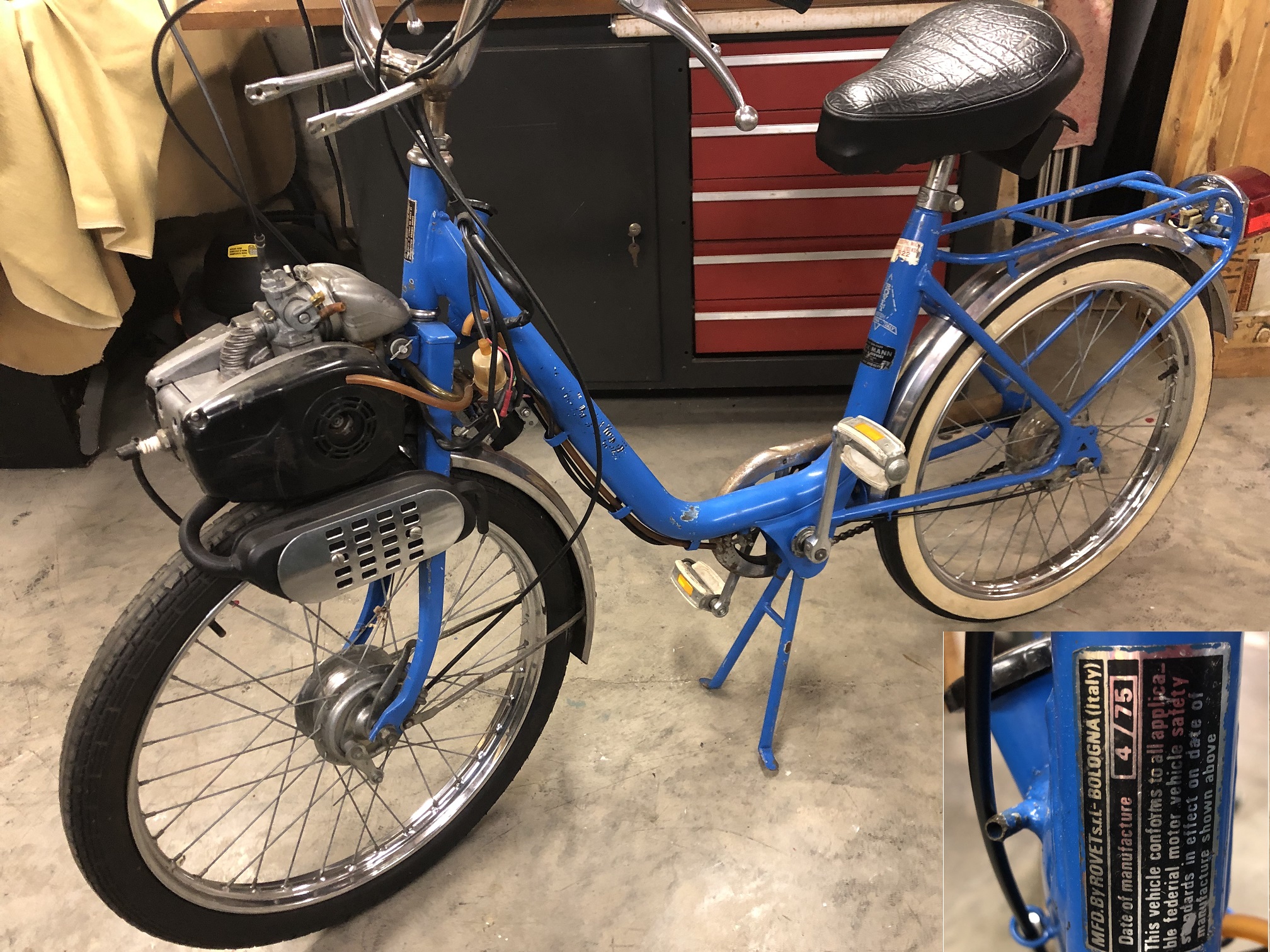
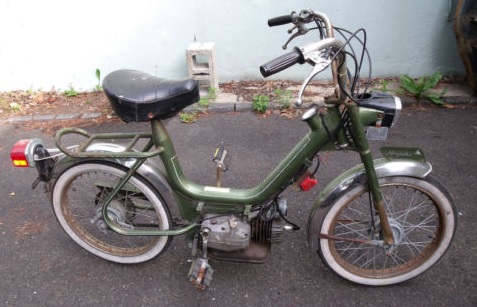
1. ’79 Safari Super Scat, 2. ’79 Safari Super Scat, 3. Rovet, 4. ’75 Safari Rovet

Scat: In 1968-69 MBI contracted MZV of Bologna Italy to produce mini-bikes and mini-cycles using the Zanetti engines. They were given the brand name Safari Scat. Apparently the Safari Scat mini bike line of the early 1970’s included or became street legal full size mopeds with off road tires and fenders by around 1979. There are currently no pictures or details of those early Safari Scat mini bikes. There is only this 1979 Safari Super Scat.

Rovet: In the early 1970’s MBI went in partnership with an Italian engineer and started their own bicycle manufacturing company, named Rovet. In 1975 Rovet made the Safari Rovet, using the Zanetti front engine. Unlike the Bicizeta that was a folding step-thru frame, the Rovet was non-folding. It produced 1 hp, went about 19 mph, and was DOT approved for US streets.

The Rovet gas tank was the main frame tube, with a petcock down near the pedals. The fuel tank is lower than the engine, and so a fuel pump is required to supply fuel to the carburetor. A supply hose from the petcock goes to the pump. A hose from the pump goes to the carburetor. The Dellorto SHA float type carburetor only lets fuel in when it is needed. The excess fuel supplied by the pump is returned back to the fuel tank. So a return hose goes from the carburetor to the top of the fuel tank.

1975 Safari Ridget
1. ’75 Safari Ridget, 2. ’75 Safari Super Extra

Ridget and Super: In 1975-76 MBI began to import complete mopeds, made by MZV with Minarelli V1 engines.

They were called Safari Ridget (no speedometer, painted fenders, no rear suspension, solo seat), Safari Super (stainless steel stripe fenders, F and R suspension, solo seat), and Safari Super Extra (speedometer, stainless steel stripe fenders, chrome rear coil springs and motorcycle type fork). Early Safari Super Extra had a solo seat. After mid-1977 they had a nicely sculpted long seat.


Fox: In 1976 the front-engine Rovet became the Fox. Two thin frame top-tubes were added. That made it no longer a step-thru frame.

1976 Safari Fox 1976 Safari Fox 1976 Safari Super 1976 Safari Super
1. ’76 Safari Fox,  2. ’76 Safari Fox, 3. ’76 Safari Super, 4. ’76 Safari Super

1976 Safari:            engine          fenders            wheels        controls     special features
Safari Fox             Zannetti front engine, friction drive, 1hp  20mph
Safari Ridget          Minnarelli V1       painted     spoke wheels   Domino     step-thru
Safari Super          Minnarelli V1   stripe metal    spoke wheels   Domino     step-thru
Safari Super Extra  Minnarelli V1  stripe metal    spoke wheels   Domino     step-thru

The heavy DOT tail lamps were too much for the thin stainless steel rear fender. The fender would eventually break at the tail light mount holes. To fix this, Safari had the 1977-later frames made with a large 1″ x 2″ steel washer welded to the back frame bar. The tail lamp was relocated there.

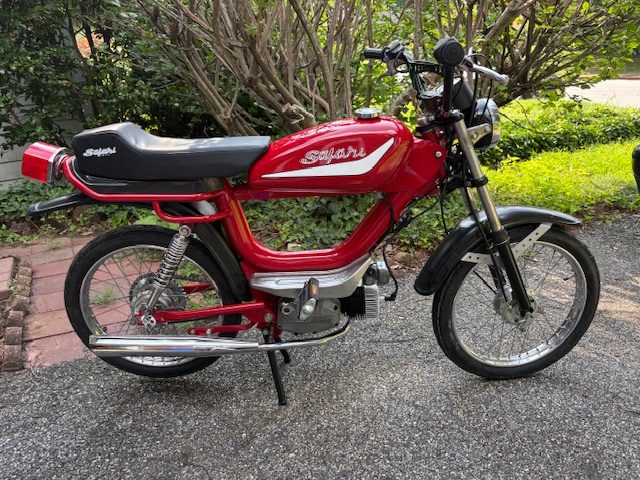
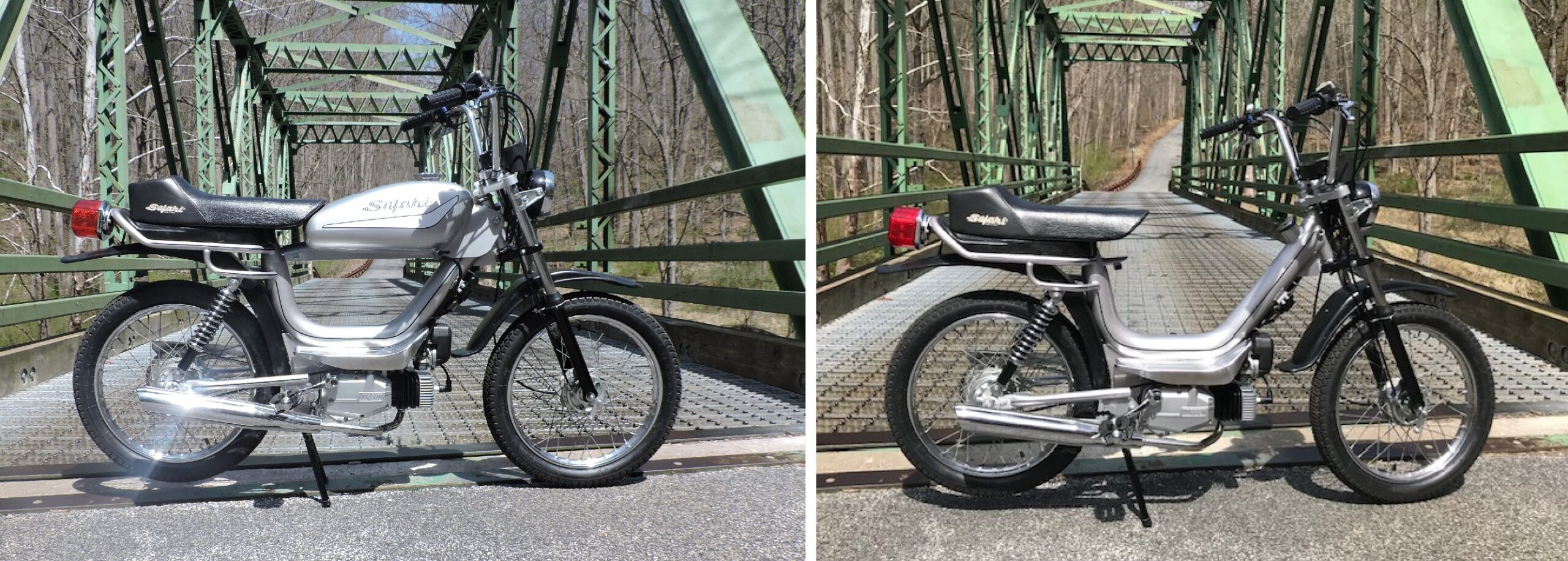
1978 Safari 300MT restored by B. Small 1978 Safari Super Extra 1978 Safari 300MT B.Small restoration
1. ’78 Safari Super Extra restored by Bill Small
2. ’78 Safari Super Extra
3. ’78 Safari Super Extra restored by Bill Small
4. ’78 Safari 300MT restored by Bill Small


These early Safari’s, from 1976 until mid-1978 all had the Minarelli flattened can type exhaust, nicknamed “pancake exhaust”. Most were the 40kph (26mph) speed version for Italy, which was OK for either 25 or 30mph US states. Some were 20mph versions with a different piston, a smaller carb, 9mm instead of 12. After mid-78 they had long exhausts, which upped the speed from 26 to 29mph.
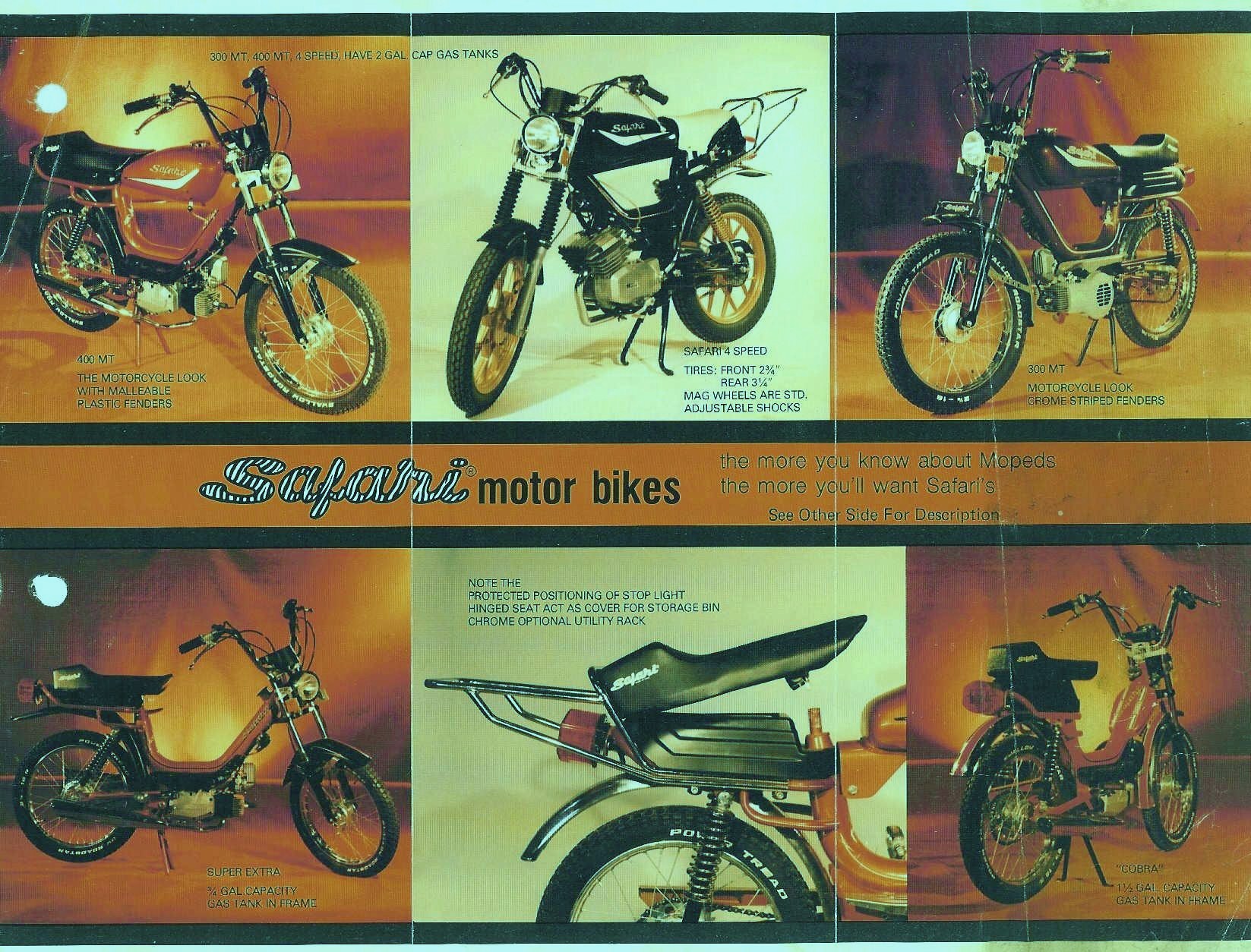
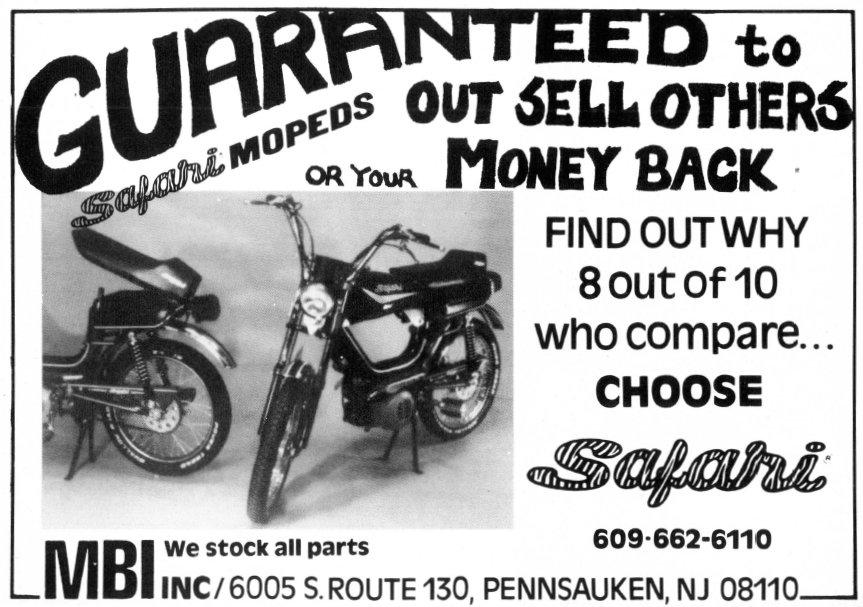
Safari brochure MBI Ad
1978 Safari:    engine          fenders            wheels        controls     special features
Super Extra Minnarelli V1  stripe metal    spoke wheels   Domino      step-thru
300 MT       Minnarelli V1  stripe metal    spoke wheels   Domino     top-tank
400 MT       Minnarelli V1  black plastic   spoke wheels   Domino      top-tank
Cobra         Minnarelli V1  stripe metal    spoke wheels   Domino  step-thru wide tank
Commando Minnarelli P4  black plastic    mag wheels       OSL        top-tank

New Safari models for 1978 had motorcycle style top mounted gas tanks. New model names were 300 MT and 400 MT (for Motorcycle Tank). The motorcycle tank models were more popular, in the US, than the step thru versions. 400MT was called Convertible because the top tank could be removed and the frame gas tank could be used instead. The 300MT did not have a frame tank.
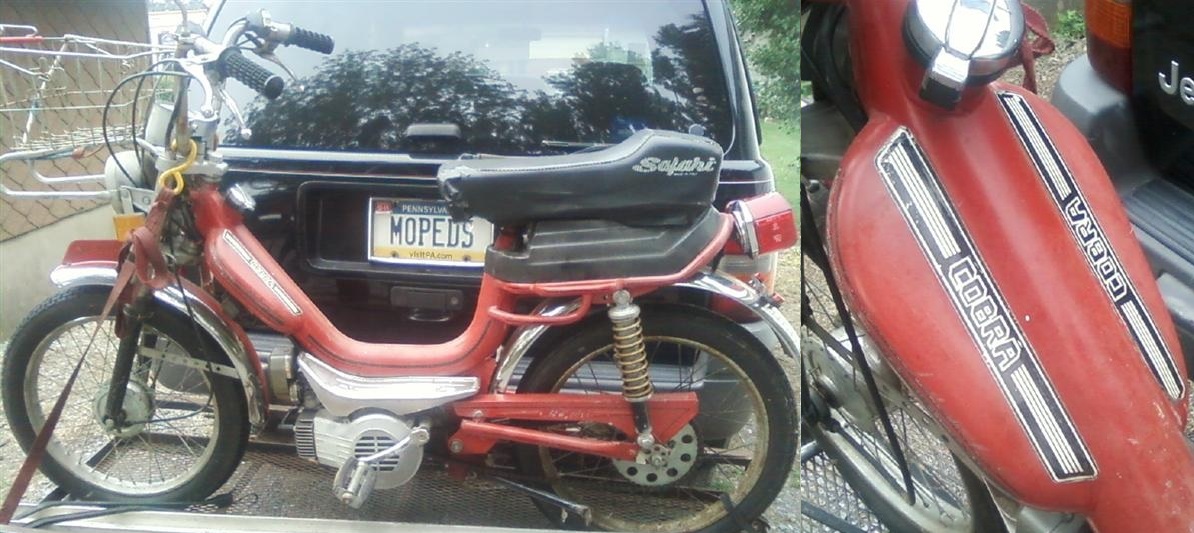
1978 Safari Cobra 1979 Safari 400MT 1978 Safari Commando
1. ’78 Safari Cobra, 2. ’78 Safari 400MT, 3. ’78 Safari Commando


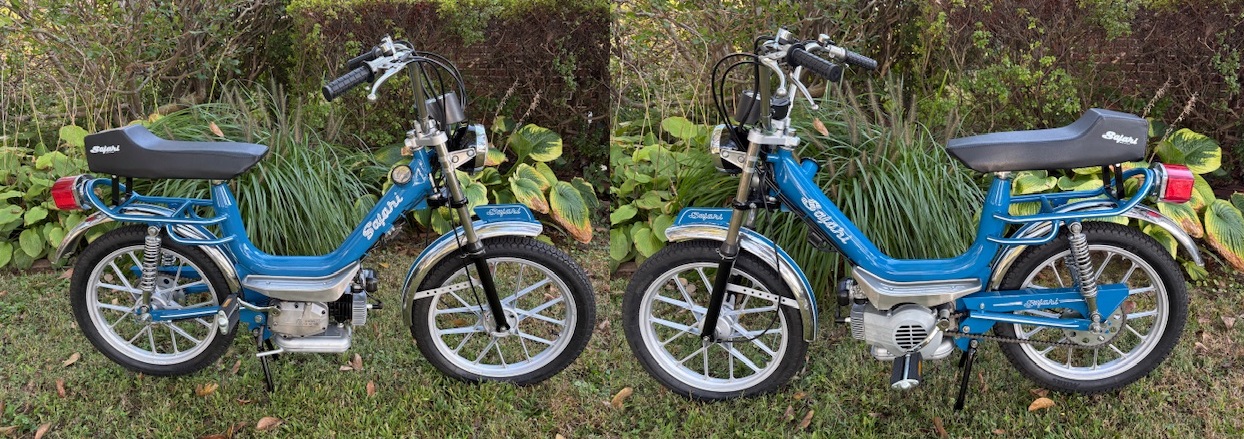
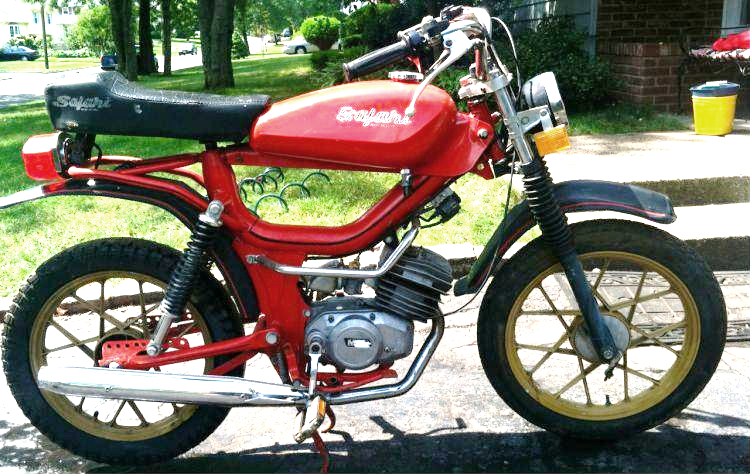
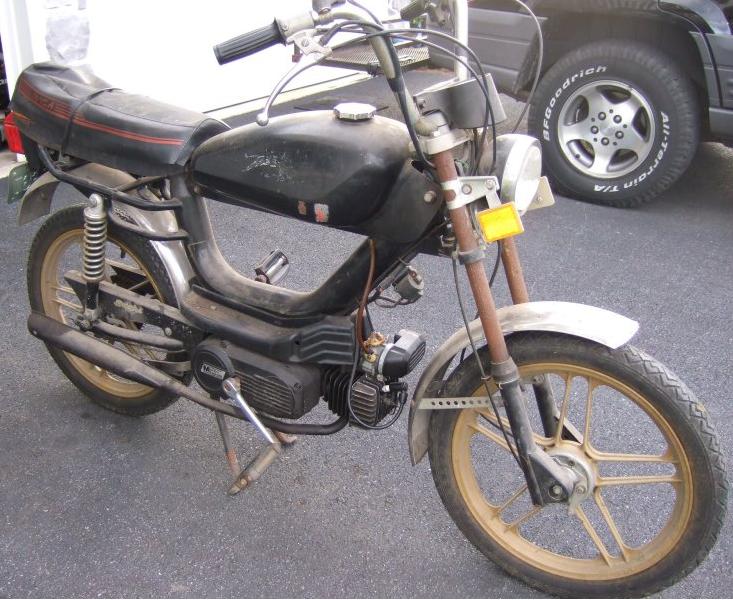
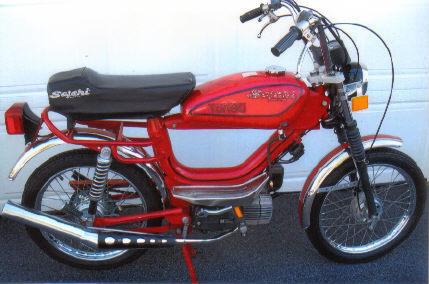
1. ’80 Safari 400MT, masterfully restored by Bill Small in MD.
It easily converts to a step-thru with a gas tank in the frame.
2. ’79 Safari Super Extra, another fine Bill Small restoration.


1980 Safari
1980 Safari: price       engine          fenders          wheels     controls     special features
Leader        $459   Minnarelli V1  stripe metal    spoke wheels   Domino   step-thru solo seat
300MT        $599   Minnarelli V1  stripe metal    spoke wheels   Domino     top-tank
400MT        $699   Minnarelli V1   black plastic   mag wheels     OSL         top-tank
Automix     $739   Minnarelli V1?  black plastic   mag wheels     OSL      top-tank, oil injection
Cobra         $649   Minnarelli V1  stripe metal    spoke wheels   Domino  step-thru wide tank
Commando $1100 Minnarelli P4   black plastic    mag wheels       OSL      top-tank


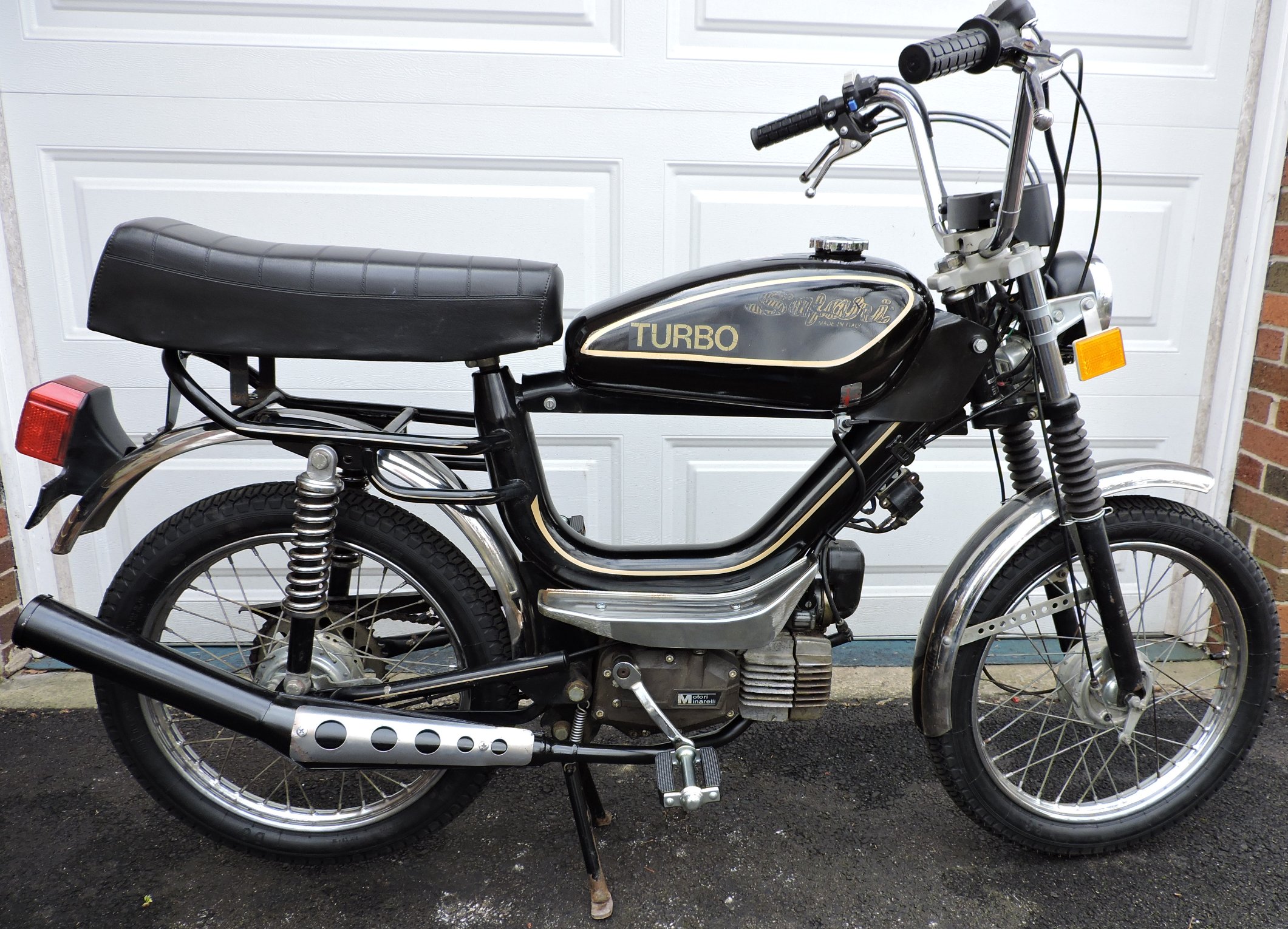
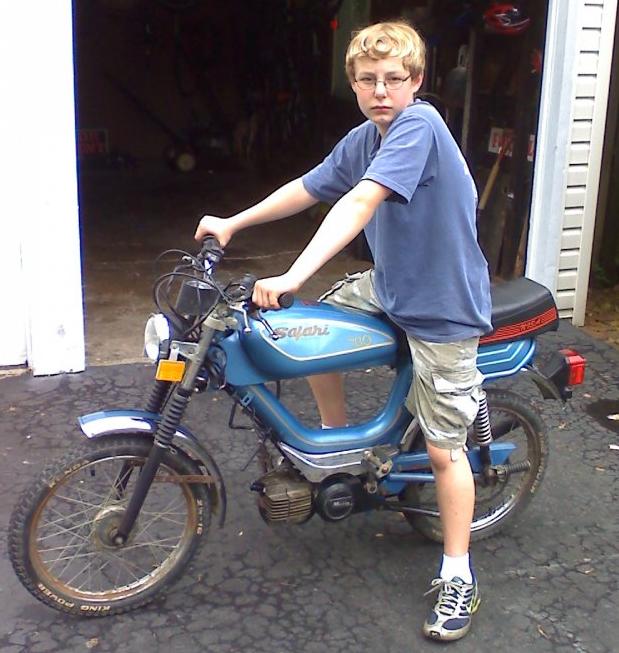
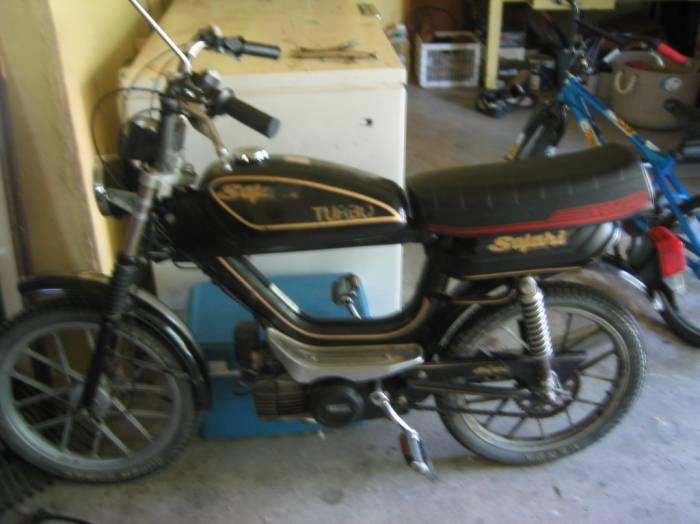
1981 Safari Commando 1983 Safari Variomatic 1985 Safari 300MT Turbo 1985 Safari 300MT Turbo black
1. ’81 Safari Commando, 2. ’83 Safari Variomatic, 3. ’85 300MT Turbo, 4. ’85 300MT restored by Bill Small

New for 1983-84 is the Minarelli C2 “continuous two speed” engine, on the Safari “Variomatic”. It has a variable belt pulley system, where one pulley gets bigger while the other gets smaller, continously. It is called a CVT continuously variable transmission. The result: quicker take off and better hill climbing!

1984 Safari:                       engine          fenders       wheels      controls    special features
Safari 300MT Turbo         Minnarelli V1-H   stripe metal  spoke wheels    OSL         top-tank
Safari 400MT Turbo         Minnarelli V1-H   black plastic   mag wheels     OSL         top-tank
Safari Variomatic De Lux Minnarelli C2      plain metal    mag wheels     OSL         top-tank
Safari Commando           Minnarelli P4      black plastic   mag wheels     OSL         top-tank

1984-85 began the newer Minarelli V1-H engine, improved with an aluminum cylinder and more cooling fins. This eliminated the need for the fan and the fan shroud. The V1-H still had the piston port intake design of the older V1. The case ID has a cast “V1”, plus a stamped “H” after it. 

1986 Safari 300MT 1986 Safari 300MT Turbo 1987 Safari 300MT Minarelli V1-H motor
1. ’86 Safari 300MT Turbo, 2. ’86 400MT Turbo, 3. ’87 300MT Turbo, Minarelli V1-H, alu. cylinder

With the floorboards on, the Minarelli V1-H looks exactly like a later V1-L. But look under the floorboards and you can see the intake goes in to the cylinder, not into the crankcase, like on the V1-L “case reed” engine.

1988 Safari:                       engine          fenders       wheels      controls    special features
Safari 300MT Turbo        Minnarelli V1-L   stripe metal  spoke wheels    OSL         top-tank
Safari 400MT Turbo        Minnarelli V1-L   black plastic   mag wheels     OSL         top-tank
Safari Commando       Minnarelli 4-speed  black plastic  mag wheels     OSL         top-tank


1990 Safari 300MT 1991 Safari 300MT 1990 Safari 300MT
1. ’90 Safari 300MT, 2. ’91 Safari 300MT, 3. ’90 Safari 300MT

The V1-L one speed case reed engine had more take-off power and torque to climb hills than the V1-H piston port. So there was less need for all the complexity, extra cost and extra weight of the Minarelli C2 two speed engine. 

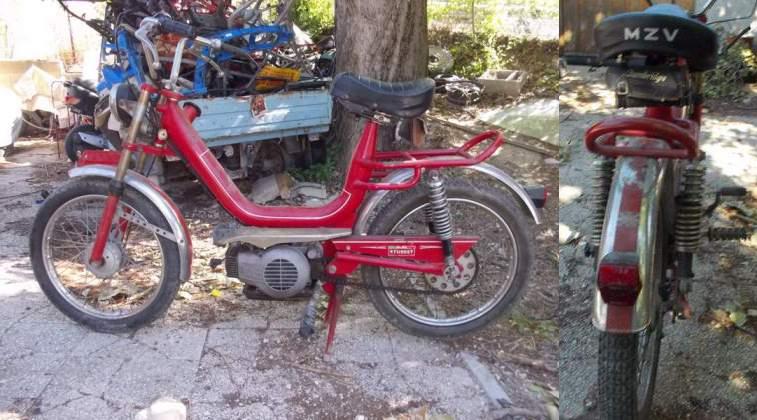
Note that Safari mopeds did not say the model name anywhere. As a result, many people call their Safari mopeds the maker name, MZV, since that is the only other name on the frame. Also the model name MZV is used because it is what Safari’s are called in Italy and Europe. There is very little information about MZV in the Wheels of Italy pages, or anywhere else.

Safari lasted much longer than most US brands, 1975 to about 1991. Thanks to, and hats off to, Mr. John Oddone, for the info about his father’s company MBI, and Safari early models and history. 


Other MZV Models Non-US

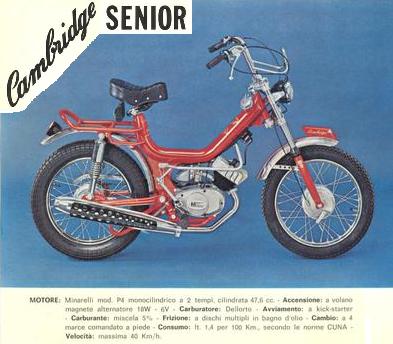
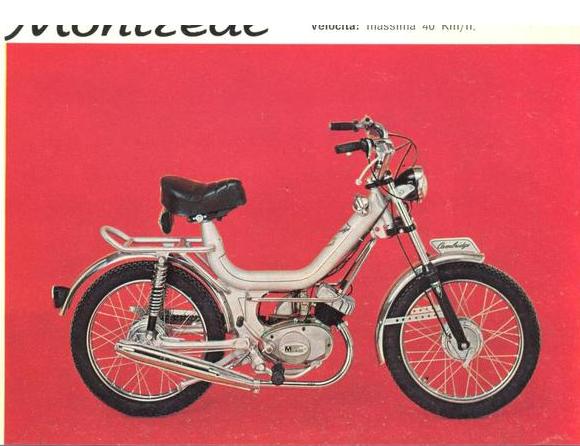
1986 MZV Cobra MZV Cambridge Senior 1972 MZV Cambridge Montreal Early 1970's MZV Cambridge
1. ’86 MZV Cobra, 2. ’76 MZV Cambridge Senior,
3. ’72 MZV Cambridge Montreal, 4. early 70’s MZV Cambridge


 Safari Info

Here is a 1980 Safari Owners Manual. Thanks to Moped Central.

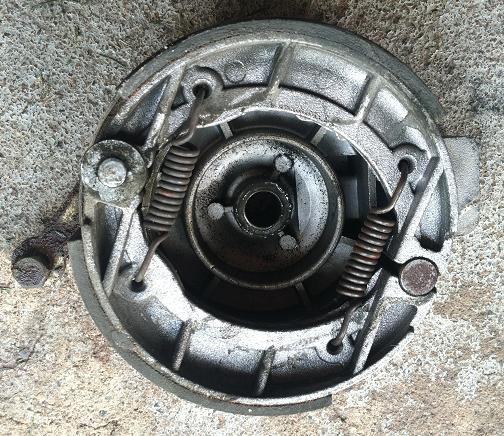
Safari 115mm brake Safari 115 F brk plate Safari Commando rear wheel
1. Safari 118 x20 brake, 2. Safari 118mm front plate alum. casting can crack
3. 1981 Safari Commando Grimeca 16 x 1.60 118mm brake drum

These Safari brake pictures are for reference. These brakes are also for 2001-03 Tomos A35 Revival rear. See Brakes 118 x 20 Grimeca  


OSL smallSafari components: Minarelli V1, V1-H, V1-L engine, or Minarelli 4-speed, Dellorto SHA 14/12 carburetor (V1 engine), CEV lights, CEV plastic slider switches, OSL controls, Grimeca hubs and 90mm brakes or 118mm drum Razze Incrociate style mags (Commando model), CEV speedometer with LH driver. The Safari Super Extra frame has a 40mm push-in gas cap.


Kynast Parts

July 12, 2012

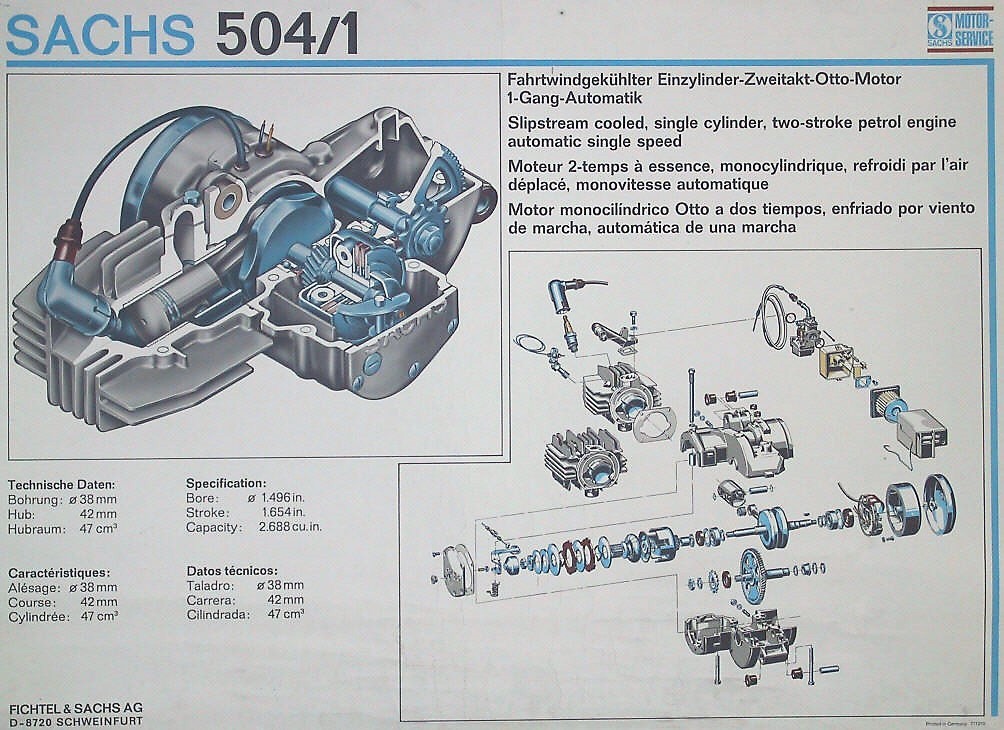
 KynastKynast  made in Germany by Kynast  Sachs 504, 508 engine

Kynast Otto Gmbh & Co. KG began in 1946 when Otto Kynast, pronounced “key-nest”, started a small hardware and household goods store in Badbergen. They began making steel tube products. The first bicycle was produced in 1950. By 1966, around the year that Otto Kynast died, they had made 1 million bicycles, and was the biggest bicycle factory in Germany. By 1985 Kynast had made 16 million bicycles. But sales slowed more and more in the 1980’s because of low cost, high quality Asian bicycle frames. Eventually Kynast was bought up by the huge conglomerate, Derby Cycles, after several bankruptcies. Read more Kynast History.
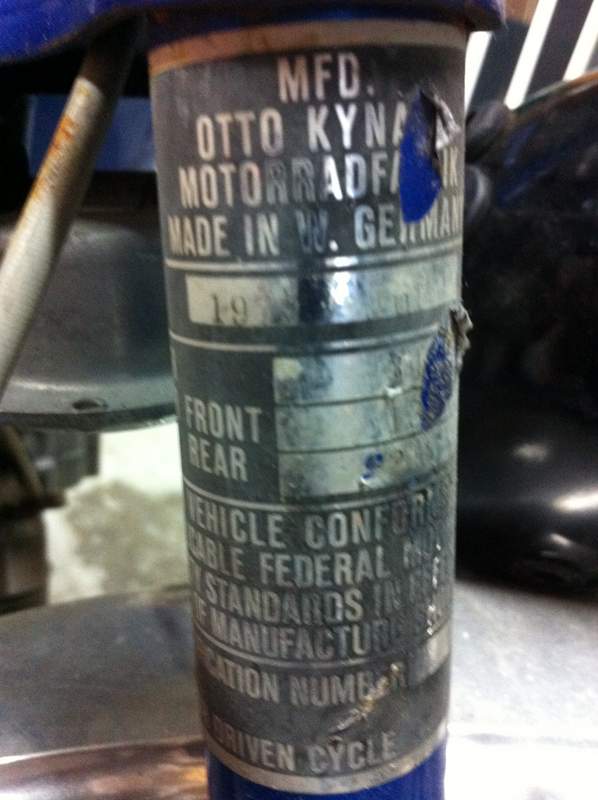
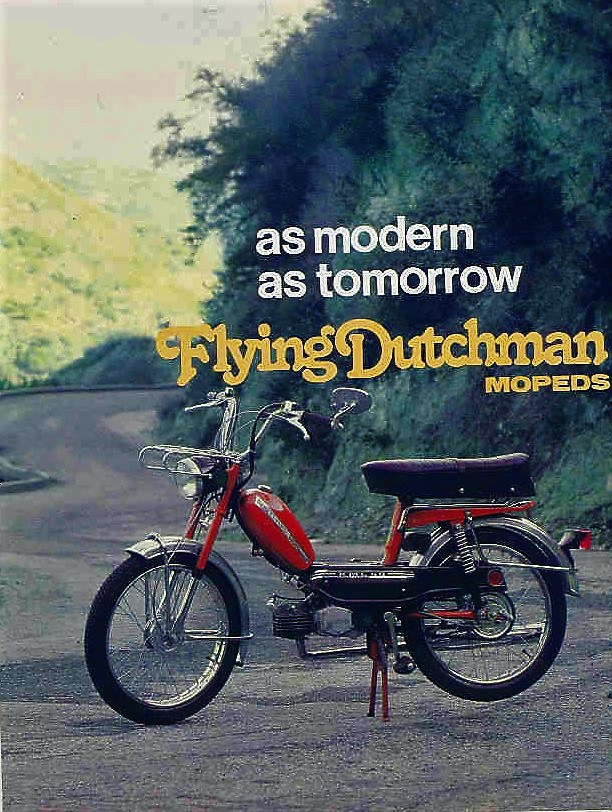
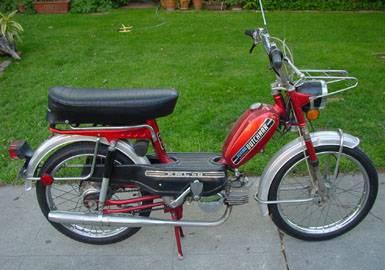
1979 Kynast Flying Dutchman
says “Otto Kynast Motorradfabrik”

(motorcycle factory) in W. Germany


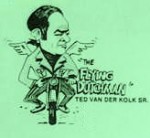
Flying Dutchman Ted Van Der Kolk

Flying Dutchman Moped and Bicycle, Inc was a company made by Ted Van Der Kolk Sr, at 509-511 E Broadway, Glendale CA 91205, one block west of city hall. Ted Sr. was the businessman and his son Ted Van Der Kolk Jr. was the mechanic.

Ted Sr. grew up in Holland (now called Netherlands). He had a moped shop there, as well as souvenir shops in the Dutch West Indies, before moving to California in 1972. He was already selling Sparta mopeds and bicycles in Holland. His shop in Glendale, just north of Los Angeles, was open from 1972 to 1991. John Cochran worked for Ted Van der Kolk Sr. for awhile, then later formed is own shop, T. and J. Inc, at 3518 Firestone Blvd, South Gate CA 90280, just south of Los Angeles. Later T and J (Ted and John) became Moped City, a few doors down, South Gate California.  Most of the Flying Dutchmans in Southern California came from those three shops. Besides teaming up with Van Der Kolk, John Cochran made one of the first moped expansion chamber exhausts, and employed Carlos Rodriquez as main mechanic at Moped City. John Cochran died in 2004. The “Flying Dutchman”, Ted Van Der Kolk, Sr lived until his late 90’s, and died in 2013. Ted Jr was alive at age 75, in 2017.

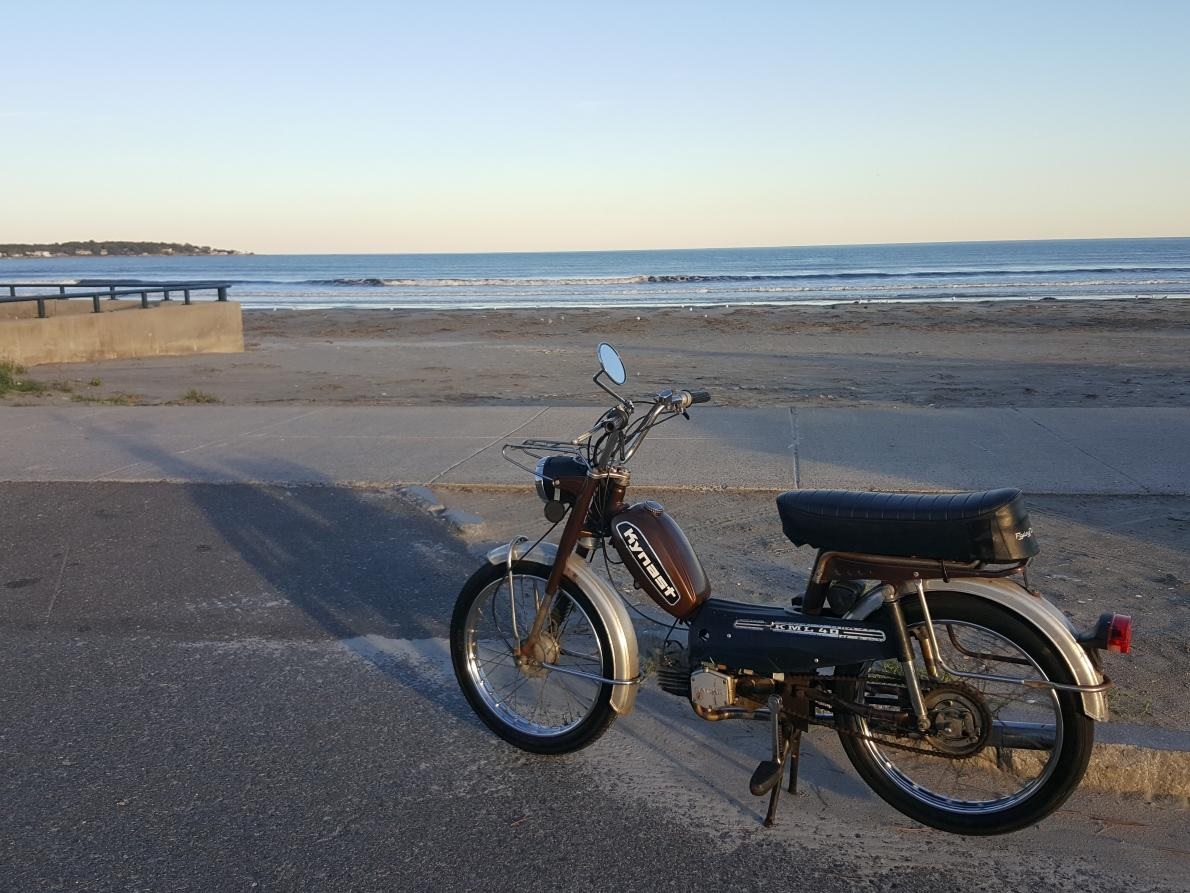
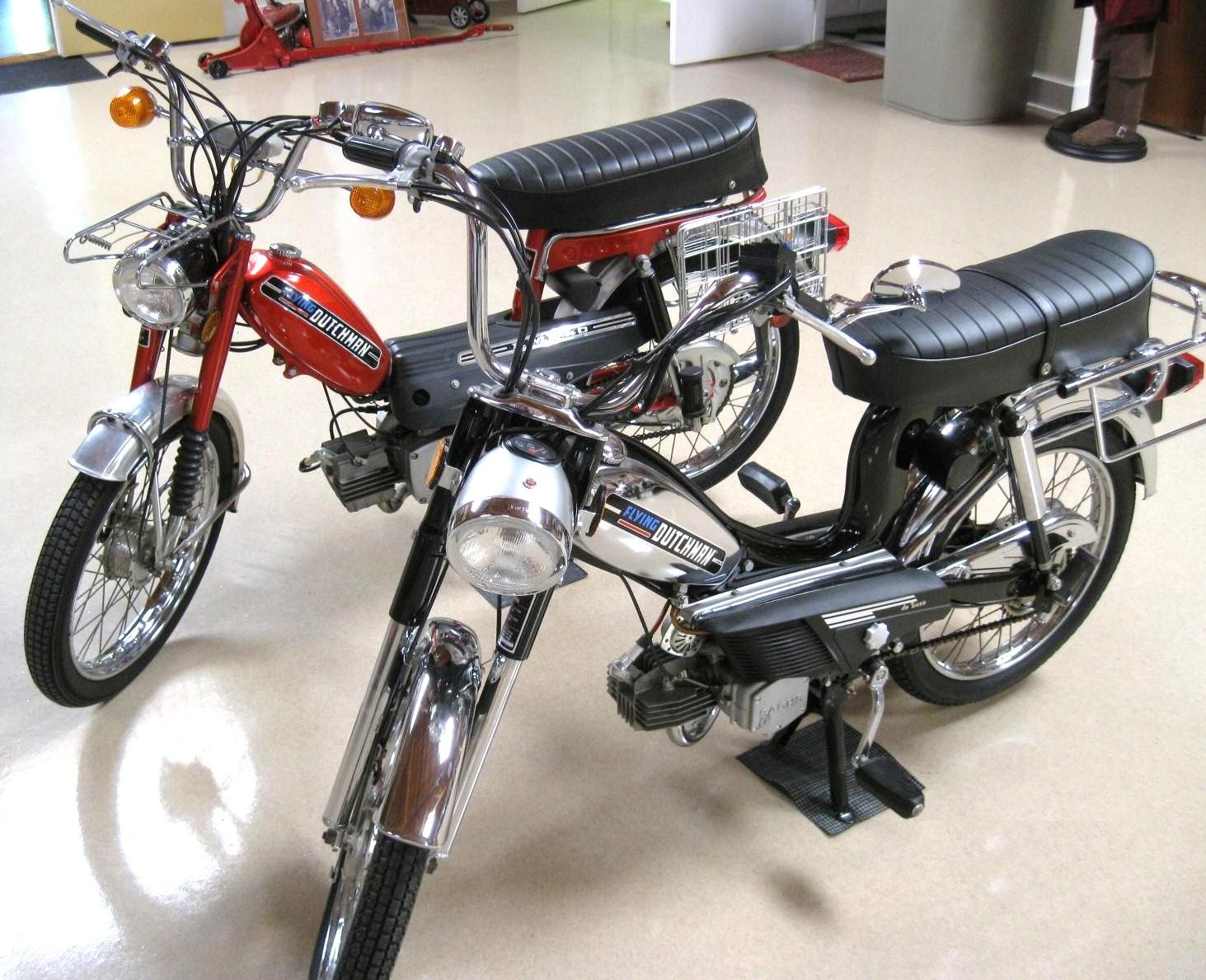
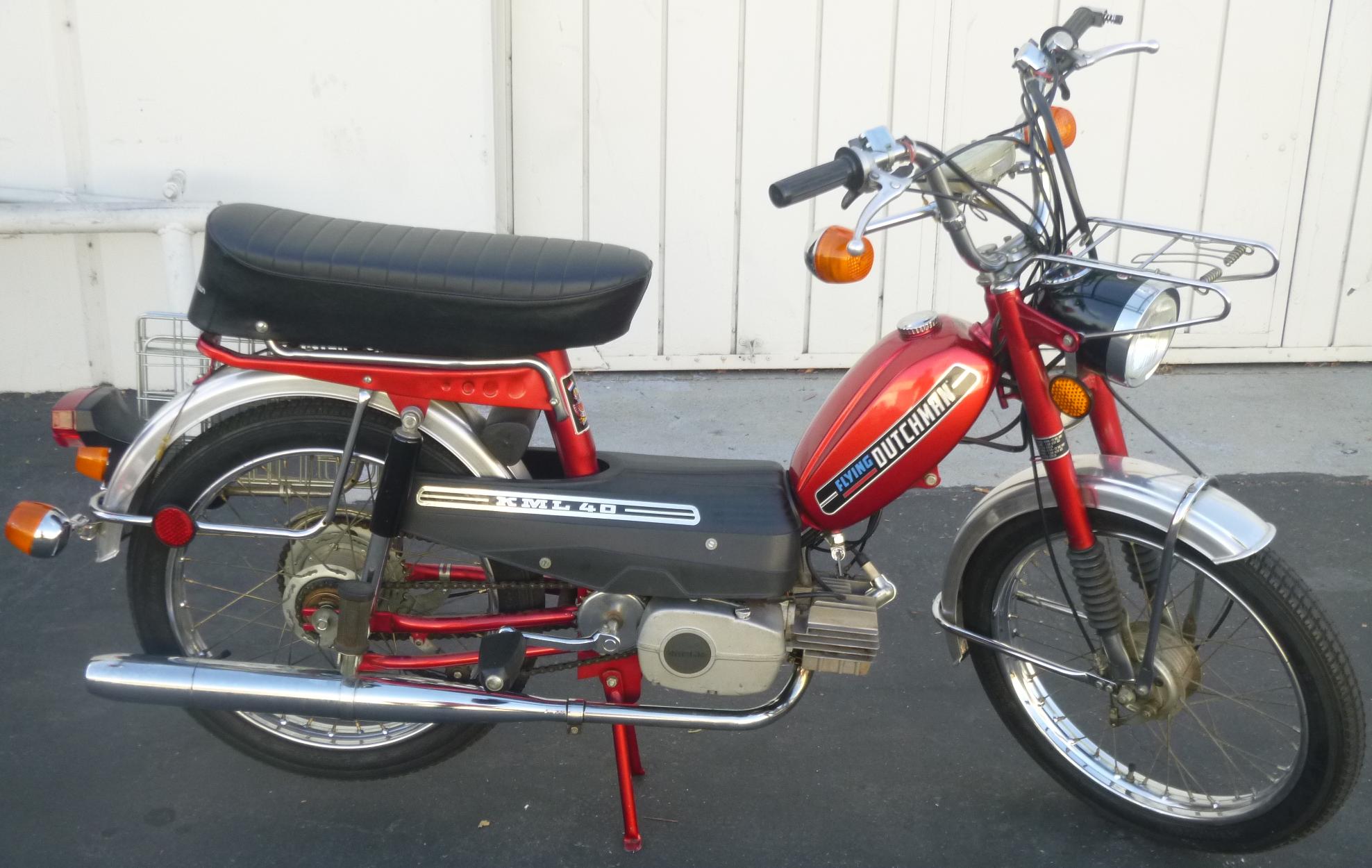
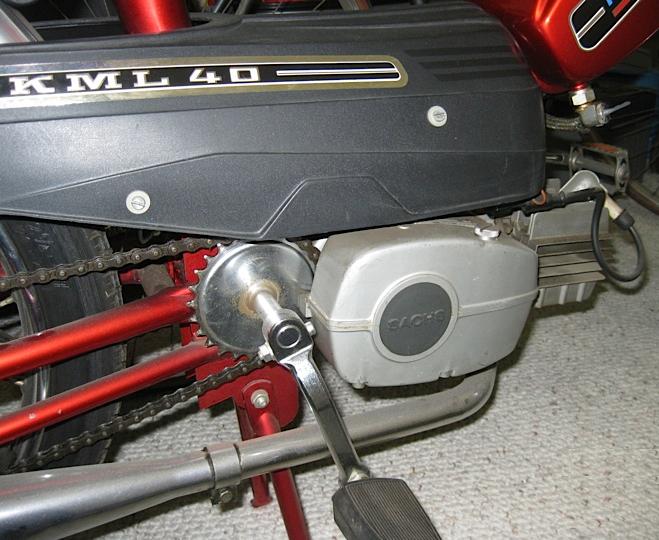
1980 Kynast Flying Dutchman KML 40 with a 1979 Sparta
1980 red Kynast Flying Dutchman KML 40
1979 black Sparta Flying Dutchman Deluxe


Sparta and Kynast: There are two makes of Flying Dutchman’s, Sparta (made in Holland) and Kynast (made in West Germany), pronounced “key-nest”. The Sparta Flying Dutchman models (front tank “Deluxe” aka “Buddy” and rear tank “Lucky”) are in Sparta.
Altogether about 5000 Flying Dutchmans, half Sparta and half Kynast, were imported and sold only at Southern California moped shops,  according to Ted Jr. That is why not many people outside of California have ever seen one.

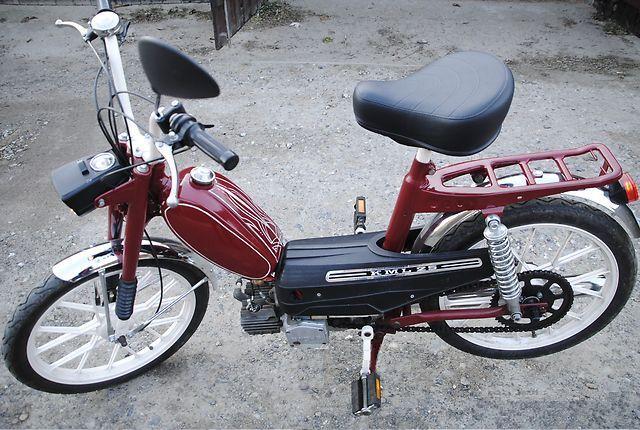
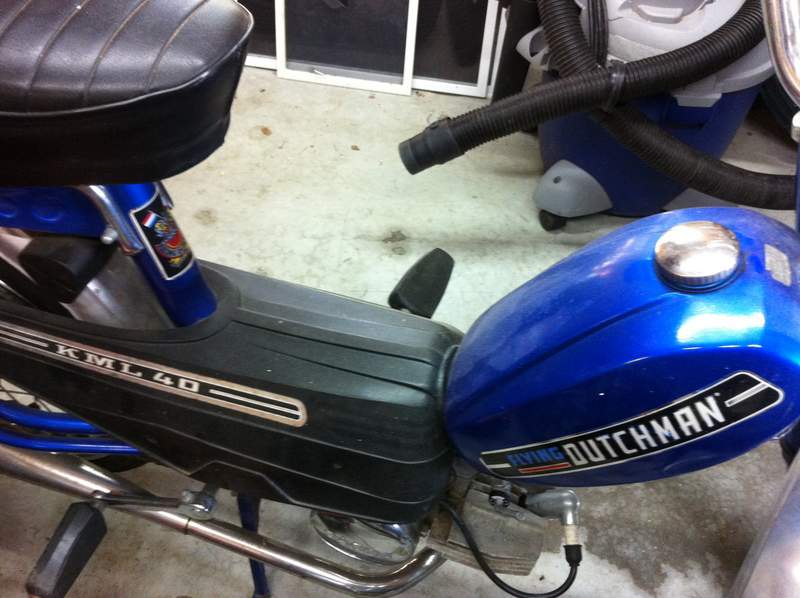
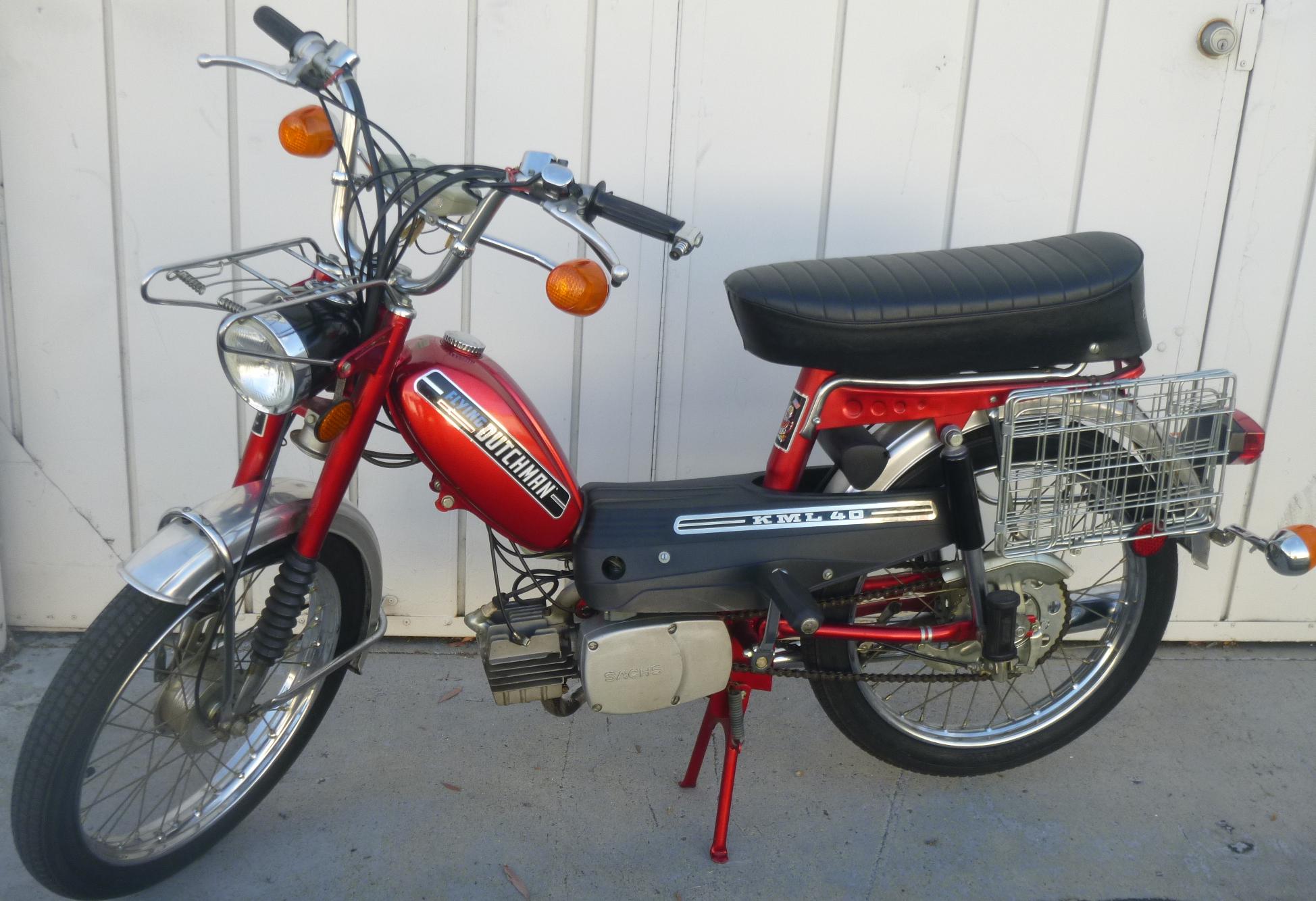
All of the Kynast-made Flying Dutchman’s have the model name KML 40 on the sides of the one-piece black plastic engine cover. Their original speed was 40kph (25mph), but these US models are 30mph versions.

Euro models: The Kynast Euro models KML 40, KML 25, Bully 4000, Eurostar, and Kynast US model Flying Dutchman, share the same frame. It is apparently their own design, rather than a remake of an older design, since no other mopeds use it.  


Note that the Kynast Flying Dutchman KML 40 is different from the Dutch Airline KLM, even though they both fly with Dutch people on board.  
 

1977 red Flying Dutchman KML 40 with early style engine shroud

1977  Kynast KML 40
early style engine shroud

2012 Kynast KML 25 Euro model
2012 Kynast KML 25
Euro model, late shroud


Then and Now: At some point, the German motorcycle giant Hercules must have bought the machinery to remake the Kynast moped. Here it is 35 years later, at left, still with Sachs 504/1D one speed engine , restricted. Everything is powder coated, not chromed. It probably also has other modern amenities like sealed bearing wheels, and nylon lined cable housings.  


Kynast Flying Dutchman

79 Kynast, Sachs 504/1A, late style shroud

Flying Dutchman

Flying Dutchman

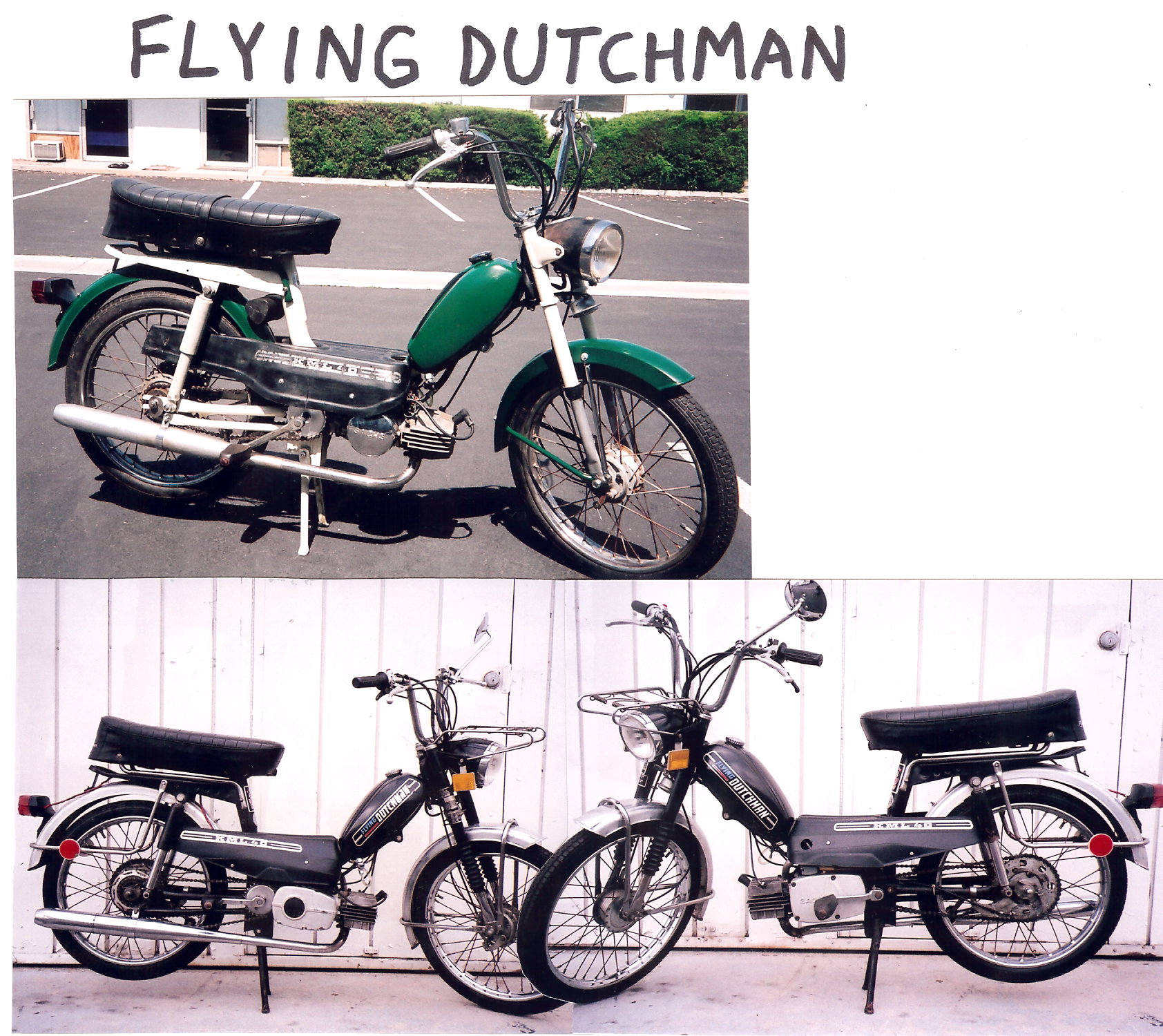
Above left, a candy red 1977 KML 40, with Sachs 504/1A, early style shroud.

Left, a white/green 1977-78 KML 40, with Sachs 504/1A, early style shroud

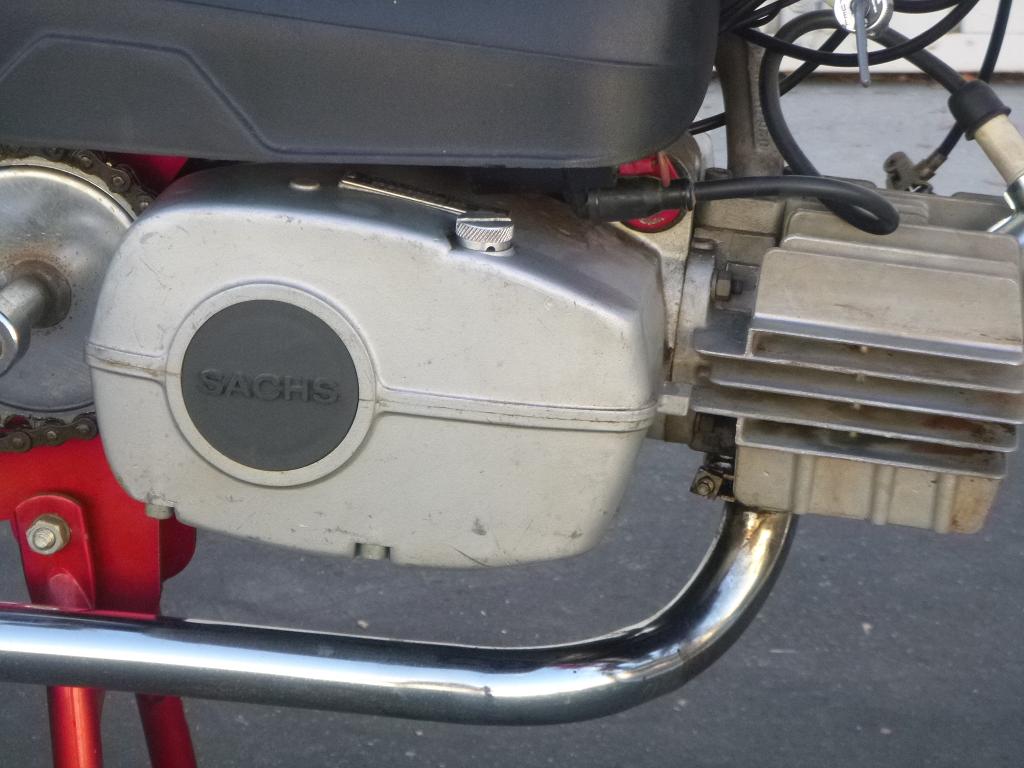
Bottom left, a dark silver 1979-80 KML 40, with a Sachs 508/AD 2-speed automatic engine, late style shroud.


Kynast KML40 left side

Kynast w/Sachs 508 left
has separate start and decomp cables, unlike the Sachs 504/1 or 505/1

Kynast KML 40 left side

Kynast w/Sachs 508 right
accessorized with:
Cateye turn signals kit
Denfield flip-up foot pegs

Kynast with Sachs 508 has lower start lever and upper decomp lever

Kynast with Sachs 508
has lower start lever and
upper decomp lever

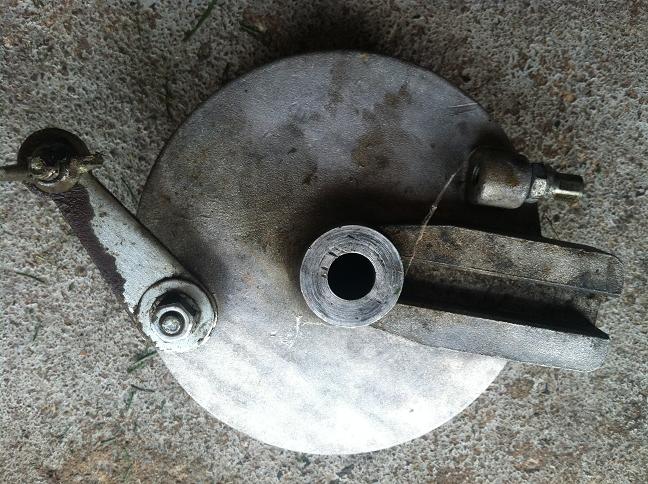
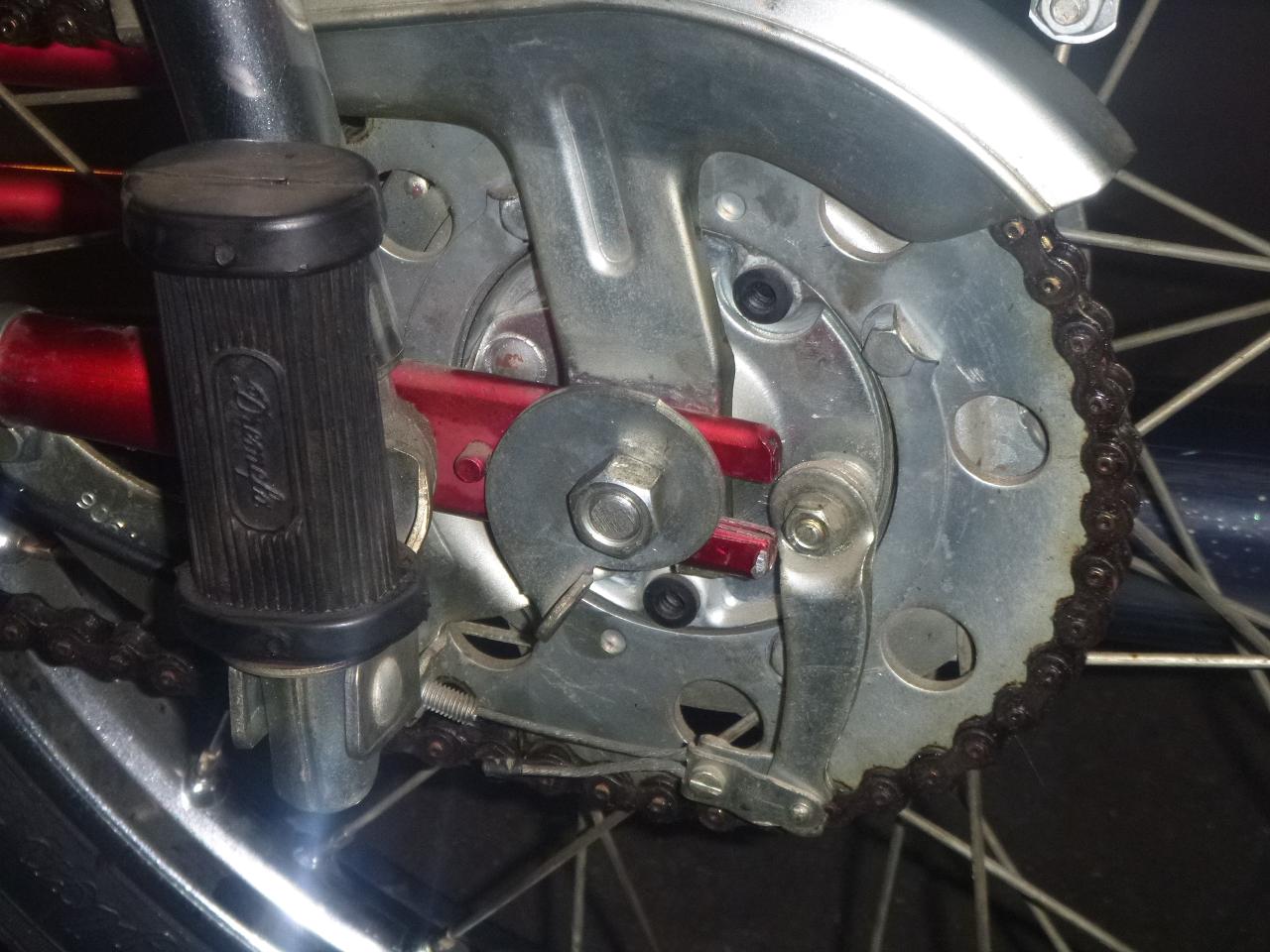
Kynast rear brake area

Kynast rear wheel brake
Grimeca 90mm drum
brake inside sprocket
clevis style cable end


1978 Kynast Easy Rider
Minarelli V1 engine


Sachs 508 engine:

Sachs 508/A D engine "zwie gang automatik" two speed automatic

Sachs 508/A D engine
“zwie gang automatik”
two speed automatic

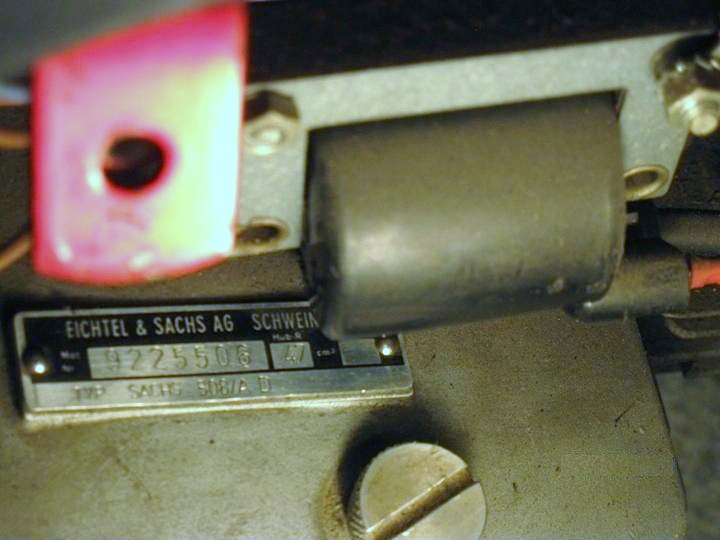
Kynast Flying Dutchman Sachs 508 - ID plate

Kynast Flying Dutchman
Sachs 508 engine ID plate
at top right, near dip stick

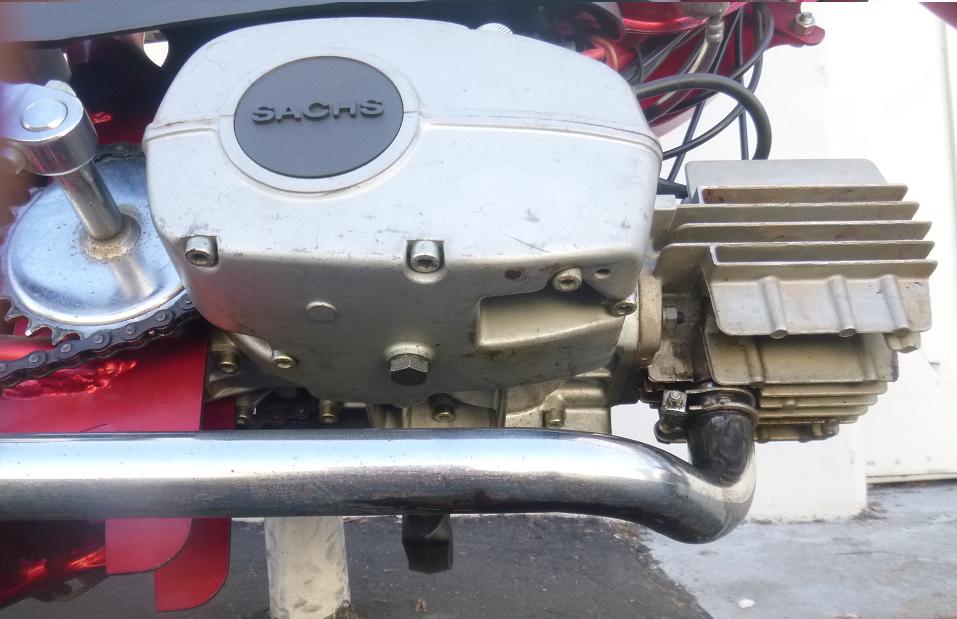
Sachs 508 right side

Sachs 508/A D right side
trans on R, magneto on L
unlike Sachs 504 & 505

Sachs 508/A D bottom

Sachs 508/A D bottom
cases split top to bottom,
fits same frame as 504,
two centrifugal clutches


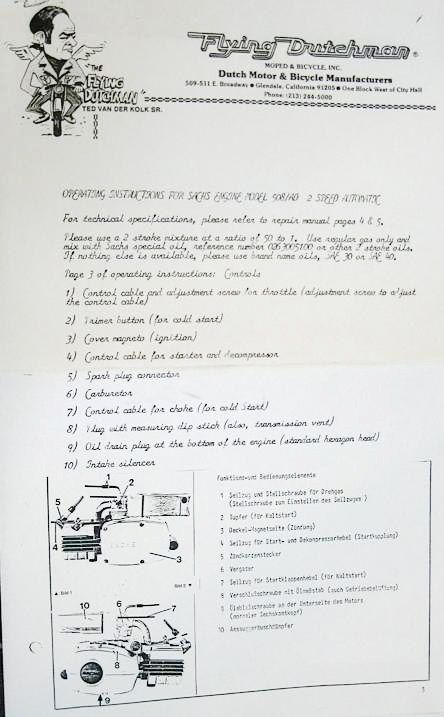
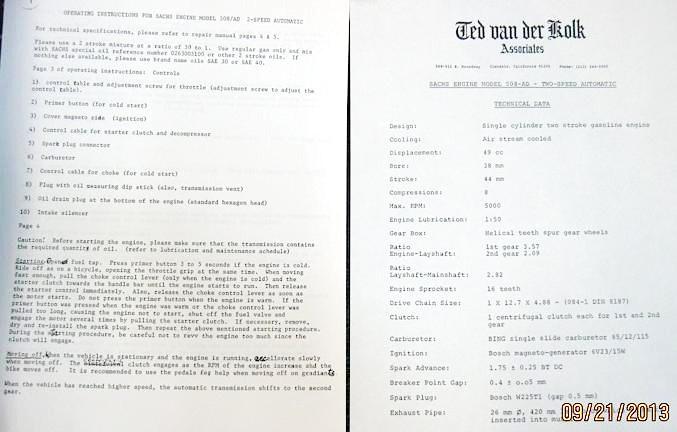
Sachs 508 Instructions

Flying Dutchman – Ted Van Der Kolk Sr.
Sachs 508 Two Speed Instructions

This rare Sachs 508 two speed engine is not mentioned or listed in any of the common Sachs engines web pages, even in Germany. Most Sachs two speed moped engines in Europe and worldwide are manual shift. They have a left hand grip twist shifter, that says “0-1-2”. But the Sachs 508/A is fully automatic and has no shifter or shifter cable. The US requires mopeds to be fully automatic, but European countries do not, so the Sachs 508 is likely designed for the US market. It’s speculation why it is so rare and unknown, but maybe it was too late in the game. By 1980, US moped sales were much less than in 1978, the peak year of the moped boom, following the gas shortage of 1973-76.  

Sachs 508 Specifications

Sachs 508/AD Specifications: 38x44mm, 8:1 CR, 5000rpm max, 50:1 premix, helical teeth gears
Gear ratios: 1st 3.57, 2nd 2.09, final 2.82
Sprockets 16×44 (not 11×40), chain 084-1
Bing 85/12/104A carb, Bosch 6V23/15W magneto
Spark timing 1.75 +-0.25mm piston position BTDC
Point gap 0.4 +-0.05mm, plug Bosch W225T1
Exhaust 24mm, 420mm long


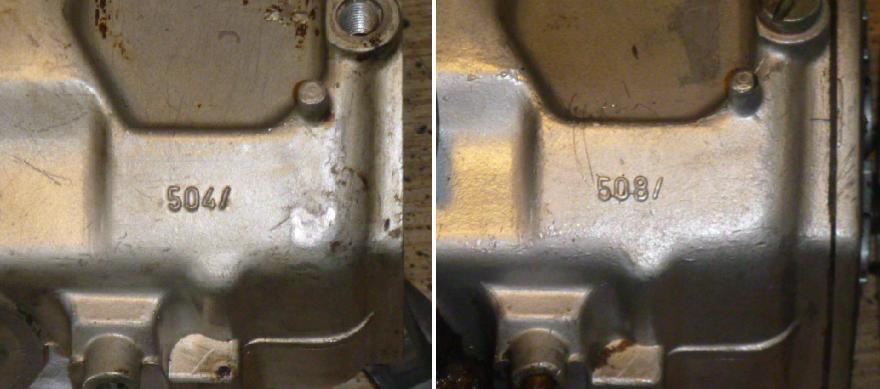
Sachs 504 with 508 marking

Some 1978? Sachs 504’s have this 508 marking

One final note about the elusive Sachs 508. Some of the later Sachs 504/1A one speed automatic engines, said 508/ cast into the left side of the engine case, near where the start cable goes in. This suggests that maybe Sachs was trying to fit a two speed automatic transmission into the existing 504 engine case. Perhaps because that design failed, they had to re-design an entire new engine case, with the right and left sides reversed. That probably took an extra year or more, making it too late to become popular.

Kynast components:

  • 1977-79 Sachs 504/1A one-speed engine, 11 x 40 tooth sprockets, Bosch 6V27/10W magneto
  •     with Bing 85/12/101 carb (#52 jet, throttle needle, all metal float needle)
  • or 79-80 Sachs 508/AD two-speed engine, 16 x 44 tooth sprockets, Bosch 6V23/15W magneto
  •      with Bing 85/12/104A carb (#54 jet, no throttle needle, rubber tip float needle).
  • Exhaust: right side 24mm x 420 Sachs exhaust header pipe, clamp on tail pipe/muffler.
  • Lights: CEV bullet hi/lo beam head light, Merit tail light, Merit rounded rectangular switches.
  • Magneto: Bosch magneto. blue=ignition, yellow=lites, green=brake lite, grn/blk=b.l. ground
  • Spark plug: NGK B6HS, internal ignition ground, normally open brake light switches.
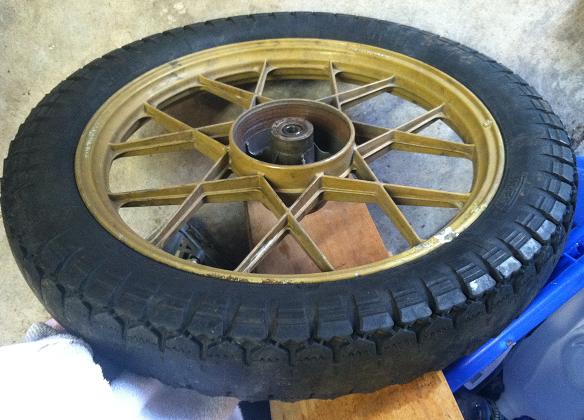
  • Wheels: 17 x 2.25 tires/rims, Grimeca hubs, 170 x 2.6 x 0.50 spokes (163 on L-rear), aluminum fenders
  • Brakes: Grimeca 90mm brakes, 11×1.0mm axles, special rear brake panel, clevis brake cable ends
  • Gas valve: right side Karkoma M16x1 female spigot back or compatible (can be down or left)
  • Gas Cap: quarter turn 30mm chrome, gasoline premix 50:1 (2% oil)
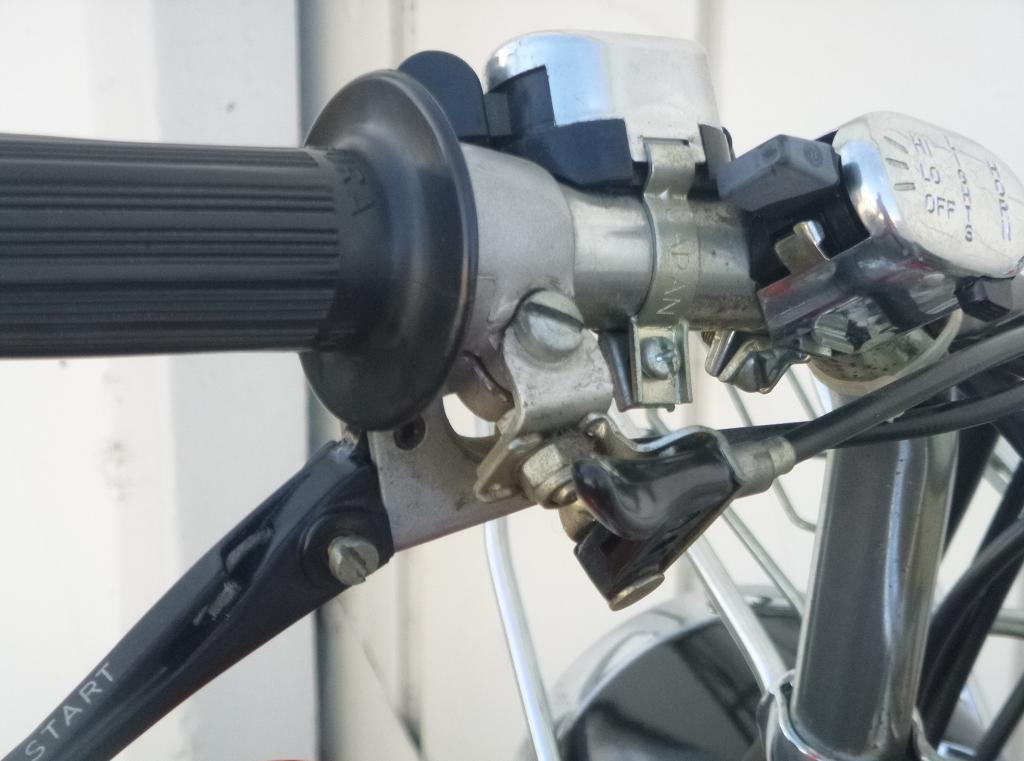
  • Controls: Magura wrap-around throttle with choke trigger right thumb and front brake right hand, Magura left start/brake lever assy (with decomp trigger left thumb on 508), start lever under bar left fingers and rear brake left hand.

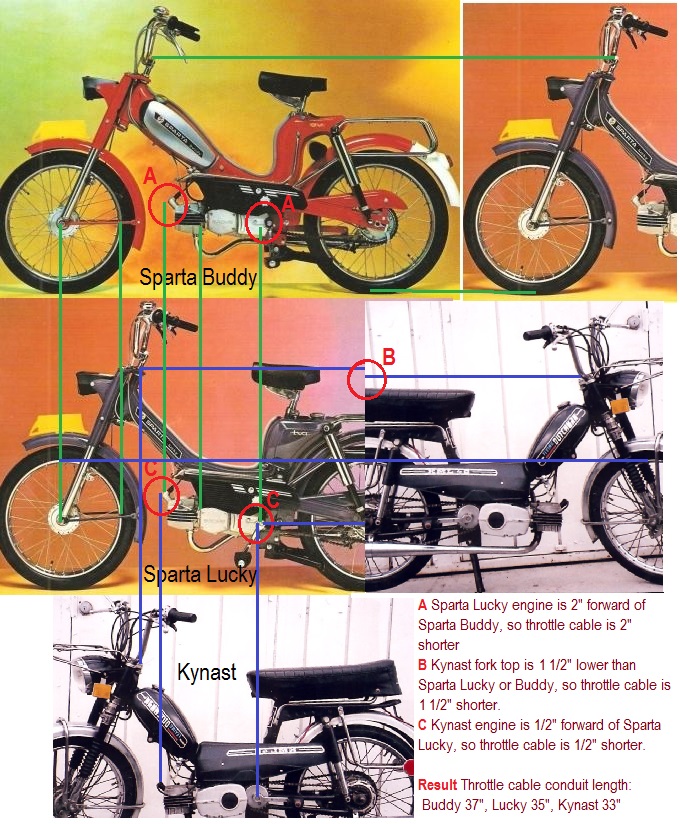
Throttle cable length estimation from photos


Kynast throttle cable: Kynast throttle cable is shorter than other Sachs throttle cables, because the frame is slightly smaller. Kynast handlebars are 2 inches closer to the engine than Sparta Lucky (rear tank). Sparta Lucky handlebars are 2 inches closer than Sparta Buddy (front tank). 

Kynast brake cables: Kynast rear brake cable has clevis clamp (exactly the same as Hercules and AMF).


Kromag (Sears Free Spirit and JC Penney)

July 12, 2012

Contents:  1. Kromag   2. Sears Free Spirit   3. JC Penney  


Austria

1. Kromag

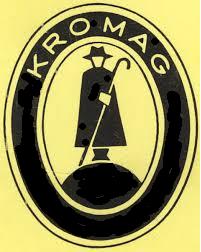
Welcome. Kromag Metallindustrie AG was an Austrian metal products company. The name comes from the metals chromium and magnesium. The logo is a metallurgist wearing a fire suit stirring a vat of molten metal with a long cane.

Kromag made the Sears Free Spirit and the J.C. Penney Pinto and Swinger. These department store mopeds were intentionally without manufacturers names or logos to hide the identity. 

Kromag is not KTM. Kraftfahrzeuge Trunkenpolz Mattighofen is KTM. The craft shop in Mattinghofen, Austria was founded in 1934 by engineer Hans Trunkenpolz. Motorcycle production began in 1954.

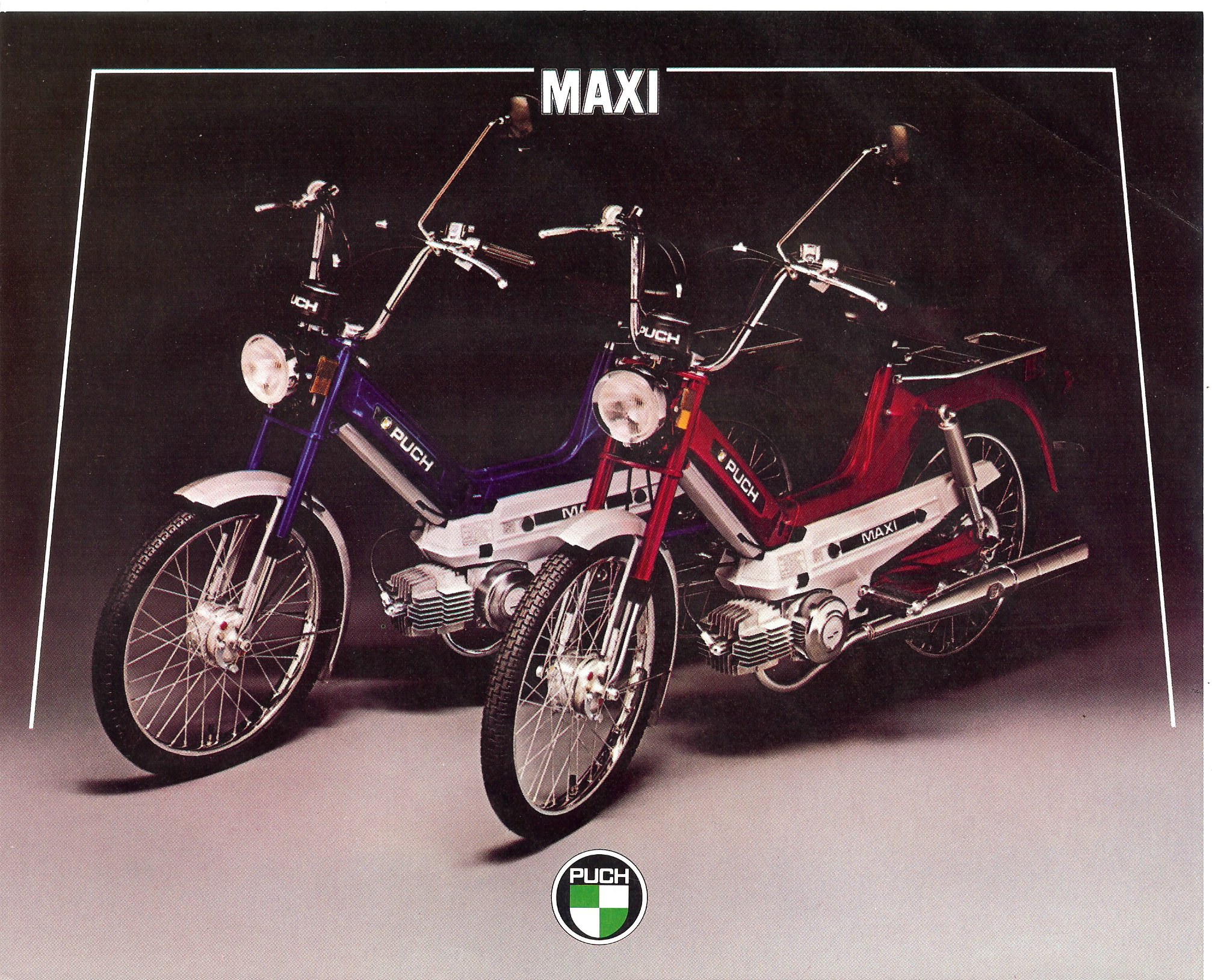
1978 Puch “plain” Maxi

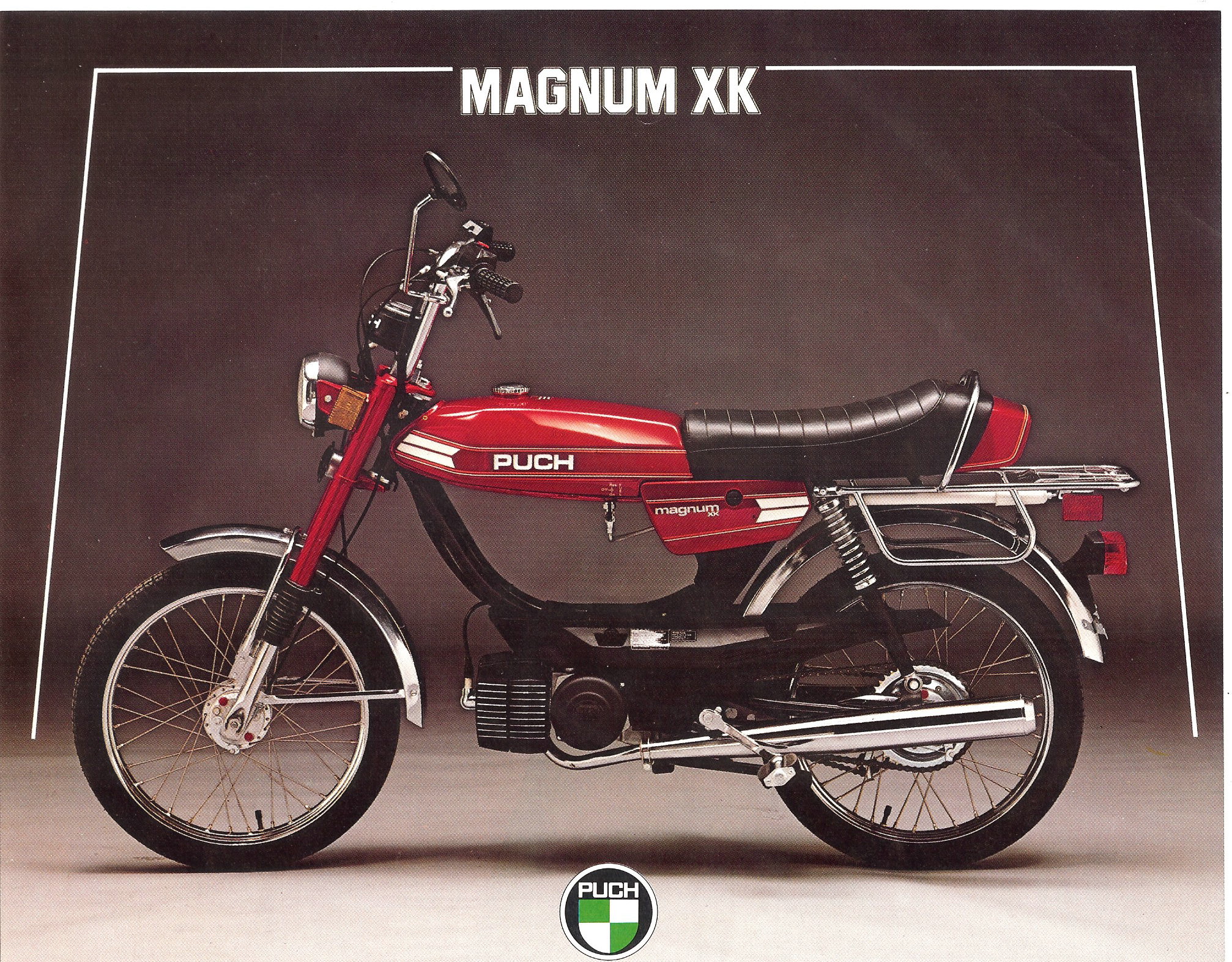
1978 Puch Magnum XK

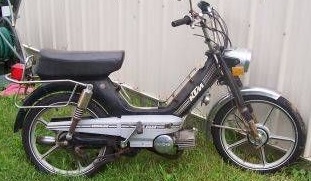
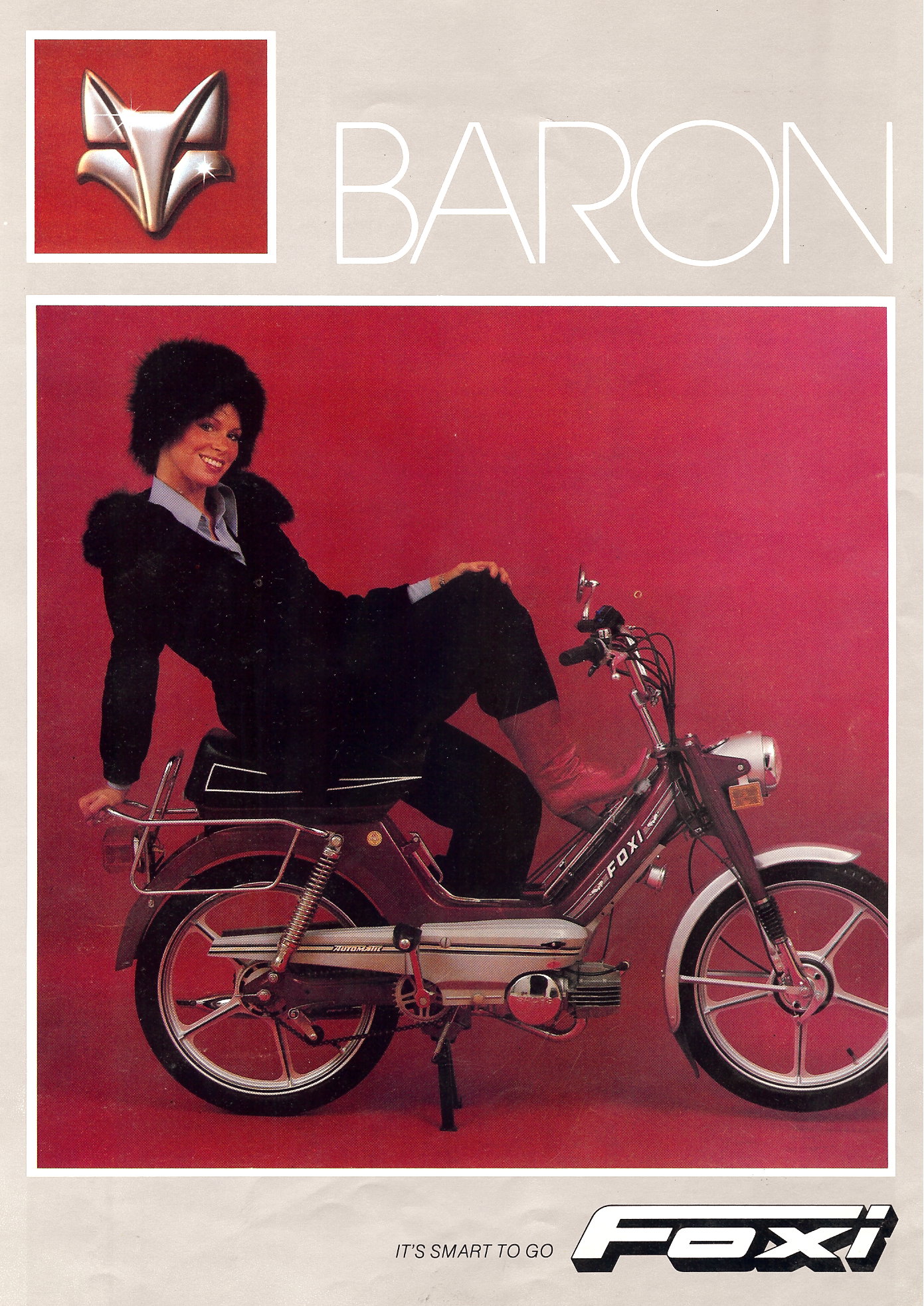
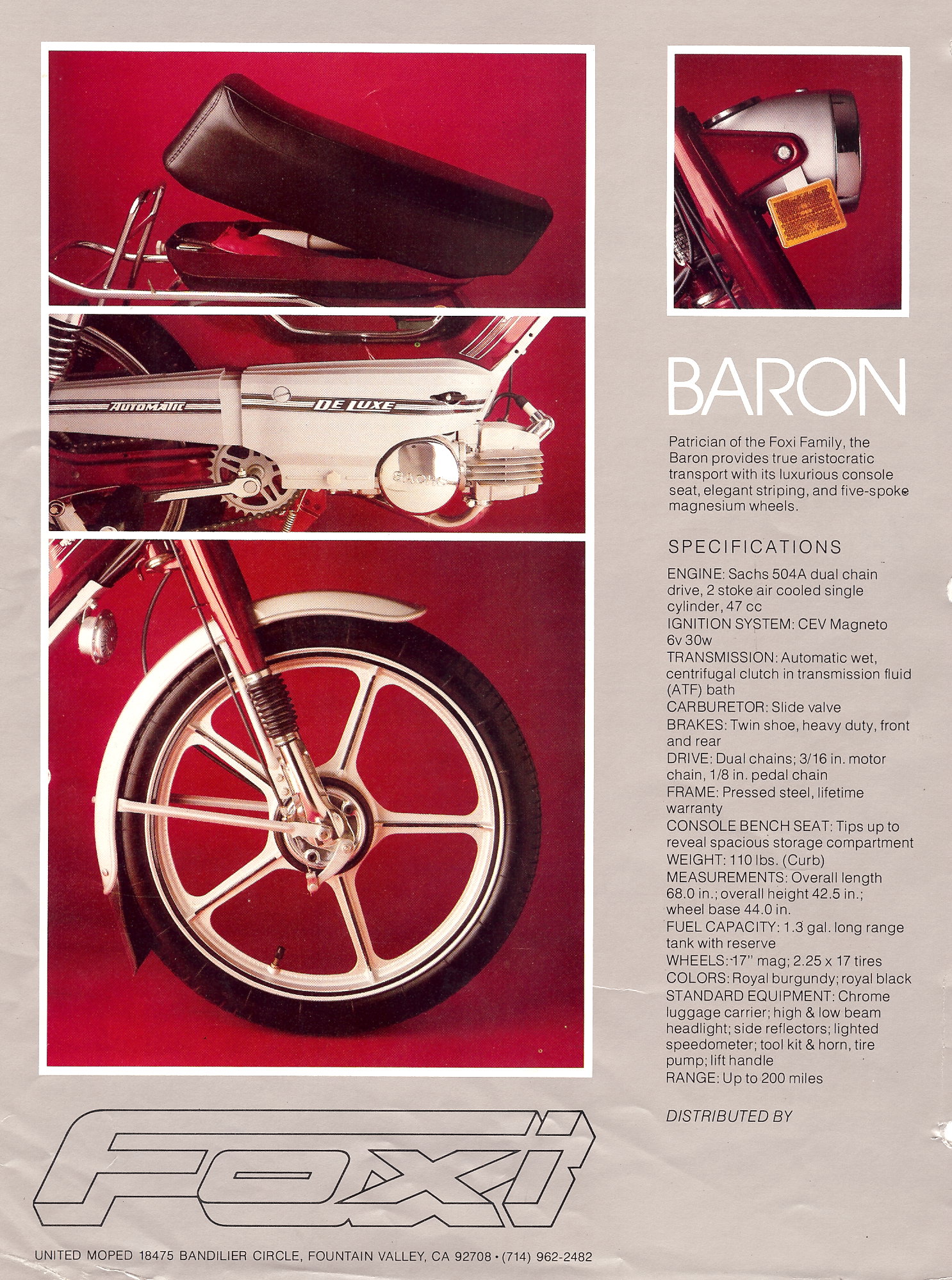
KTM made the Foxi Deluxe, Foxi Salzburg, and Foxi Baron. All of the Austrian frames, Puch, Kromag, and KTM are made for Puch engines, but the KTM has a Puch-to-Sachs adaptor bracket for the Sachs 504 engine.

Kromag is like Puch. They are both made out of the same ingredients, but combined in different ways. At right are the Puch models that share the same components as Sears Free Spirit or JC Penney Pinto.


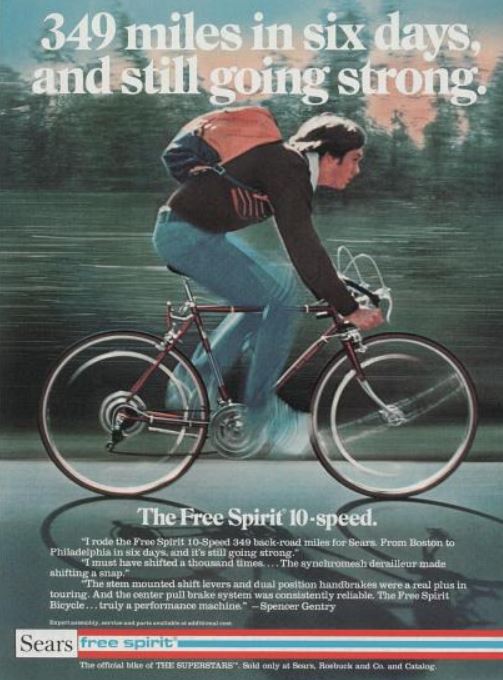
1976 Sears ad

2. Sears Free Spirit

In the 1970’s the famous American department store sold a line of bicycles and wheeled goods called “Free Spirit”.

In 1978-80 Sears sold three moped models, all made by Kromag in 1978. Two of the models came in three speed versions, to make a total of 7 Free Spirit versions. The bikes did not have any model names or decals, other than “Free Spirit” on the back of the seat. Over the years this has caused some to be called by the wrong name.

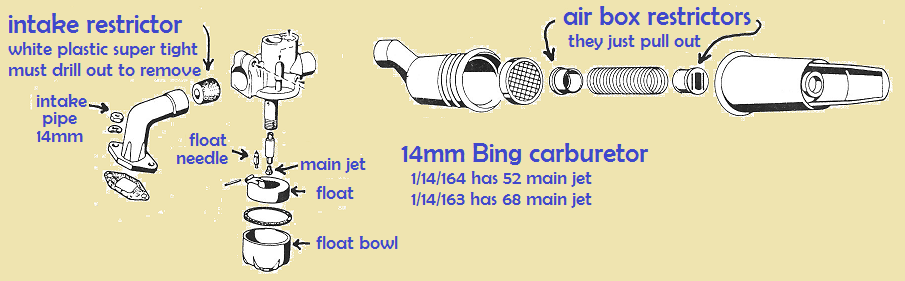
Free Spirit Components: All Free Spirits have the Puch E50 one-speed engine with all-aluminum-cylinder, like a “plain” Maxi. All have Bing “round” 14mm carbs (1/14/163 and 1/14/164), and Bosch 6-wire “external ignition ground” magneto (0212-024-043), and Puch electrical wiring (where the horn wires can cause the engine to not run). All have ULO 250 2-bulb tail lights, and 0.9 gallon detachable gas tanks with 40mm quarter turn gas cap, like a Magnum. All have Magura “wrap-around” controls like a “plain” Maxi. All have Magnum-type steering (headset) cups and bearings, and Magnum-type engine covers (chain guards), unlike a Maxi. 

Free Spirit Models

1978 Sears Free Spirit “Deluxe”
8086 (2.0 hp), 8085 (1.5 hp), 8084 (1.0 hp)


2.25 – 17 tires, wide-rim aluminum wheels, Grimeca

silver color only, longer travel suspension, weight 112 lbs

center stand length is same as Magnum

fork lock, speedometer (Maxi type mount), long solo seat

chrome wide fenders, ULO headlight

Grimeca 11mm all-thread axles, loose balls and cones

Grimeca 90mm diameter drum brakes


1978 Sears Free Spirit

1978 Sears Free Spirit “Standard”
8083 (2.0 hp), 8082 (1.5 hp), 8081 (1.0 hp)


2.00 – 17 tires, thin-rim spoke wheels, Leleu hubs

red color only, shorter travel suspension, weight 97 lbs

center stand length is between Maxi and Magnum

no fork lock, speedometer (headlight mounted), long solo seat

painted thin fenders, CEV “bullet” headlight

Leleu 11mm front, 12mm rear axles, loose balls and cones

Leleu 80mm diameter drum brakes


1978 Sears Free Spirit “Hard Tail”
8080 (1.0 hp) only


2.00 – 17 tires, thin-rim spoke wheels

blue color only, no suspension, weight 92 lbs

center stand length is between Maxi and Magnum

no fork lock, no speedometer, solo seat

painted thin fenders, ULO headlight, no luggage rack

Leleu 11mm front, 12mm rear axles, loose ball and cones

Leleu 80mm diameter drum brakes


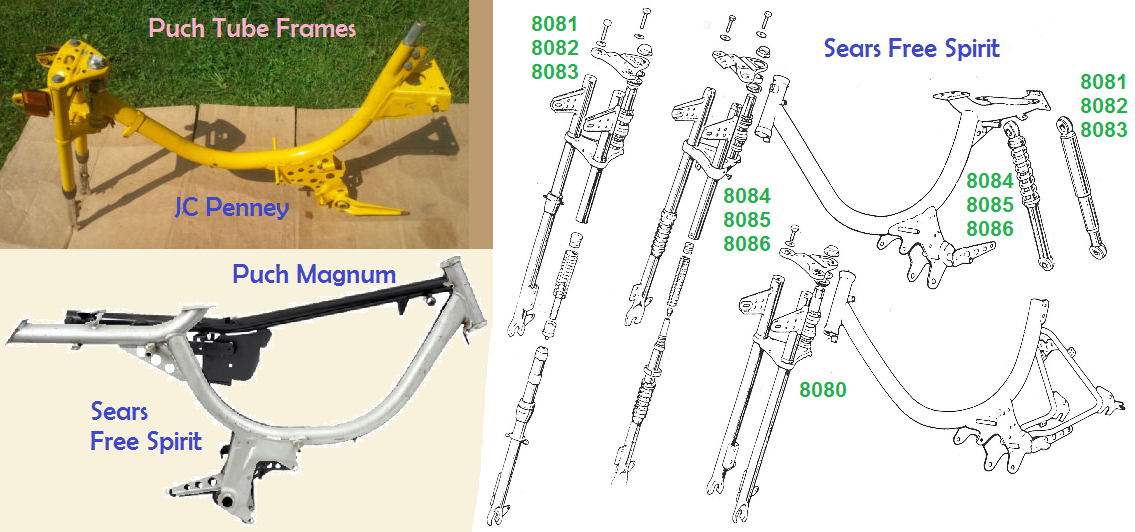
Free Spirit Frames

Puch, Sears, and JC Penney tube frames


Free Spirit Speed Versions

All three speed versions have the same engine, same primary drive 21 x 106T, same 14mm carburetor, same piston, cylinder, and head gasket.

30mph 2.0hp:   no intake restrictor, no air box restrictors, Bing #68 jet, 15 x 45T sprockets, same exhaust

25mph 1.5hp: 8.5mm intake restrictor, air box restrictors, Bing #52 jet, 13 x 45T sprockets, same exhaust

20mph 1.0hp: 6.7mm intake restrictor, air box restrictors, Bing #52 jet, 13 x 45T sprockets, restricted header


3. JC Penney

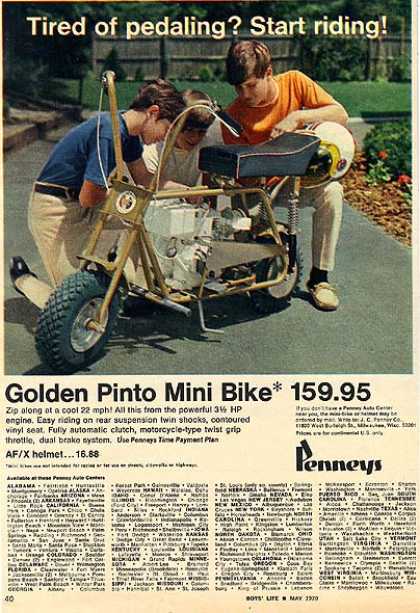
1970 Golden Pinto Mini Bike
ad from Boys Life magazine

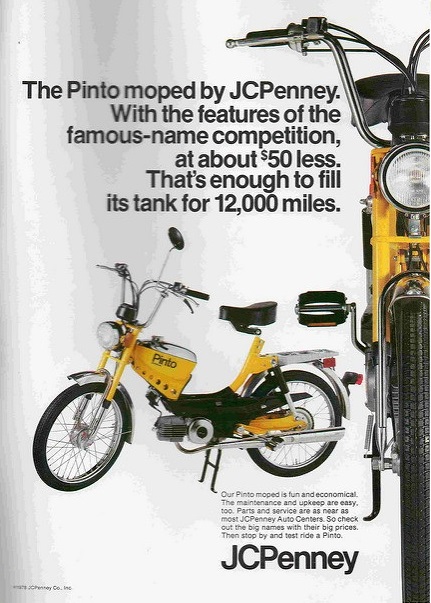
The famous department store sold mini-cycles in the 1960’s and 70’s. In the 1970 ad the name was “Penneys” but in the 1978 ad it was “JC Penney”. So the official name changed in that period.

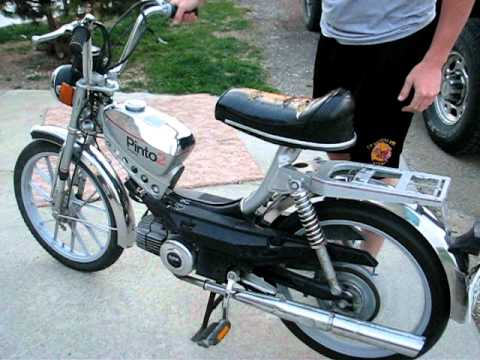
Pinto: A pinto is not just a horse with large white areas. One of the models Penneys sold was this Golden Pinto Mini Bike, for $159. So the name Pinto was used on mini-cycles years before it was on mopeds. Of course, the 70’s also had millions of Ford Pinto automobiles. 

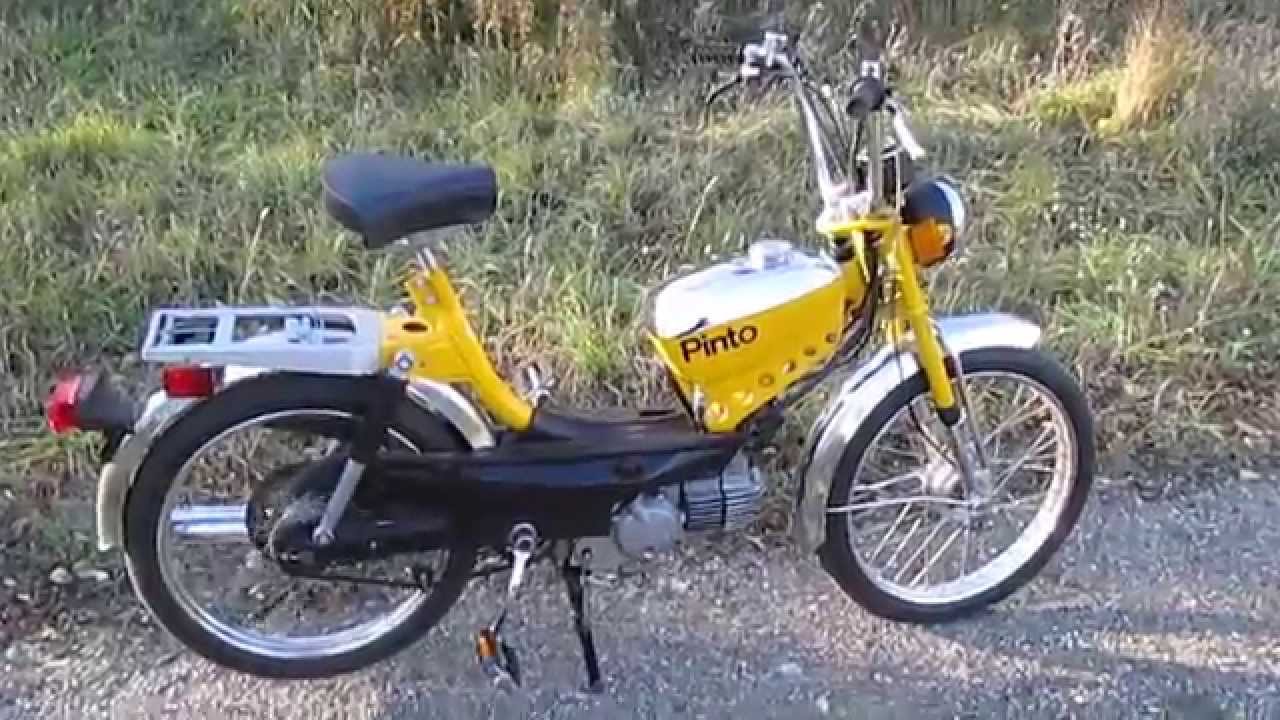
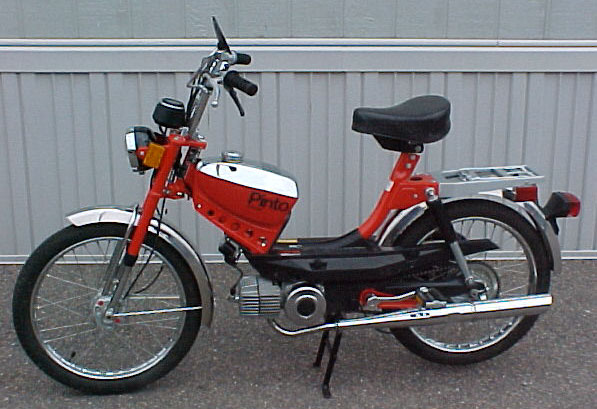
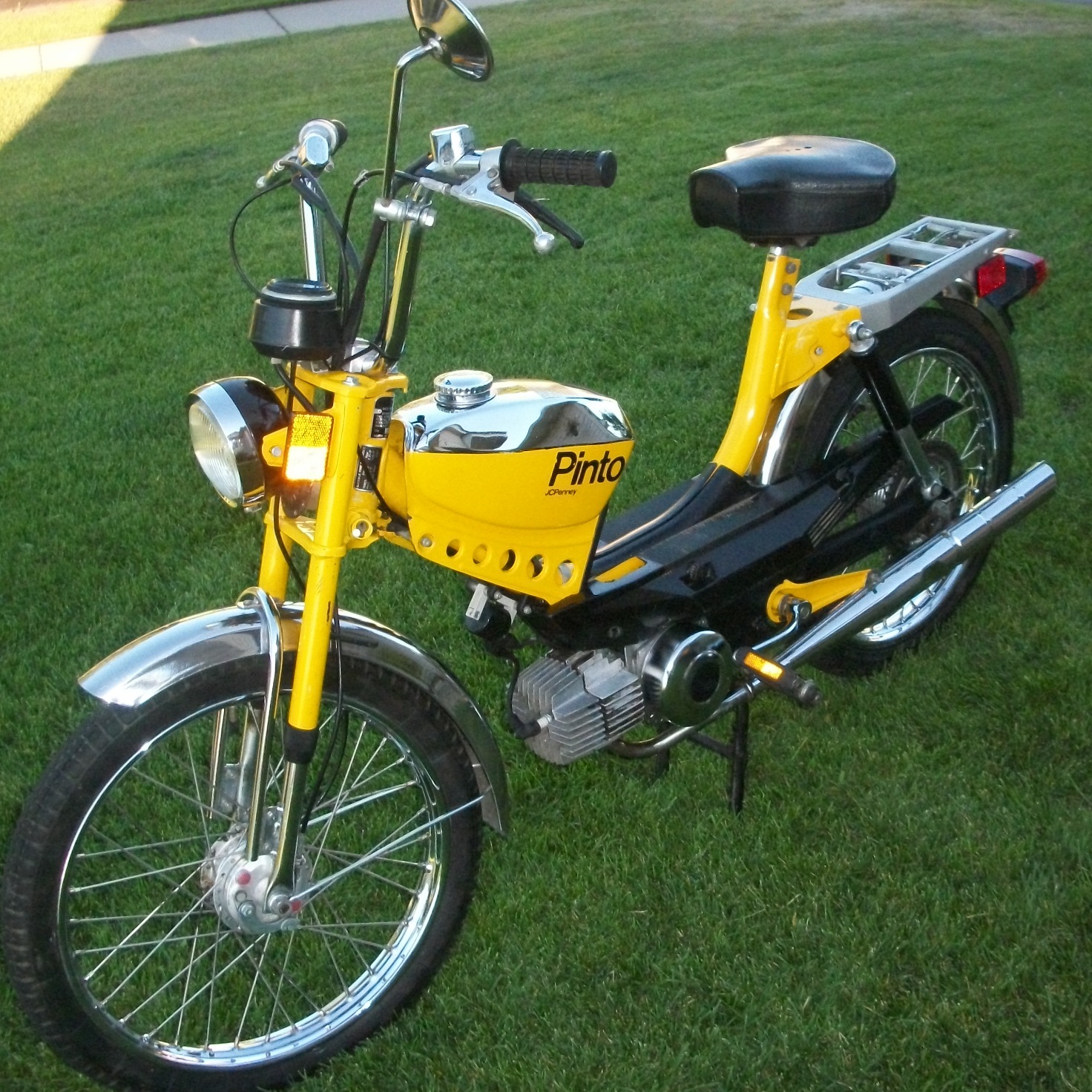
A Pinto is also a 1978-79 moped, made in Austria by Kromag. Somehow both Sears and JC Penneys, competitors, were made by the same maker. Both concealed the identity, of the bike and many of the components, and re-branded them with their own name.

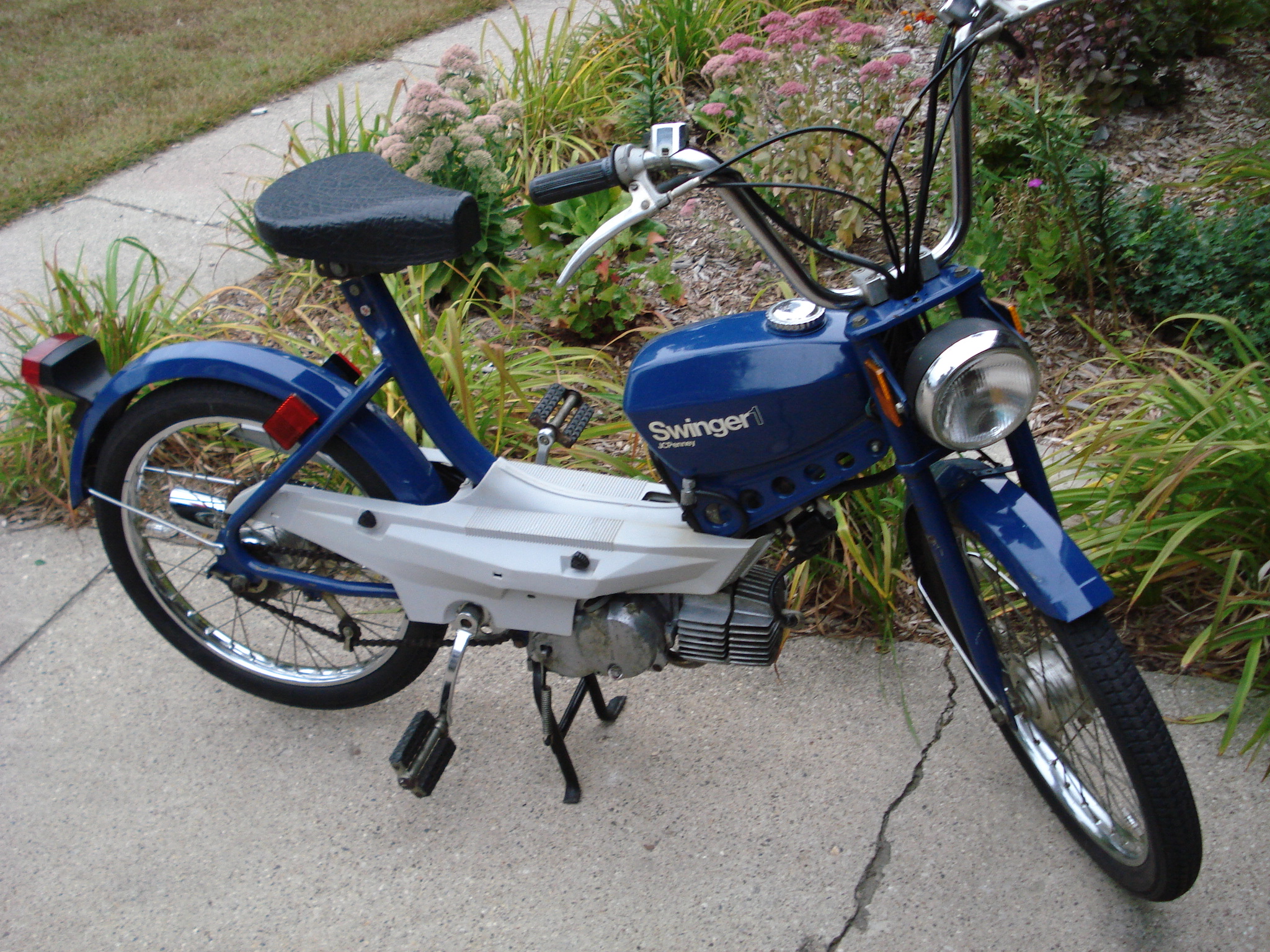
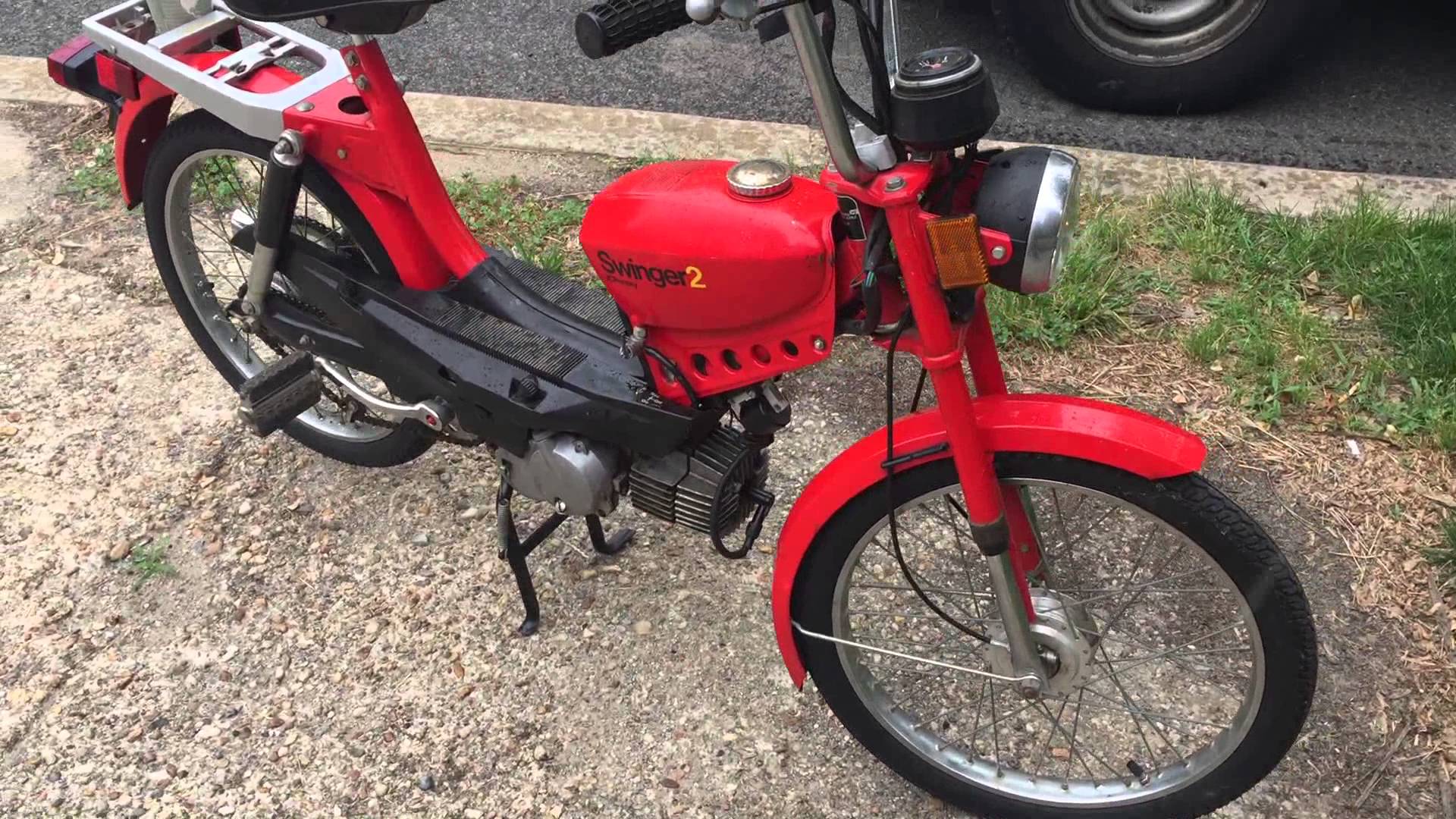
Swinger was the Penneys 1960’s to 70’s line of childrens bicycles, 20″ tires with banana seats.

Kromag is closely related to Puch, because much of their equipment is identical. Different parts of the 1978-79 JC Penney models are also on different Puch models, but not all at once.

Pinto components: The fork and fenders are the same as (or from) a 1978-79 Puch Maxi Sport or Sport MkII, the Leleu spoke wheels are from a 1978-79 Puch Maxi Luxe, the Puch E50 motor, Bing carburetor, Bosch magneto, Merit switches, Magura controls, ULO tail light and seat are from a 1978-79 Puch Maxi, the side covers and ULO headlight (most) are from a 1978-79 Puch Magnum.

Swinger components: The fork, fenders, Leleu spoke wheels, Puch E50 motor, Bing carburetor, Bosch magneto, Merit switches, Magura controls, ULO tail light, CEV head light (most) and seat are the same as (or from) a 1977-78 Puch Maxi. The side covers and ULO headlight (some) are from a 1978-79 Puch Magnum.

Look for these and other component parts in the separate components sections, like spokes, brakes, tires, bulbs, etc.


1978 JC Penney Ad

1978 JC Penney Pinto


1978 JC Penney Pinto


1978 JC Penney Pinto


JC Penney Models

The Pinto (1-speed) had spoke wheels, wide rims, 2.25-17 tires, and came in safety colors, orange or yellow. 

The Pinto 2 (1-speed) had aluminum “snowflake” wheels, 2.25-17 tires, long solo seat, came in silver or black. 

Pintos were deluxe models with chrome fenders, and an all-chrome gas tank, but with the lower half painted.

Swingers were economy models with thinner rims, painted fenders, and painted gas tank. 

The Swinger 1 (1-speed) had spoke wheels, thin rims, 2.00-17 tires, no suspension, no rack, and was dark blue.

The Swinger 2 (1-speed) had spoke wheels, thin rims, 2.25-17 tires, and came in safety colors, orange or yellow. 


1978 JC Penney Pinto 2

1978 JC Penney Pinto 2


1978 Swinger 2


1978 JC Penney Swinger 1
(same frame as Sears Free Spirit 8080)


1978 JC Penney Swinger 2


JC Penney Speed Versions

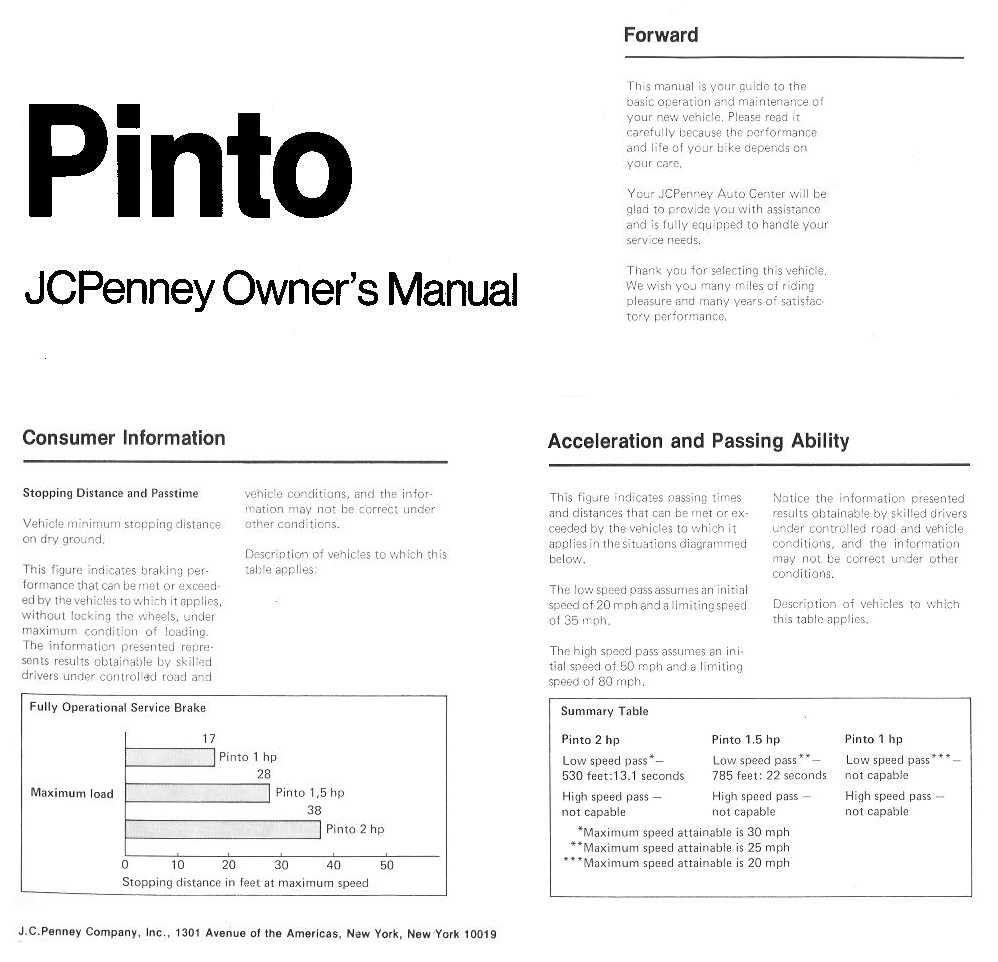
JC Penney owners manual, selected pages

There are not any parts or service manuals for JC Penney in Myrons Mopeds library. Service and parts were obtained through JC Penney Auto Service Centers only, not from independent moped shops.

Here are 5 pages from the 36 page owners manual. The lower part is the Acceleration and Passing Ability (Inability actually) information for consumers. This is the only evidence and information about the three speed versions, 1.0 hp (20mph), 1.5 hp (25mph) and 2.0 hp (30mph).

It is easy to assume that JC Penney mopeds have the same power restriction equipment as Sears Free Spirit mopeds, since they are 90% the same. 

This will be updated or verified when proof becomes available.


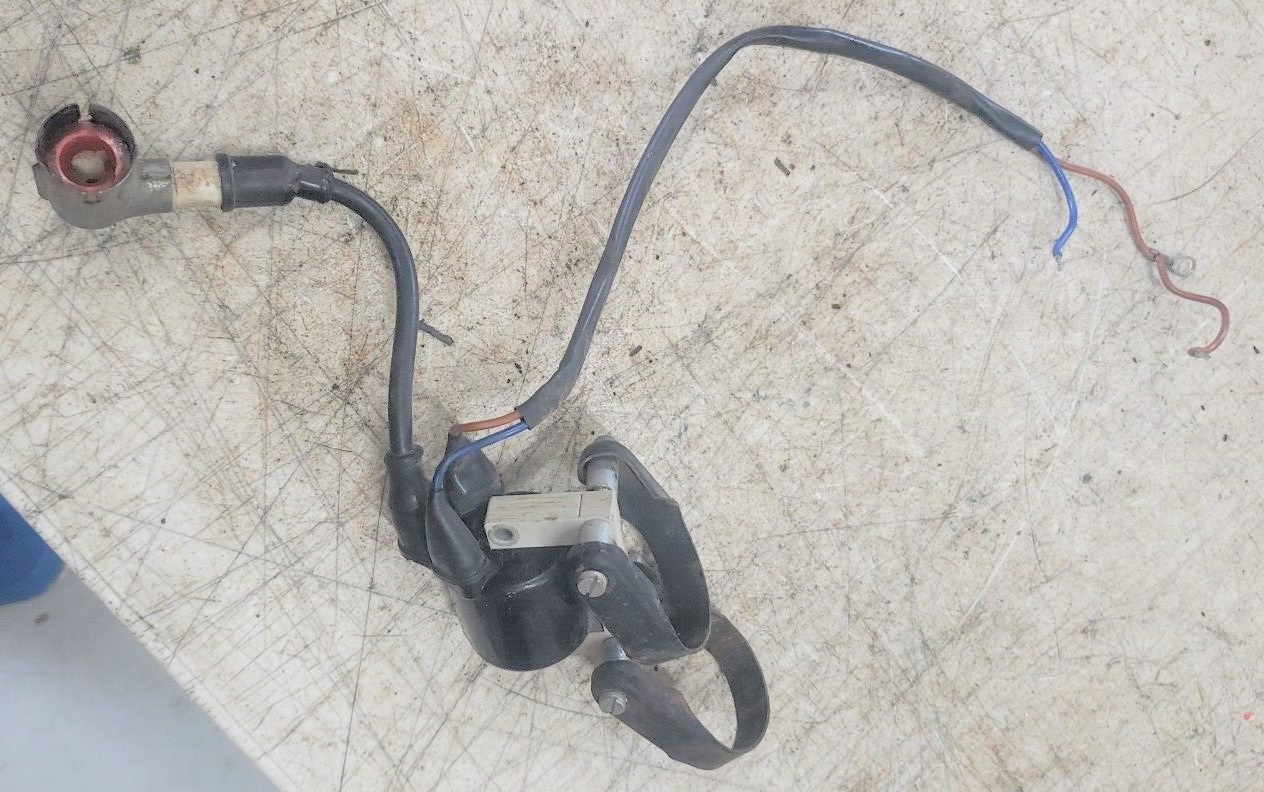
JC Penney coil mount clamps


KTM Parts

July 12, 2012

updated 2021-08

Contents:
1. KTM History
2. 1968-72? KTM Hobby     Sachs 502/1
3. 1970-73? KTM Hobby II  Puch E50
4. 1974-79? KTM Hobby III Puch E50 Z50
5. 1980-85? KTM Hobby     Puch E50
5. 1983-91? KTM Duo xxx  Puch Z50
6. 1985-88? KTM Hobby A  Morini M1P M1K
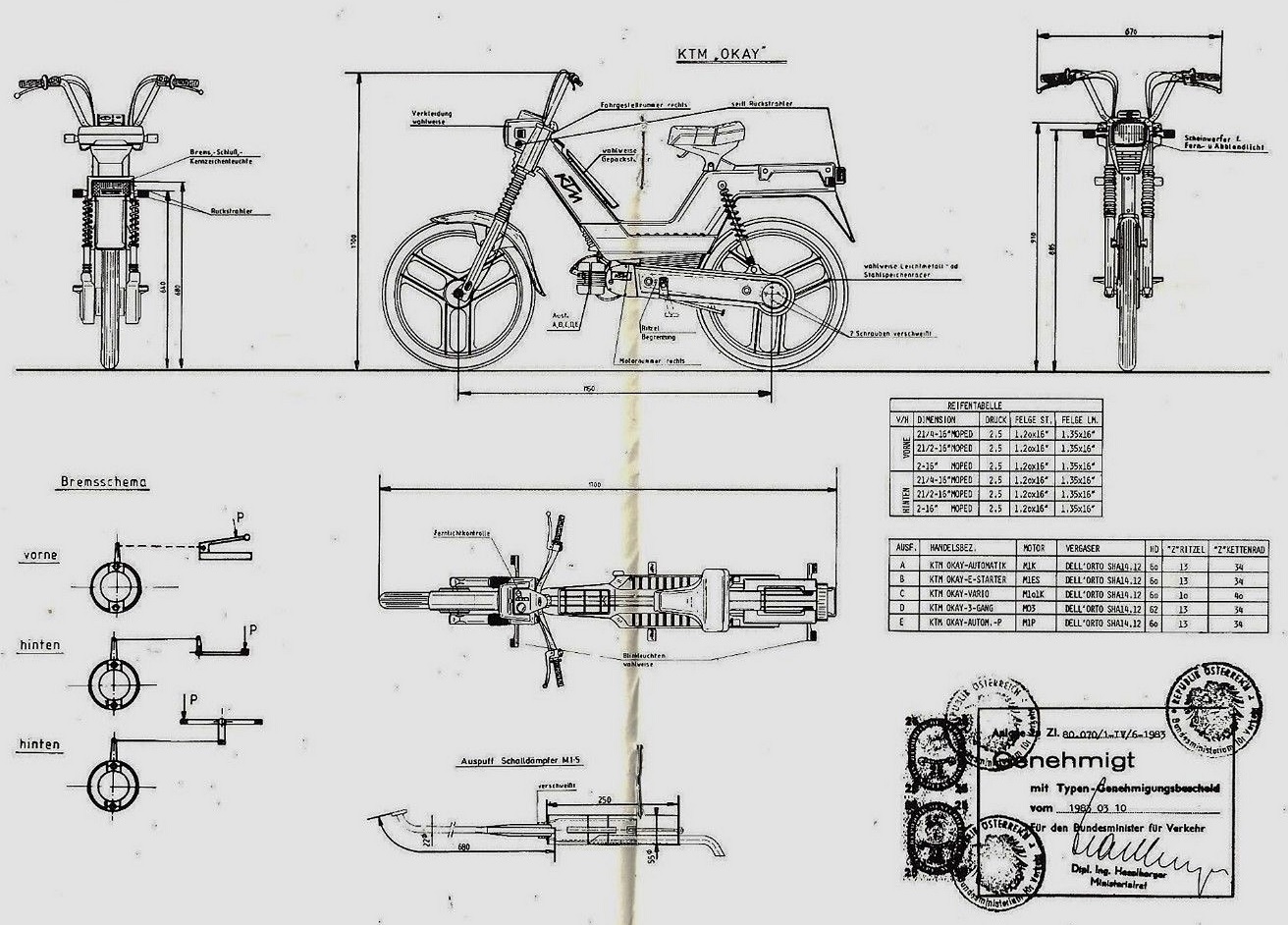
7. 1983-91? KTM Okay xx  Morini M1P M1K M1ES M101K MO3
7. 1986-91? KTM Quattro  Morini MO4
7. 1974-85? KTM Foxi        Sachs 504/1A 505/1A, 1D, 2BX, 3BX
7. 1979-85? KTM Pony       Sachs 505/1A, 1D, 2A, 3A
8. 1992-05? KTM
Foxi        Sachs 504/??
9. 1976-78? Foxi (US)        Sachs 504/1A, 1D
8. Links to Parts (US)


Purpose: To learn what parts on unfamiliar mopeds are the same as on familiar ones.

Sources: From KTM Moped Hobby III and DataBikes KTM All Models and Moped Army


1. KTM History

KTM: Kraftfahrzeuge Trunkenpolz Mattighofen (Craft shop of Trunkenpolz in Mattighofen, Austria) was founded in 1934 by engineer Hans Trunkenpolz. Motorcycle production began in 1954. 


KTM History 1960 to 1992   from ktm-moto.lv

1963: The Comet moped is introduced and in 1966 the 10,000th Comet rolls off the line.

1968: The cross-country Penton Six Days dirt bike is produced and exported to the US.

1970: KTM begins producing its own engines. (Previously, most had Sachs motors.)
          New 250cc motocross bike is developed.
1974: Production of the KTM Hobby III begins.
1975: KTM introduces the road model Comet Grand Prix 125 RS

1978: KTM America Inc. established in Lorain, Ohio. 50cc product range extended

1981: Production of first water-cooled 125cc motocross bikes.
          Motocross models outfitted with new Pro Lever rear suspension.
          Company develops its first 4-stroke engine with water cooling.

1986: KTM becomes the first to offer front and rear disc brakes on an off-road machine.

1988: KTM stops production of scooters.

1991: KTM files for bankruptcy.
          The company is split into four arms – radiators, motorcycles, bicycles and tooling.

1992: Newly formed motorcycle division opens – KTM Sportsmotorcycle GmbH.


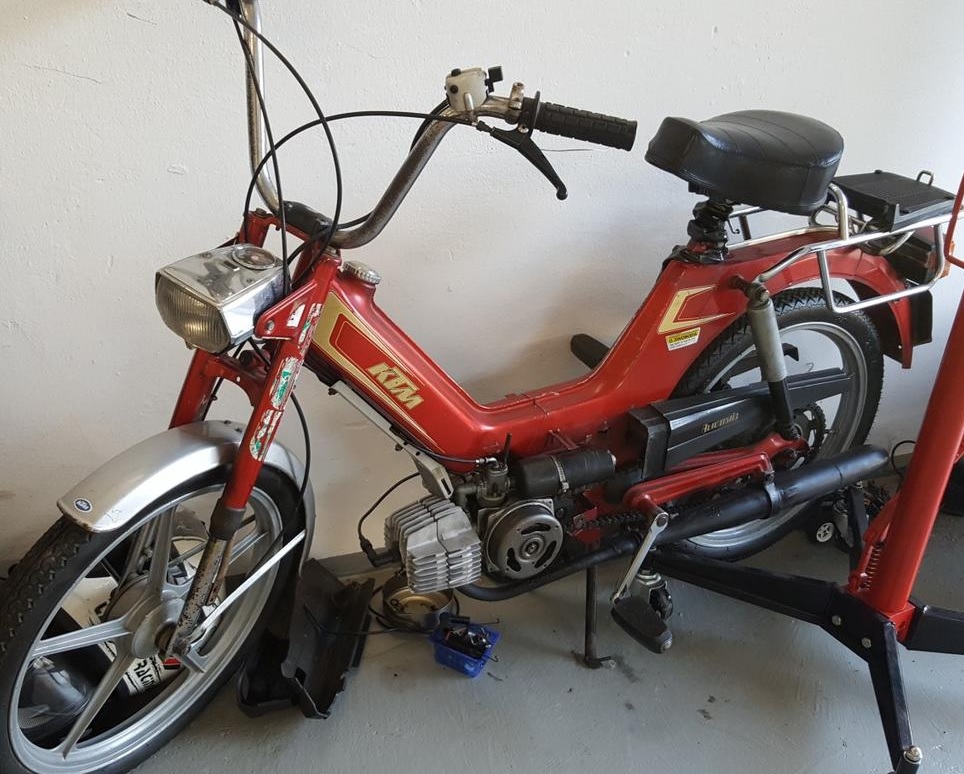
2. 1968-72 KTM Hobby

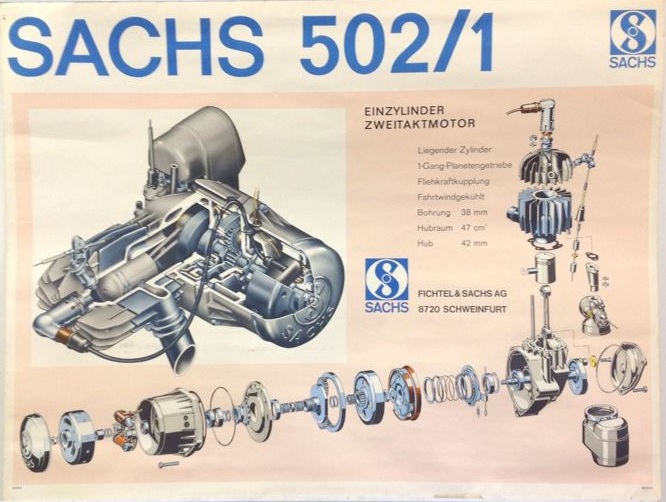
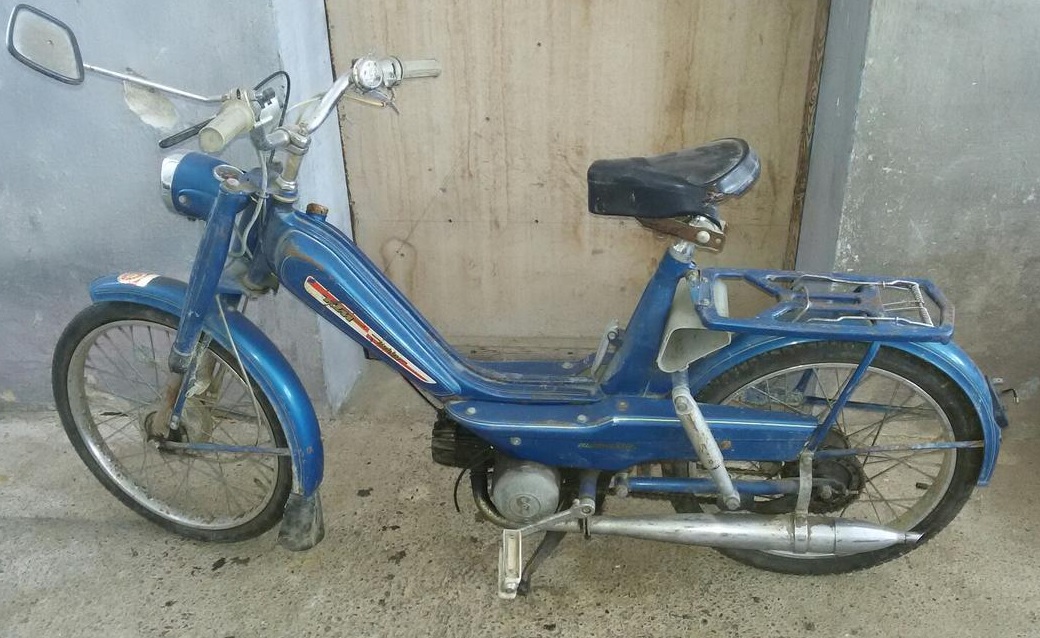
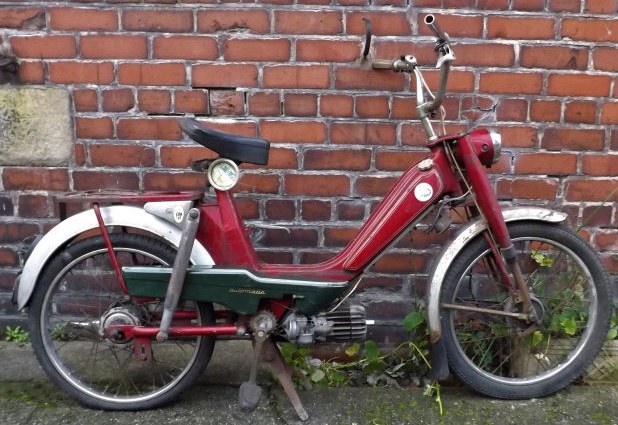
1968-72 KTM Hobby was launched in 1968. It had a Sachs 502/1 engine, a 50cc one-speed automatic. The automatic clutch engine was revolutionary. Most other mopeds at the time had a hand-operated manual clutch. There was a 40 km/h moped version and a 25 km/h mofa version that did not require a license. Thousands of Austrian teens found freedom and convenience on the Hobby.

Cables: There were 3 cables, throttle, front brake and start. There was no rear brake hand lever or cable. 

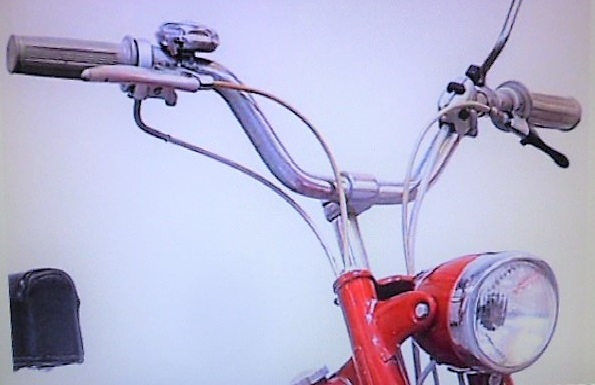
Controls:60’s Magura with threadless-bottomed brake and start cable holes.

1968-72 KTM Hobby Automatic

Sachs 502/1 engine

1969 Hobby controls


1969 KTM Hobby

1972 KTM Hobby

1969 front brake


3. 1970-73 KTM Hobby II

1970-73 KTM Hobby II debuted in 1970. It had a Puch E50 “low torque” engine, a 50cc one-speed automatic (Ein gang automatik 50), which debuted in 1969. “The engine build in Graz was considered for the Austrian in-country models and with 2,2hp and one speed gearbox it was similar to the old-fashioned looking Sachs engine. While the red-silver de luxe model was equipped with a legshield as protection against the weather, the standard bike was recognizable on the blue-silver varnish.”  The all-aluminum cylinder had 7 side fins. The exhaust was on the left. Tires 2.00-17.

Cables: There were 3 cables, throttle, front brake and start. There was no rear brake hand lever or cable.

Controls: 70’s Magura (open type throttle) with threaded-bottomless brake and start cable holes.

1970-72 KTM Hobby II

Puch E50 LT 1-speed
all-aluminum cylinder

’70 Hobby II controls


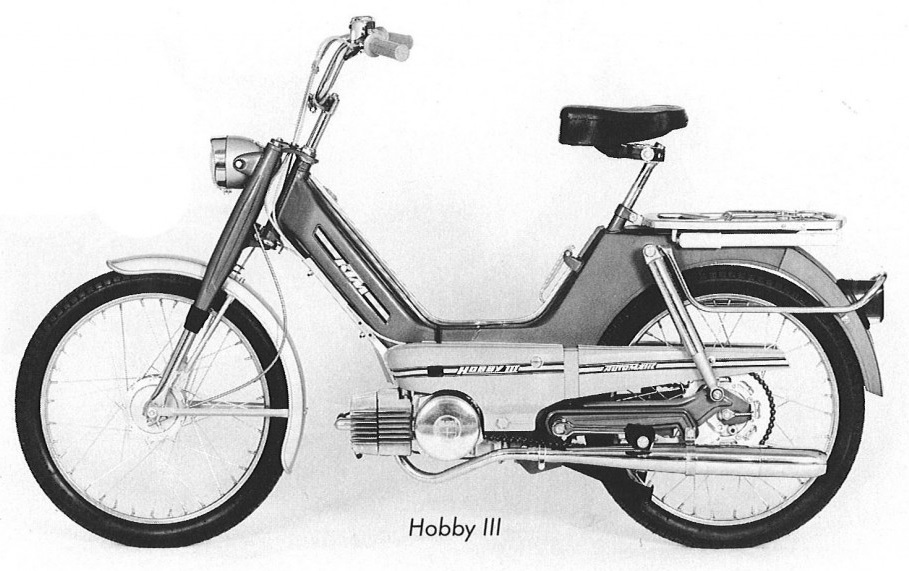
4. 1974-98 KTM Hobby III


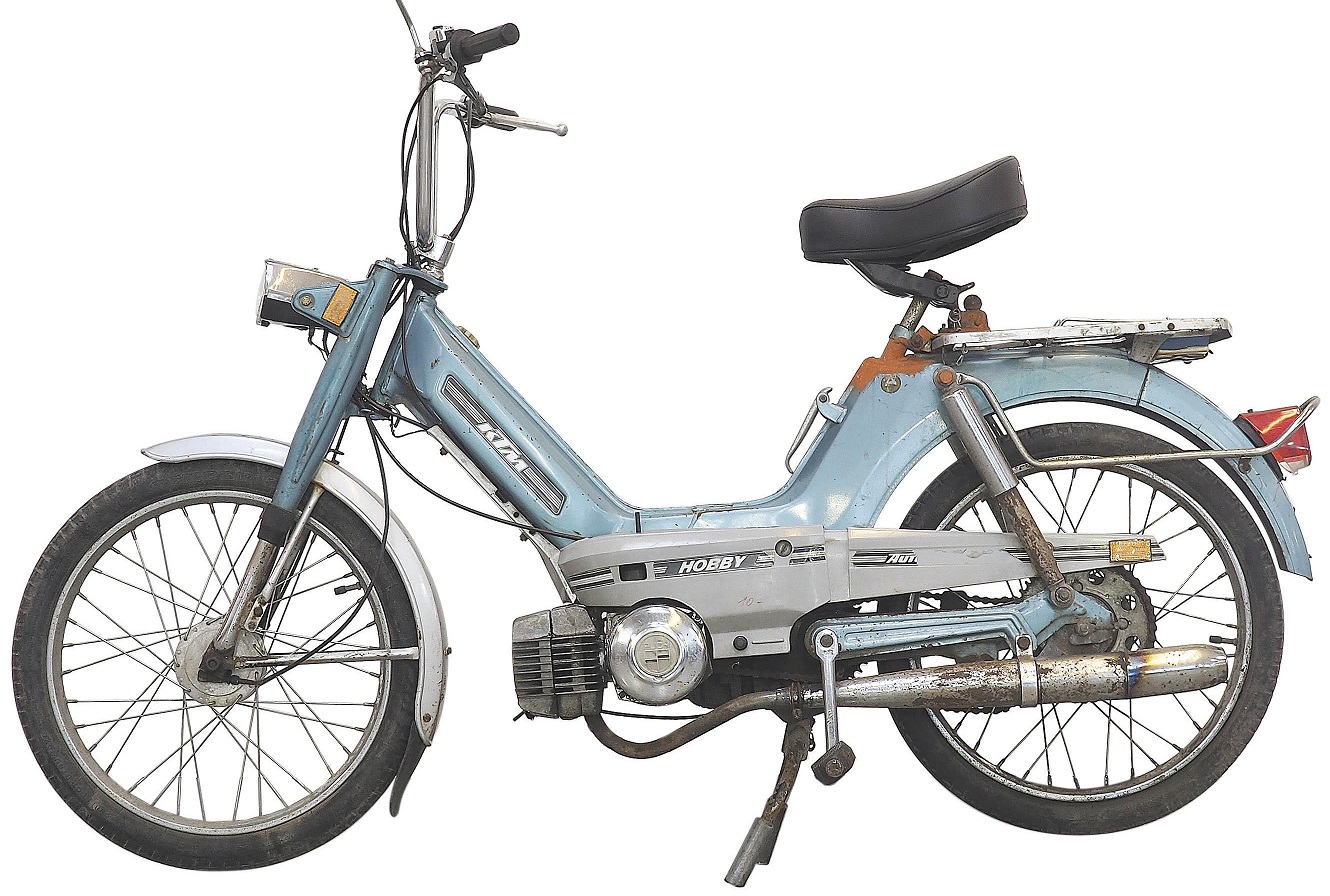
1974-79 KTM Hobby III came out in 1974. It had a Puch E50 “low torque” engine, a 50cc one-speed automatic with all-aluminum cylinder. The front of the frame with gas tank was the same as a Puch Maxi. The exhaust was on the left. Thin rims and 2.00 – 17 tires. 

Cables: There were three cables, throttle, front brake and start. There was no rear brake hand lever or cable.

1974-79 KTM Hobby III

Puch E50 LT 1-speed
all-aluminum cylinder


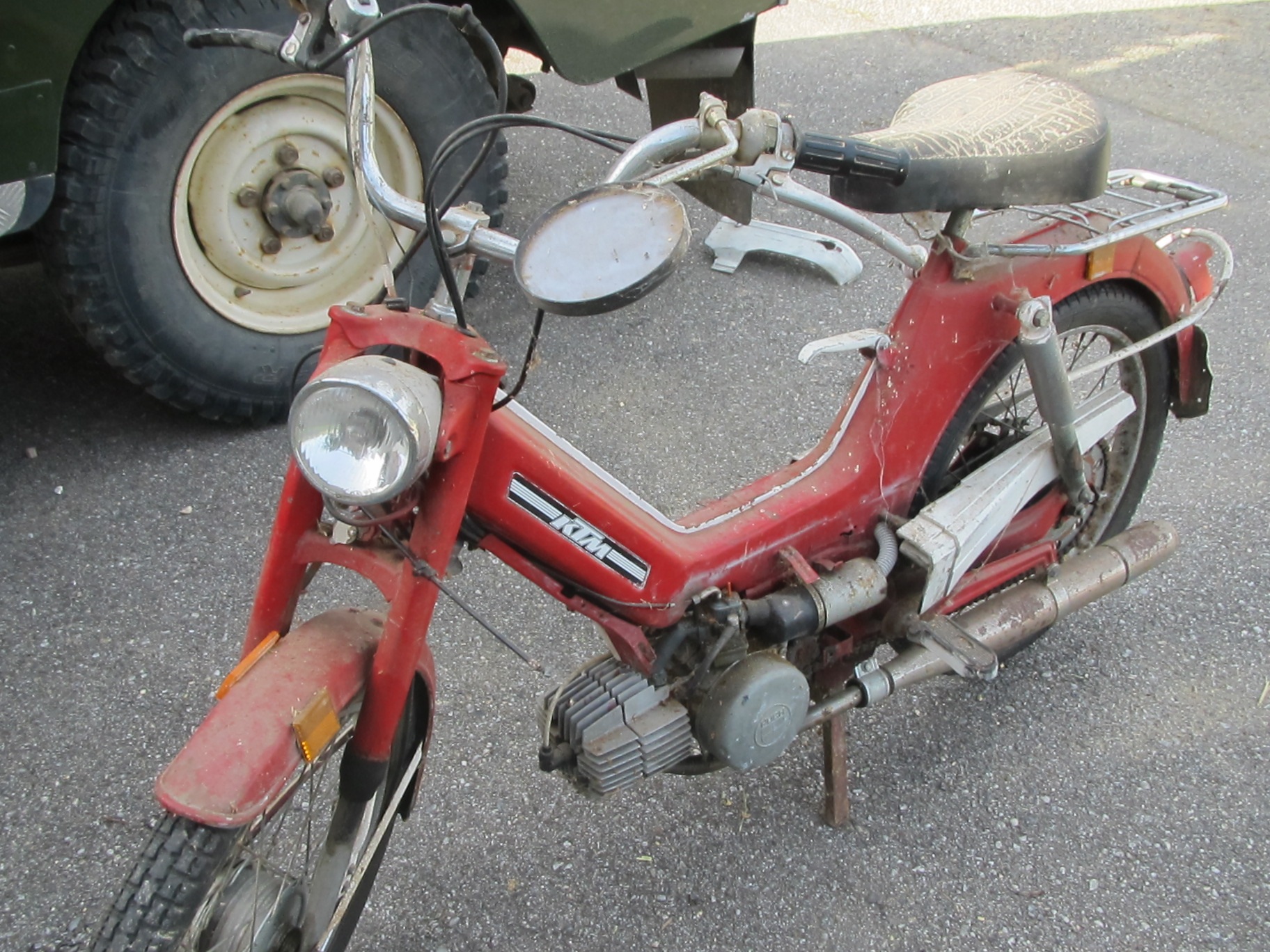
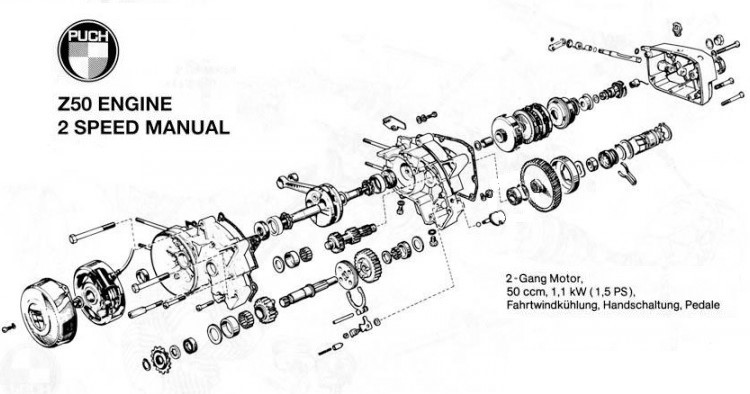
1974-79 KTM Hobby III (Z50)  came out in 1974-75. It had a Puch Z50 2 speed kick start manual shift engine (Zwie gang 50). The exhaust was on the left. The wheels were the same with thin rims and 2.00-17 tires. 

Cables: There were 4 cables, throttle, front brake, rear brake and gear shift. 

1974 KTM Hobby III (2)

Puch Z50 LT 2-speed
all-aluminum cylinder


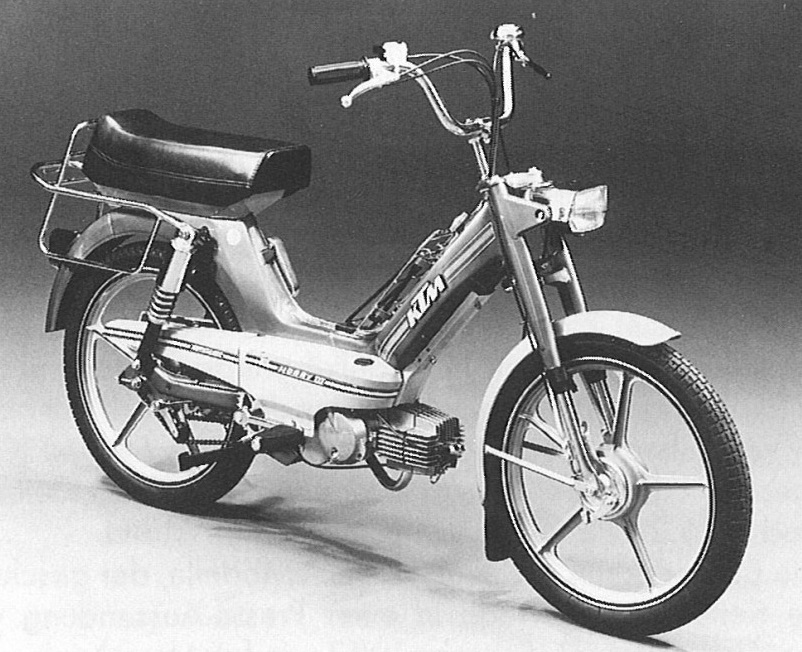
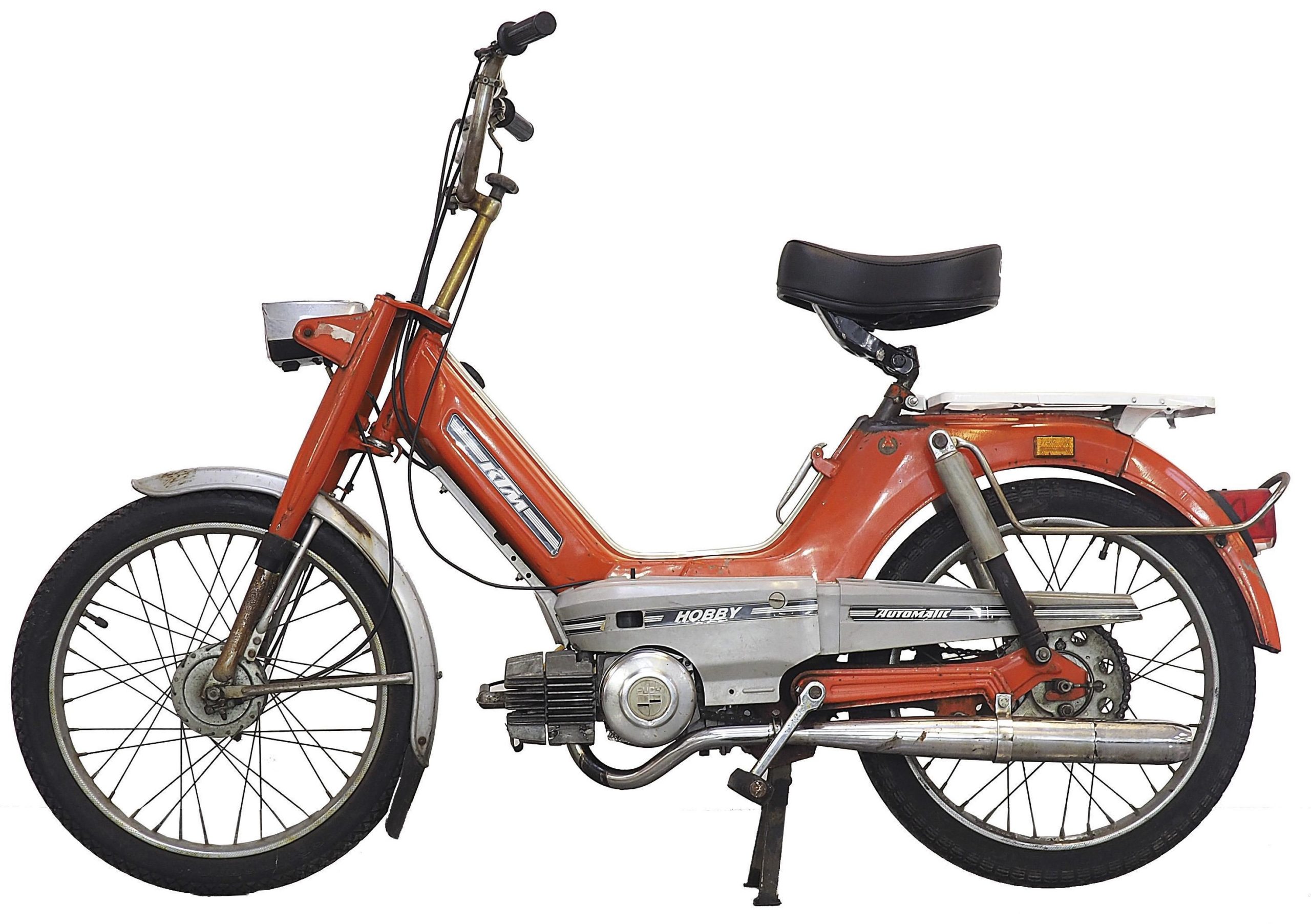
1977-79 KTM Hobby III L had new frame with a wider gas tank. It had a Puch E50 “low torque” engine, left side exhaust, long seat, cast magnesium wheels and a carrier with suitcase mountings. 2.25-17 tires. 

Cables: There were 3 cables, throttle, front brake and start. There was no rear brake hand lever or cable.

1977-78 KTM Hobby III L

Puch E50 LT  1-speed
all-aluminum cylinder

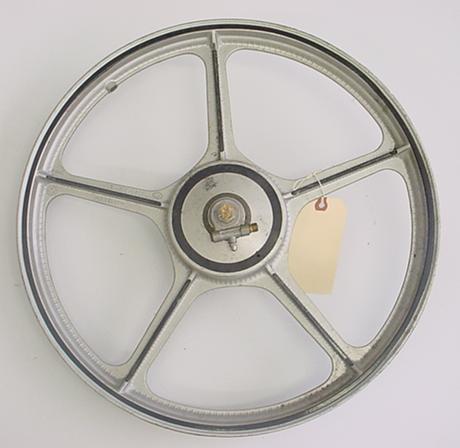
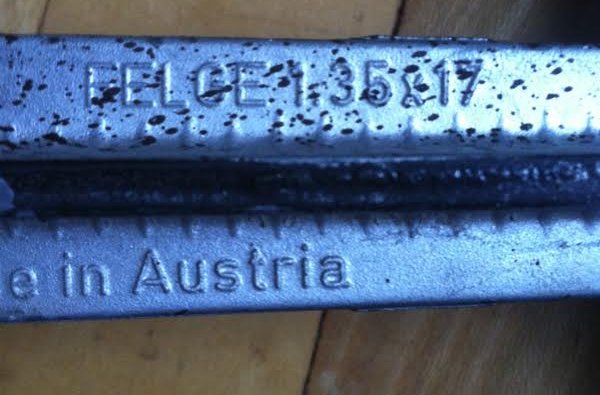
KTM “true mag”

felge (rim) 1.35×17


5. 1980-82 KTM Hobby, 1983-91 KTM Duo

1980-81? KTM Hobby had a Puch E50 LT “lo torque” engine, all-aluminum cylinder.
1981-82? KTM Hobby had a Puch E50 HT “hi torque” engine, steel-sleeved cylinder.

The front of the frame with gas tank was the same as a Puch Maxi. The exhaust was on the left. It had thin rims and 2.00 – 17 tires. 

It was the same as a 1974-79 Hobby III, except the Roman numeral III was eliminated, and the tires were wider 2.25-17.

Cables: There were 4 cables, throttle, front brake, rear brake and start. 

1980 KTM Hobby

1982 KTM Hobby

1981-82? KTM Hobby


1983-88? KTM Duo had a two-person seat, right side exhaust, and a Puch Z50 HT “hi torque” engine Zwei-gang, 2-speed manual-shift. 

Cables: There were 6 cables, throttle, front brake, choke, and start, clutch, shift.

Stickers: Here is where this 80’s KTM sticker set is sold. 

1983-84 KTM Duo

Puch Z50 HT 2-speed
steel-sleeved cylinder


6. 1983-91 KTM Hobby A, Okay, Quattro

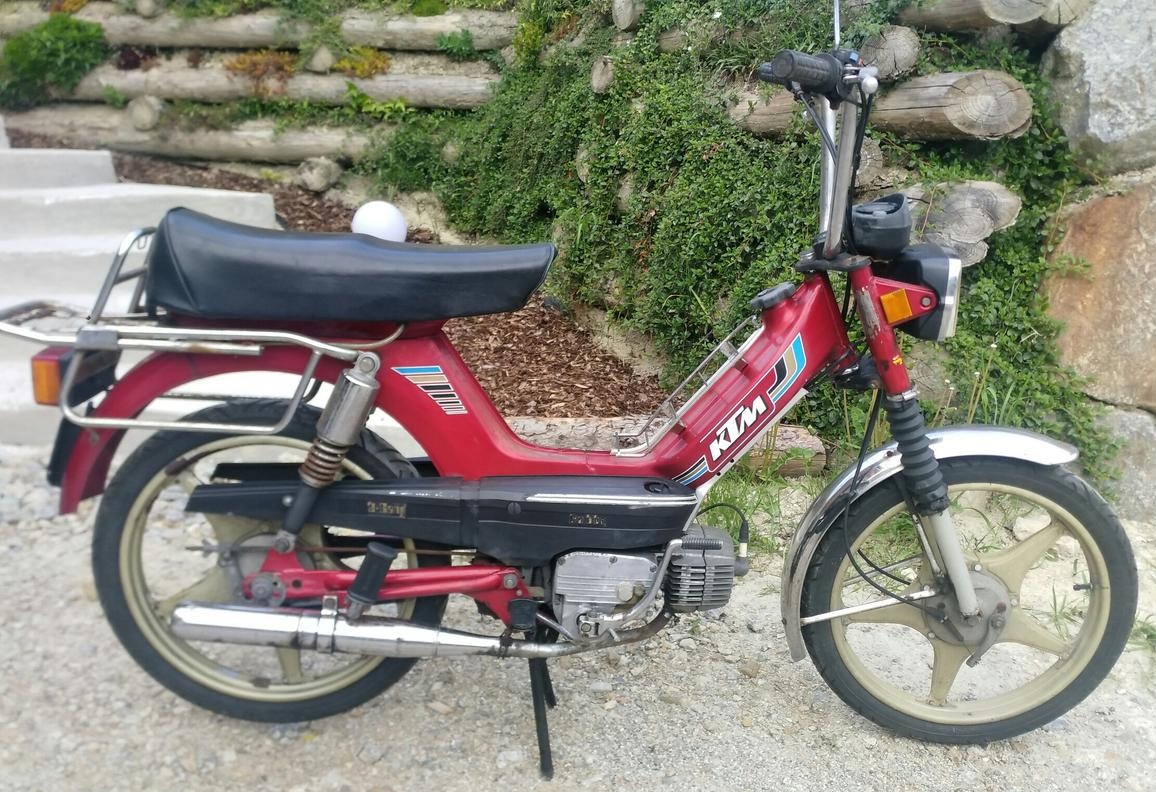
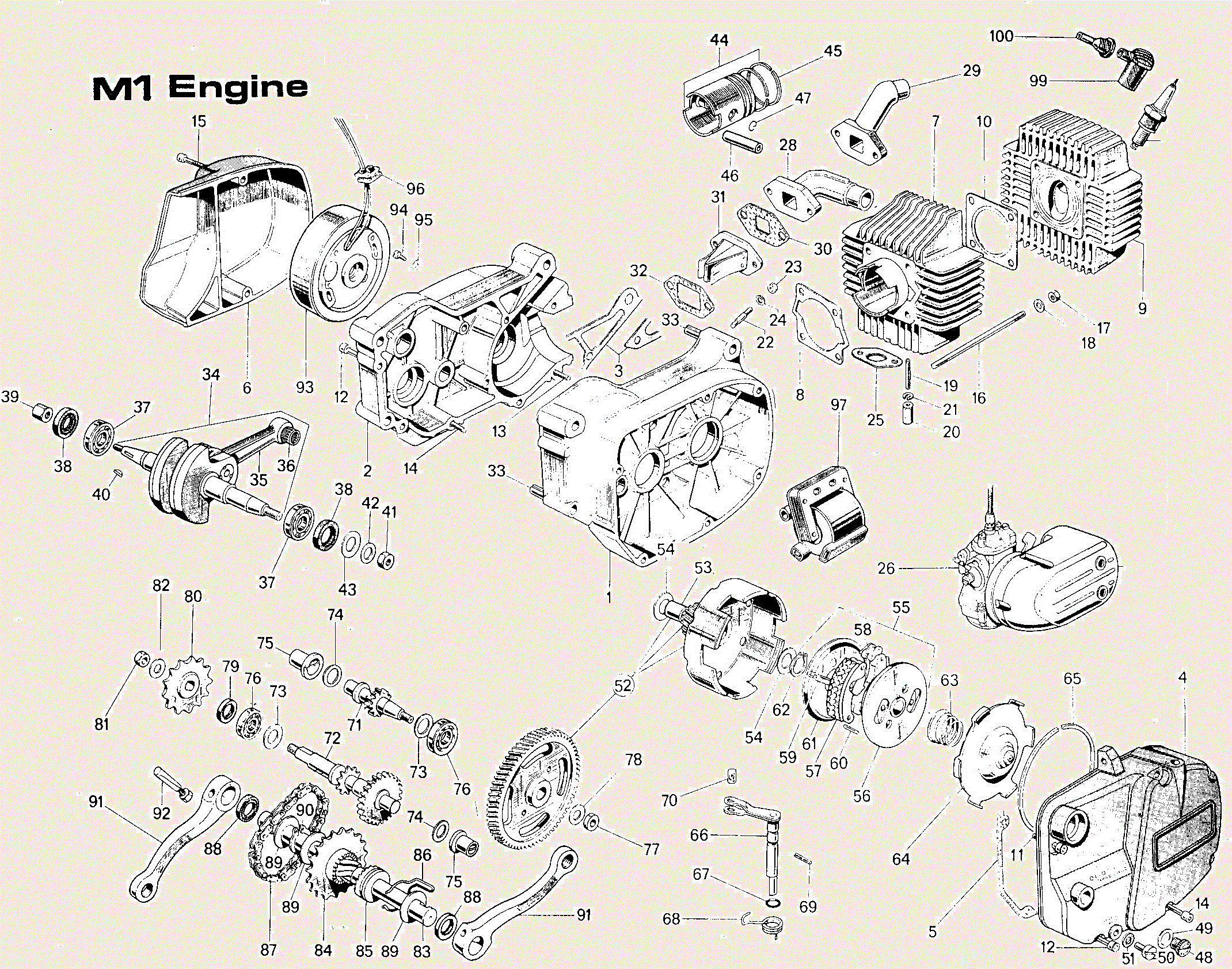
1985-88? KTM Hobby A  was a 1980’s model with a Franco Morini M1 one-speed automatic engine. The M1 had a case reed valve for more torque, quicker take-off. Wheels were Grimeca “6 Razze Paralelle” 1.35×16, with 2.25-16 tires.

Cables: There were 3 cables, throttle, front brake and start. There was no rear brake hand lever or cable.

1986 KTM Hobby A

Morini M1 1-speed


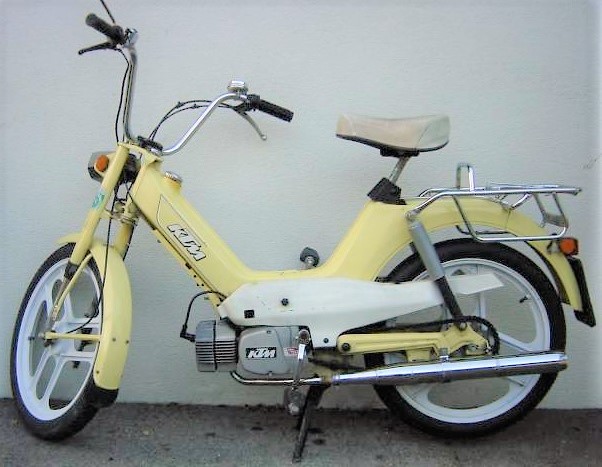
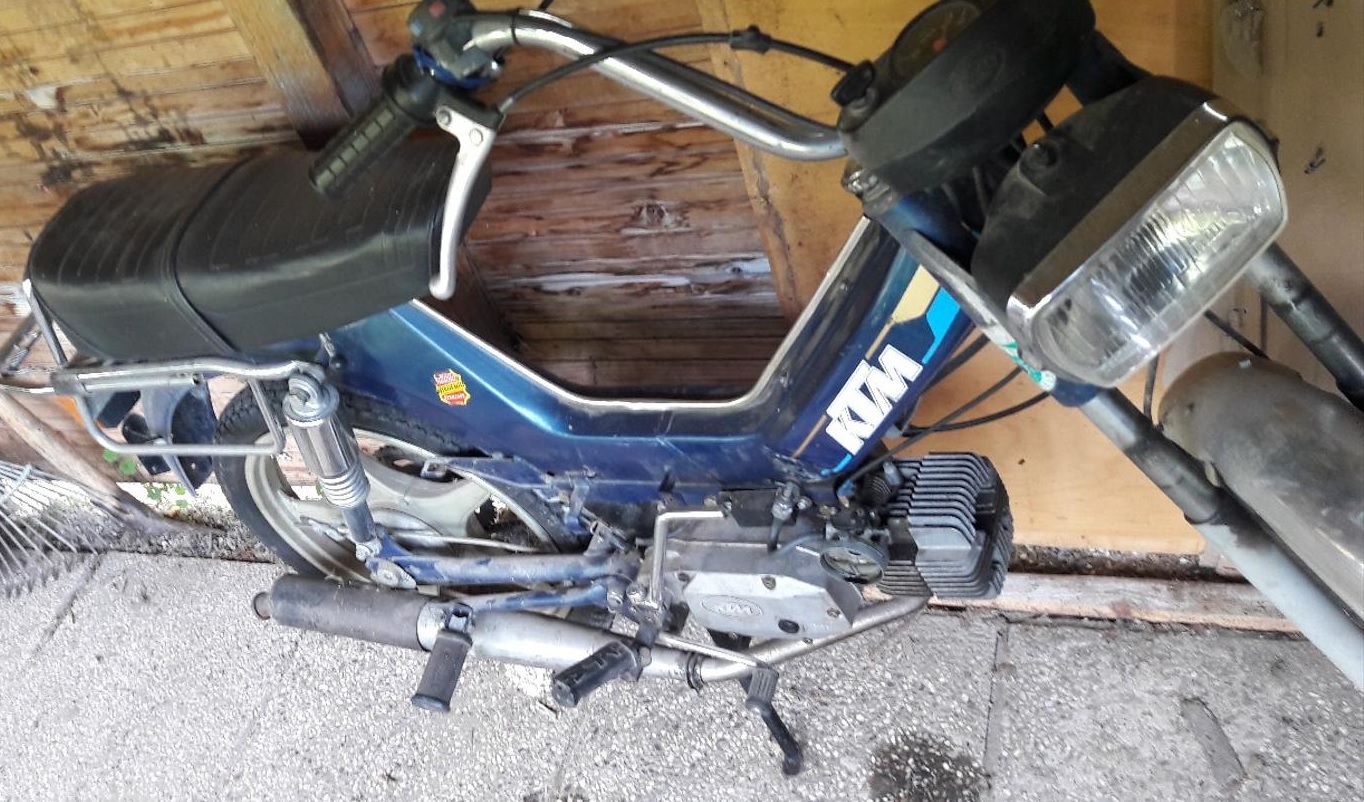
1983-88? KTM Okay had several Morini engines, all with Dellorto SHA 14/12 carburetor. Wheels were Grimeca “6 Razze Paralelle” 1.35×16 cast aluminum (one-chain rear), with 2.25-16 or 2.50-16 tires. Also 2.00-16 tires on 1.20×16 rim models.

KTM Okay Automatic Morini 
KTM Okay Automatic engine sprockets
KTM Okay Automatic  M1K xx 13 x 34

KTM Okay E-Starter x M1ES x 13 x 34
KTM Okay Vario xxxx M101K  10 x 40
KTM Okay 3-Gang xx  MO3 x  13 x 34
KTM Okay Automatic  M1P xx 13 x 34

1983 KTM Okay


1986-91? KTM Duo Quattro was a four speed version of the Duo. It had a Franco Morini MO-4 engine, 4-speed manual kick start.

Late 1980’s KTM Duo Quattro


7. 1974-85 KTM Foxi, Pony


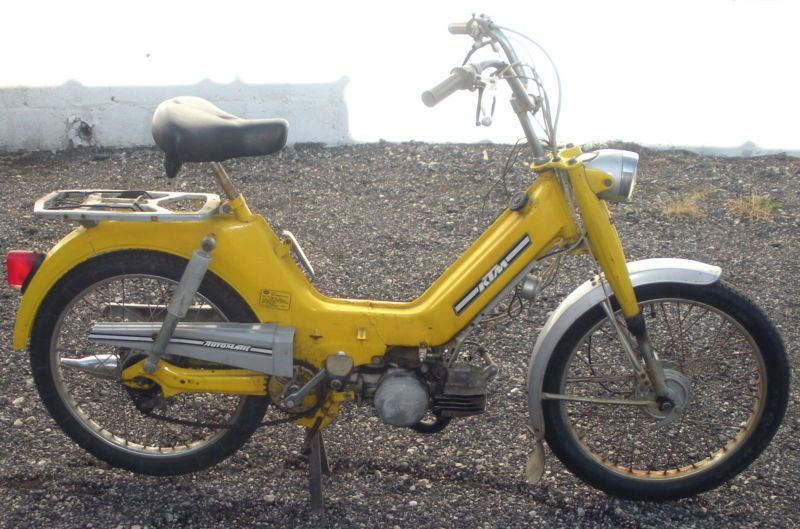
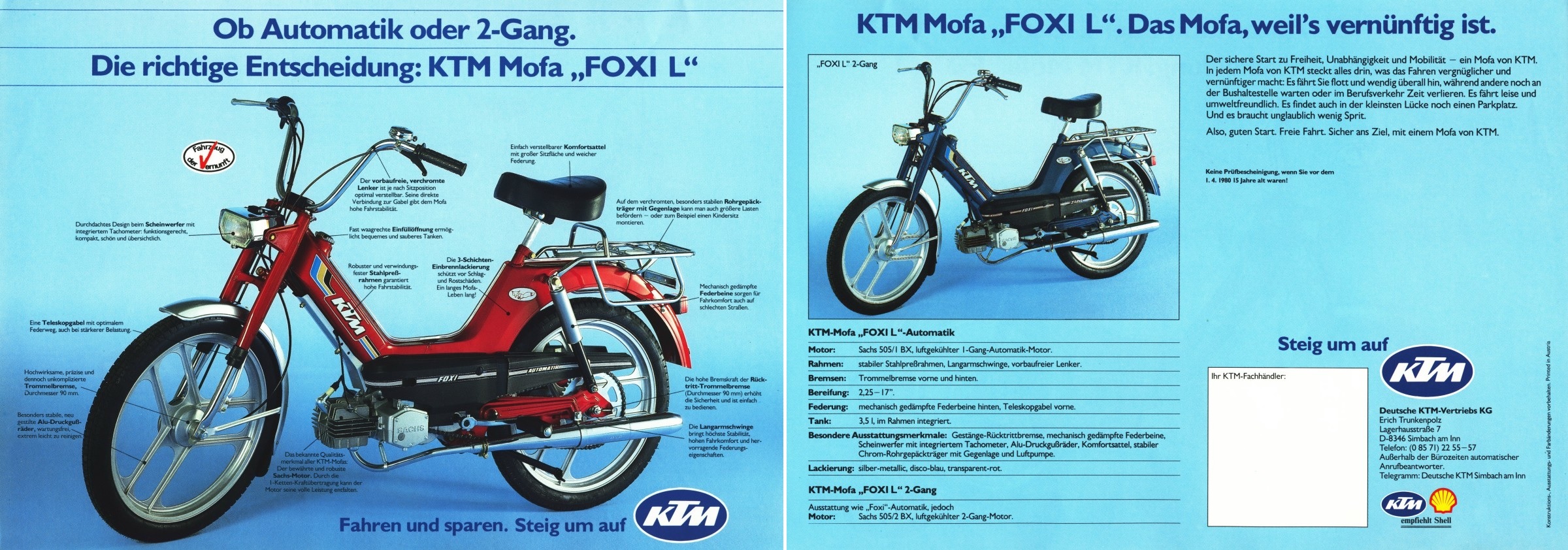
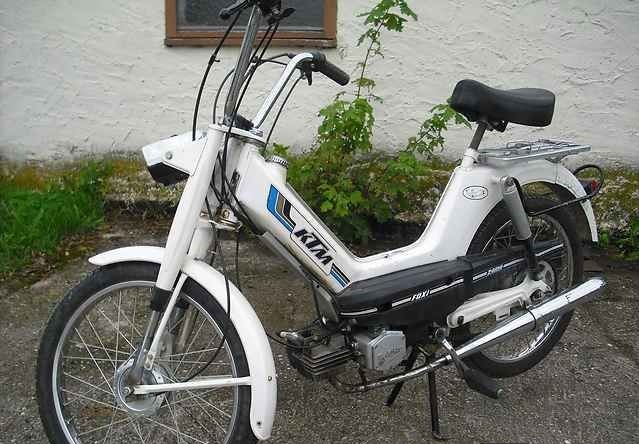
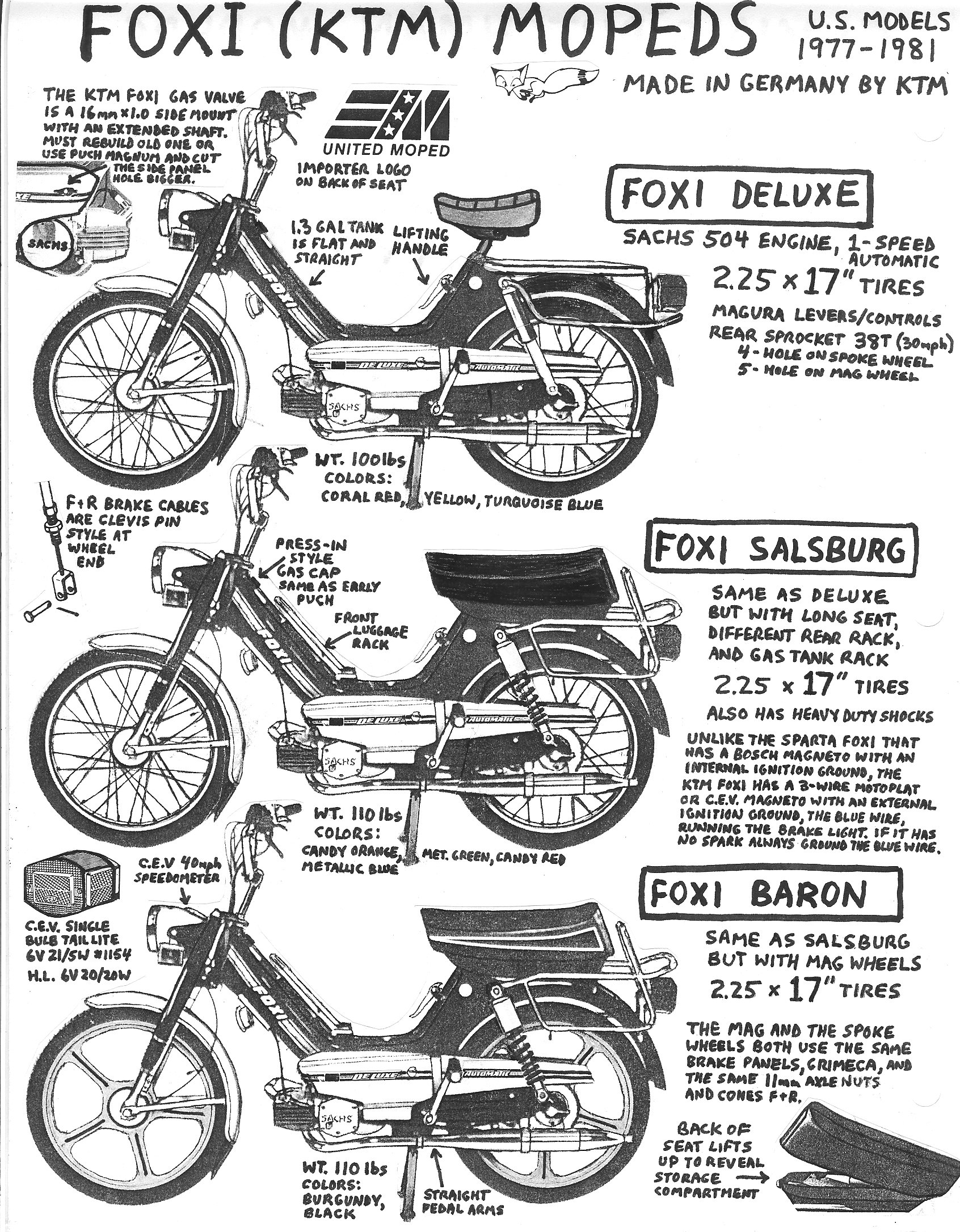
1974-77 KTM Foxi had new stickers and a Sachs 504/1A engine, mounted with an adaptor bracket to fit the same frame that was made for a Puch engine. It is the same as the US model Foxi Deluxe except for electrical equipment. Tires 2.00-17.

Cables: There were 5 cables, throttle, choke, front brake, rear brake and start. 

1975 KTM Foxi

1977 Foxi Deluxe (US)

Sachs 504/1  1-speed


1977-79 KTM Foxi L had new frame with a wider gas tank. It had a Sachs 504/1A engine, mounted with an adaptor bracket to fit the same frame that was made for a Puch engine. It is the same as the US model Foxi Deluxe except for electrical equipment. KTM cast magnesium wheels (two-chain-rear) 1.35×17 with 2.25-17 tires.

Cables: There were 5 cables, throttle, choke, front brake, rear brake and start. 

1978 KTM Foxi L

1977 Foxi Baron (US)


1979-82 KTM Foxi had a new frame and a Sachs 505/1D foot-brake engine, mounted directly. KTM cast magnesium wheels 1.35×17 with 2.25-17 tires.

1978 KTM Foxi with Sachs 505-1D (Argentina)


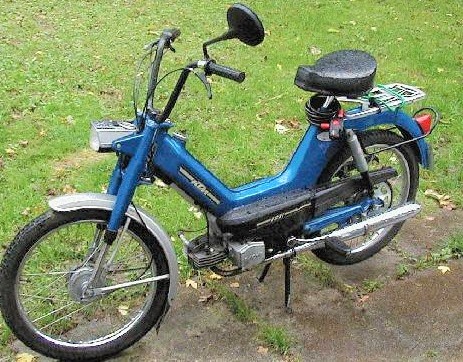
1979-85? KTM Foxi L had a Sachs 505/1BX 1-speed automatic engine with foot brake 25 km/h. Wheels were Grimeca “6 Razze Paralelle” 1.35×17 cast aluminum (one-chain rear), with 2.25-17 tires.

Cables: There were 3 cables, throttle, front brake and start. There was no rear brake hand lever or cable.

1982-85? Foxi L (2-gang) had a Sachs 505/2BX 2-speed manual shift engine with foot brake 25 km/h. Wheels were Grimeca “6 Razze Paralelle” 1.35×17 cast aluminum (one-chain rear), with 2.25-17 tires.

Cables: There were 4 cables, throttle, front brake, clutch and start. There was a left hand lever for clutch.

1983 KTM Foxi L


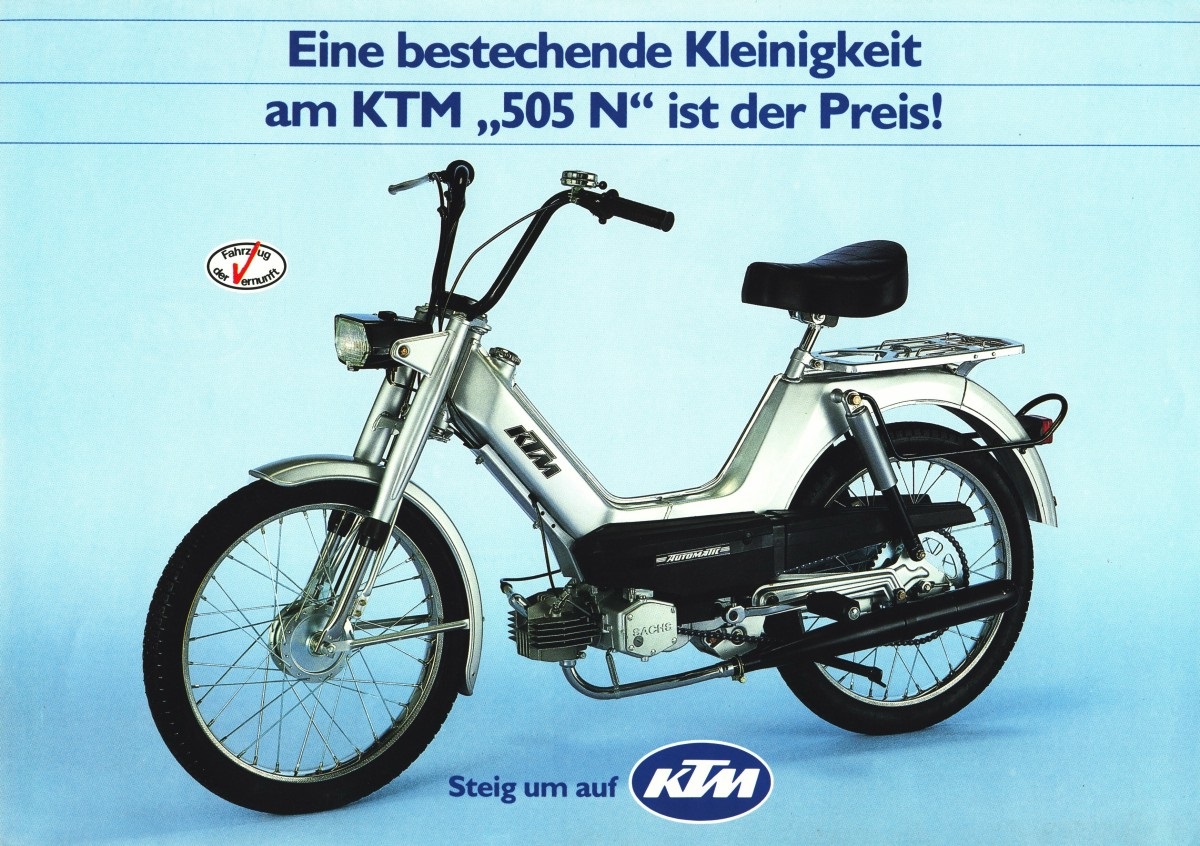
1979-85? KTM Foxi 505 N had a Sachs 505/1A engine with foot brake. The frame no longer had a pedal shaft behind the engine. The pedal shaft was now inside the engine. That eliminated the pedal chain and freewheel. So the new rear wheel had the brake on the right, instead of on the left inside the sprocket. 

Cables: There were 3 cables, throttle, front brake and start. There was no rear brake hand lever or cable.

1981 KTM Foxi 505 N

1983 KTM 505 N

Sachs 505/1A foot brake


1982-86? KTM Foxi 505 S had a Sachs 505/2D 2-speed manual shift engine.

Cables: There were 6 cables, right: throttle, front brake, choke, left: start, clutch, shift.

1983 KTM Foxi 505 S

Sachs 505/2D 2-speed


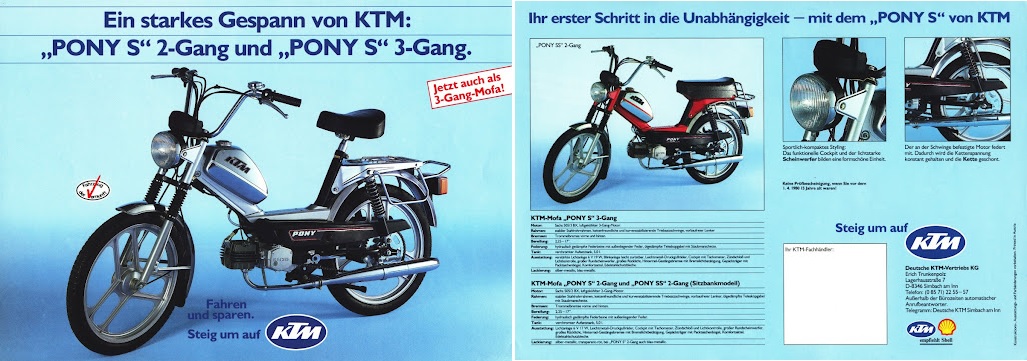
1979-85? KTM Pony S had a Sachs 505/2A 2-speed or Sachs 505/3A 3-speed engine, manual shift. The frame was a tube type with a detachable gas tank, unlike the Hobby’s and Foxi’s. Wheels were Grimeca “6 Razze Paralelle” 1.35×17 cast aluminum (one-chain rear), with 2.25-17 tires.

Cables: There were 6 cables, right: throttle, front brake, choke, left: start, clutch, shift.

1983 KTM Pony S

Sachs 505/2D 2-speed


8. 1992-05 KTM

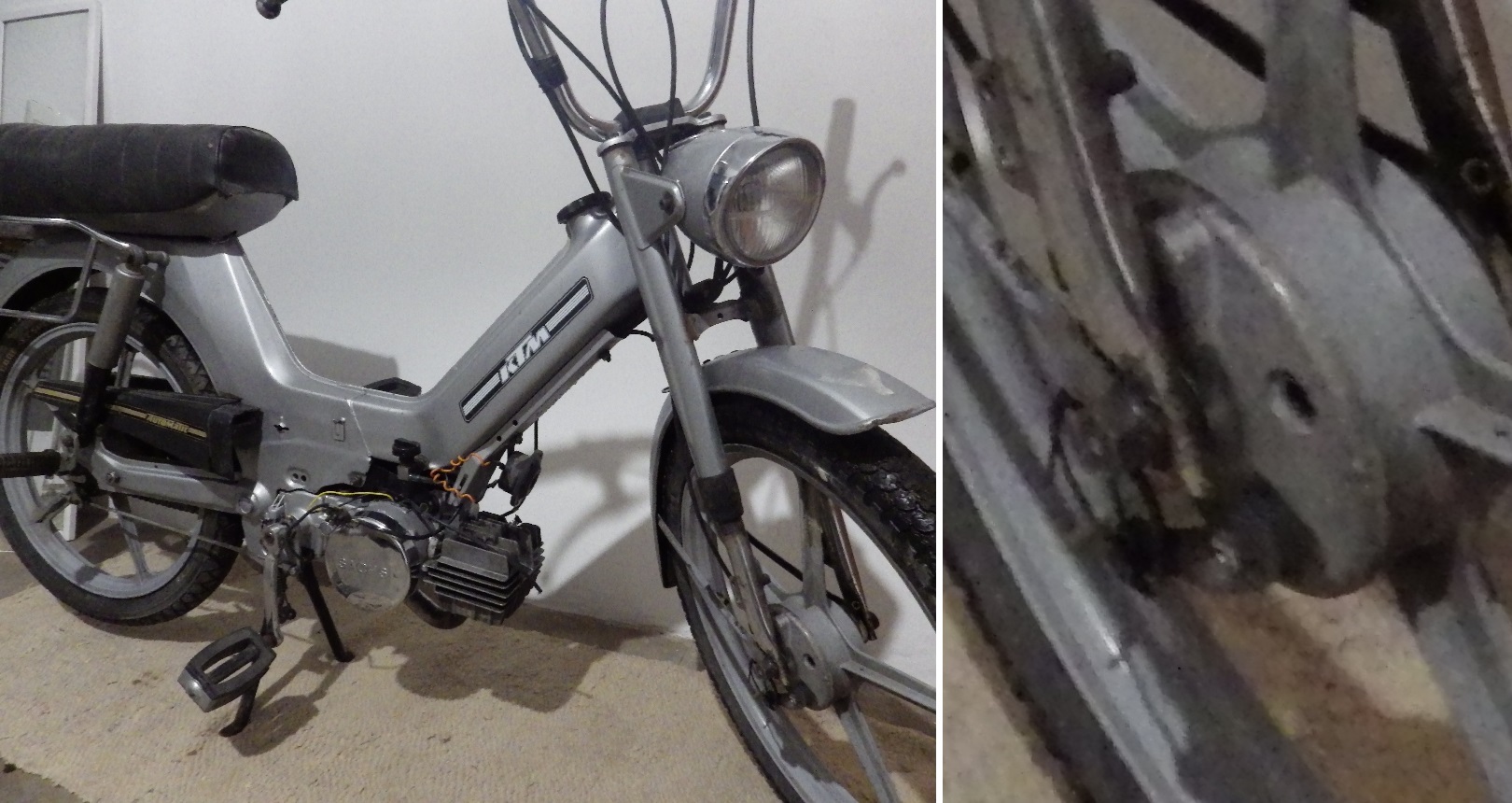
This had a Sachs 504 series one speed automatic engine. There are no stickers or model names. Wheels were Grimeca “6 Razze Paralelle” 1.35×16 cast aluminum (two-chain rear), with 2.25-16 tires.

Cables: There were 5 cables, right: throttle, front brake, choke, left: start, rear brake.

1998 KTM remake


9. 1976-80 KTM Foxi (US)


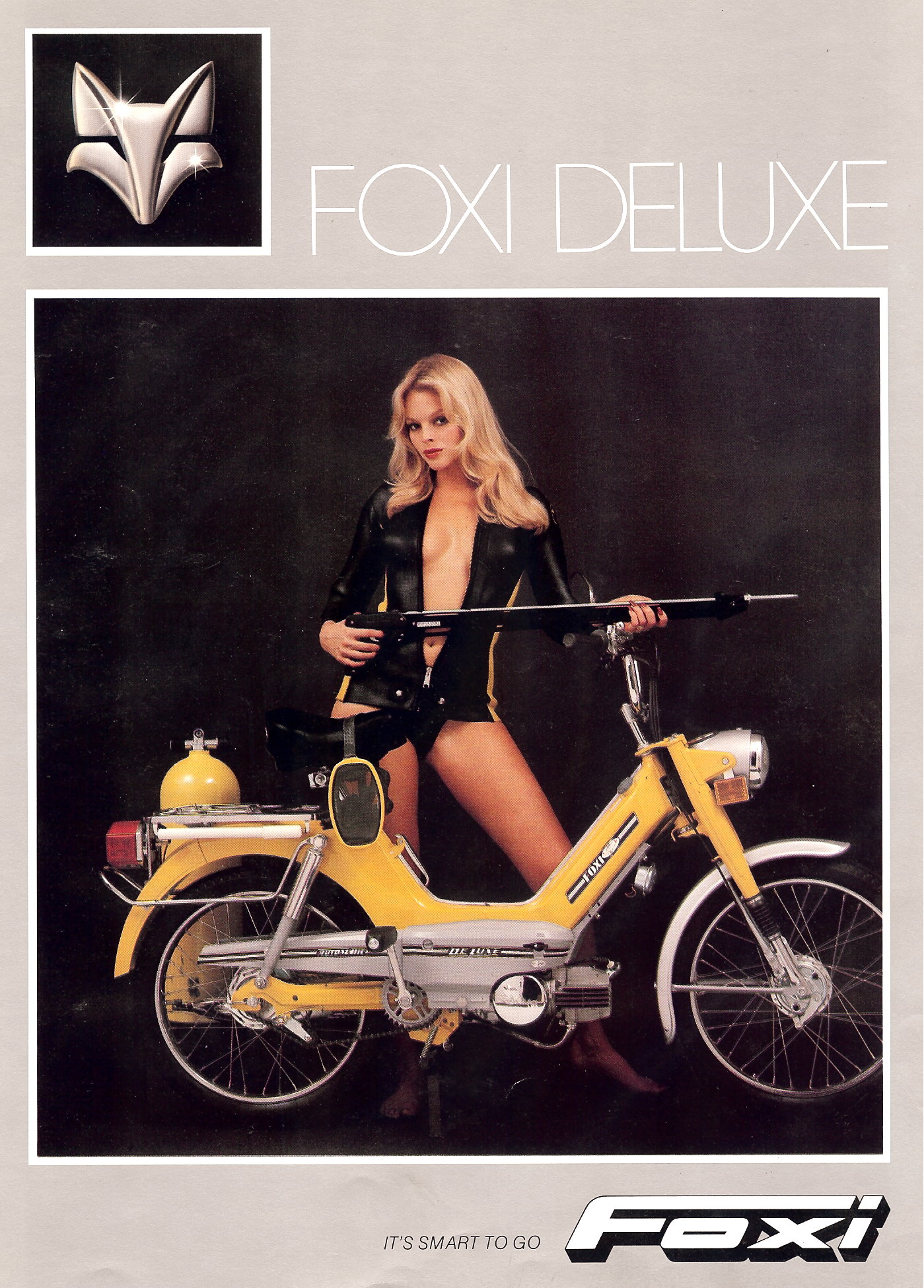
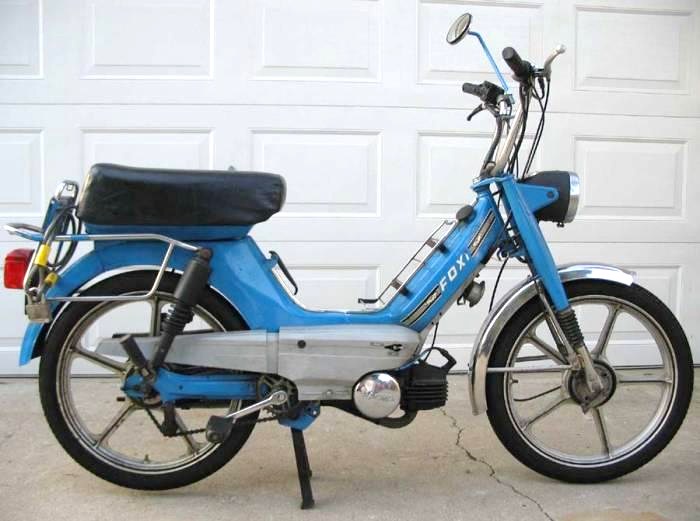
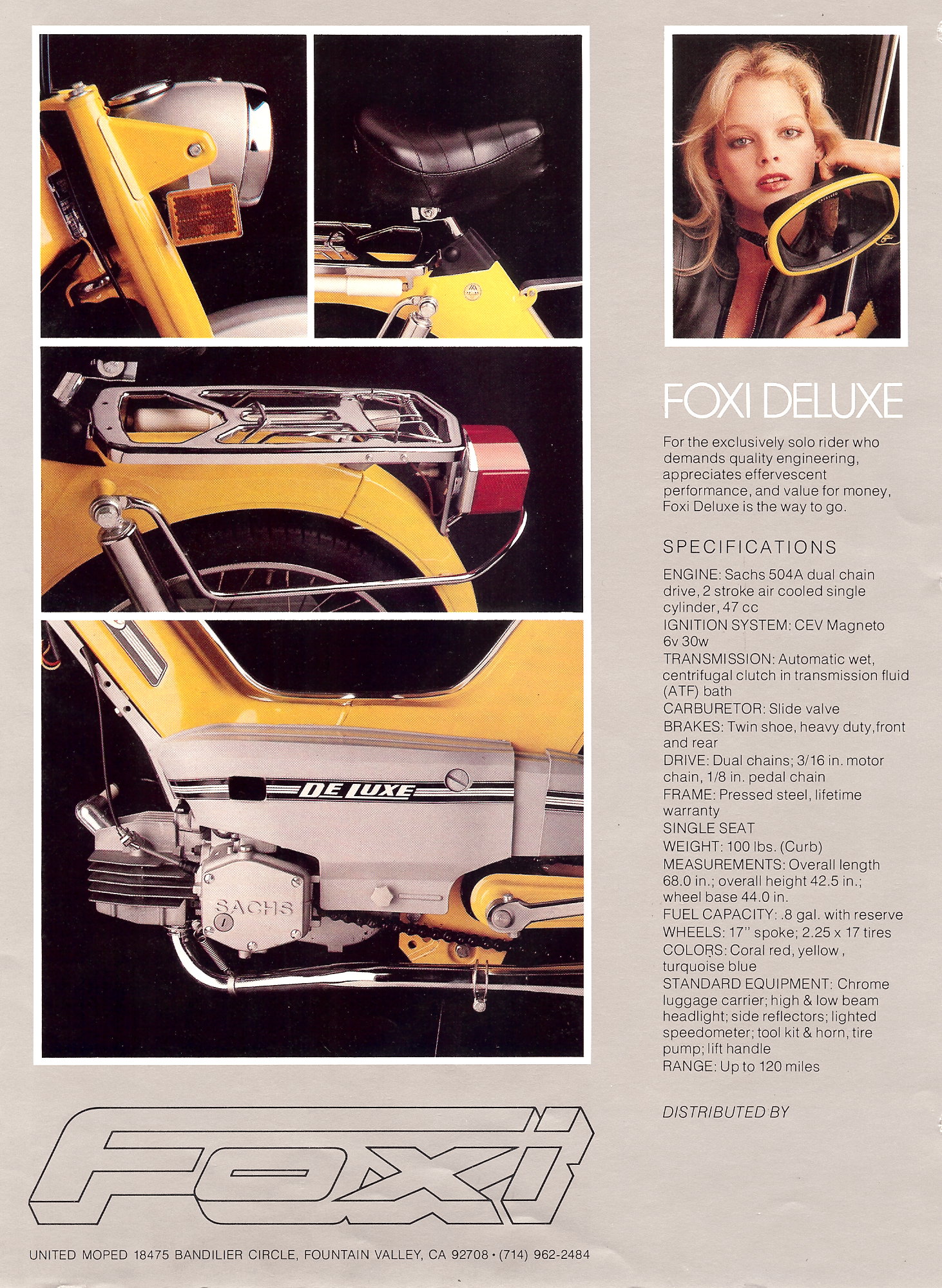
1976-78 Foxi Deluxe was a US model with a Sachs 504/1A engine. An adaptor bracket allowed the Sachs 504 engine to fit the frame designed for a Puch E50 engine. The Foxi Deluxe had a solo seat and spoke wheels. The front of the frame with gas tank was the same as a Puch Maxi. Thin rims and 2.00 – 17 tires. 

Cables: There were 4 cables, throttle, front brake, rear brake and start.

Foxi Deluxe

Foxi Deluxe

Foxi Deluxe Specs

Foxi Deluxe

Sachs 504/1  1-speed


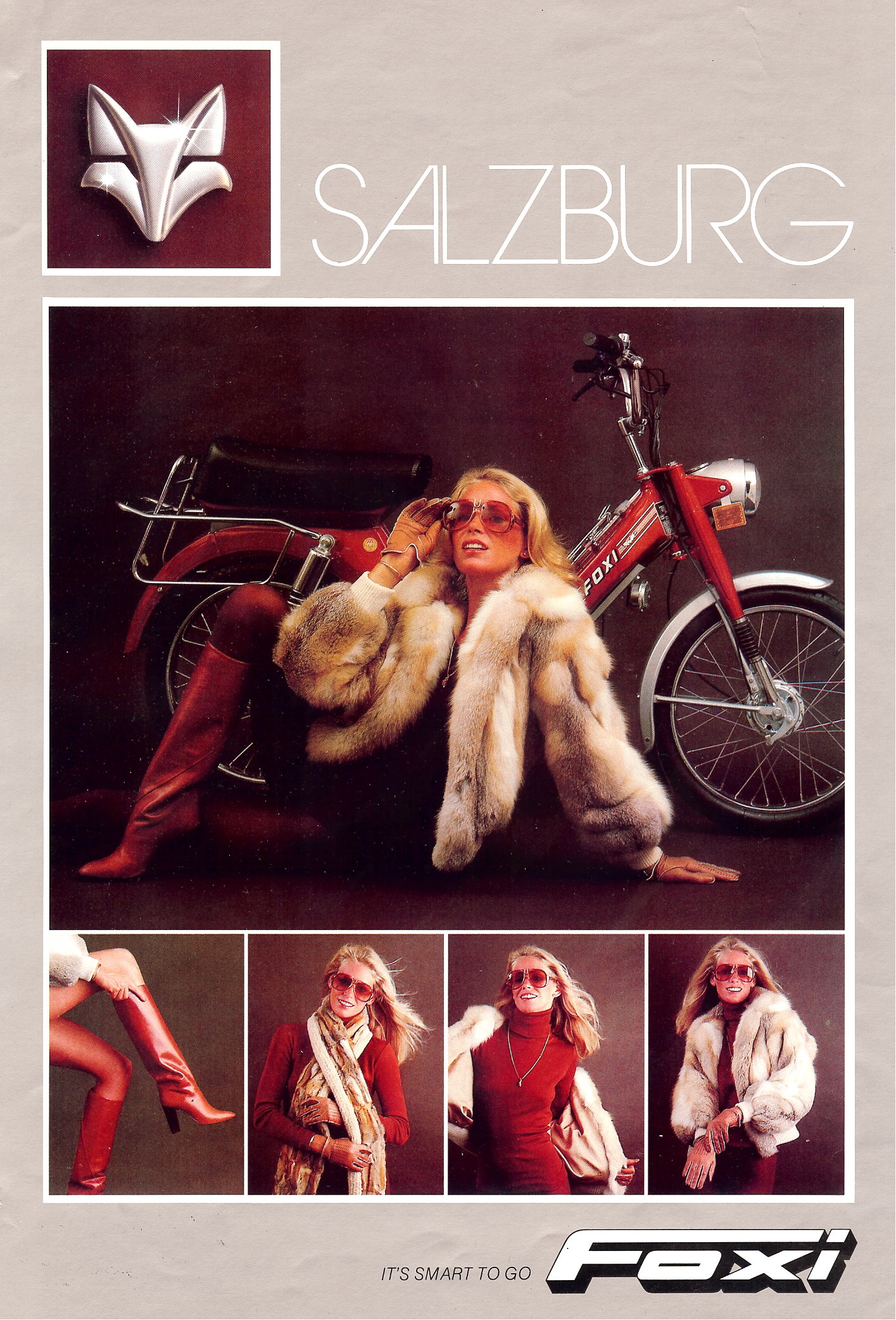
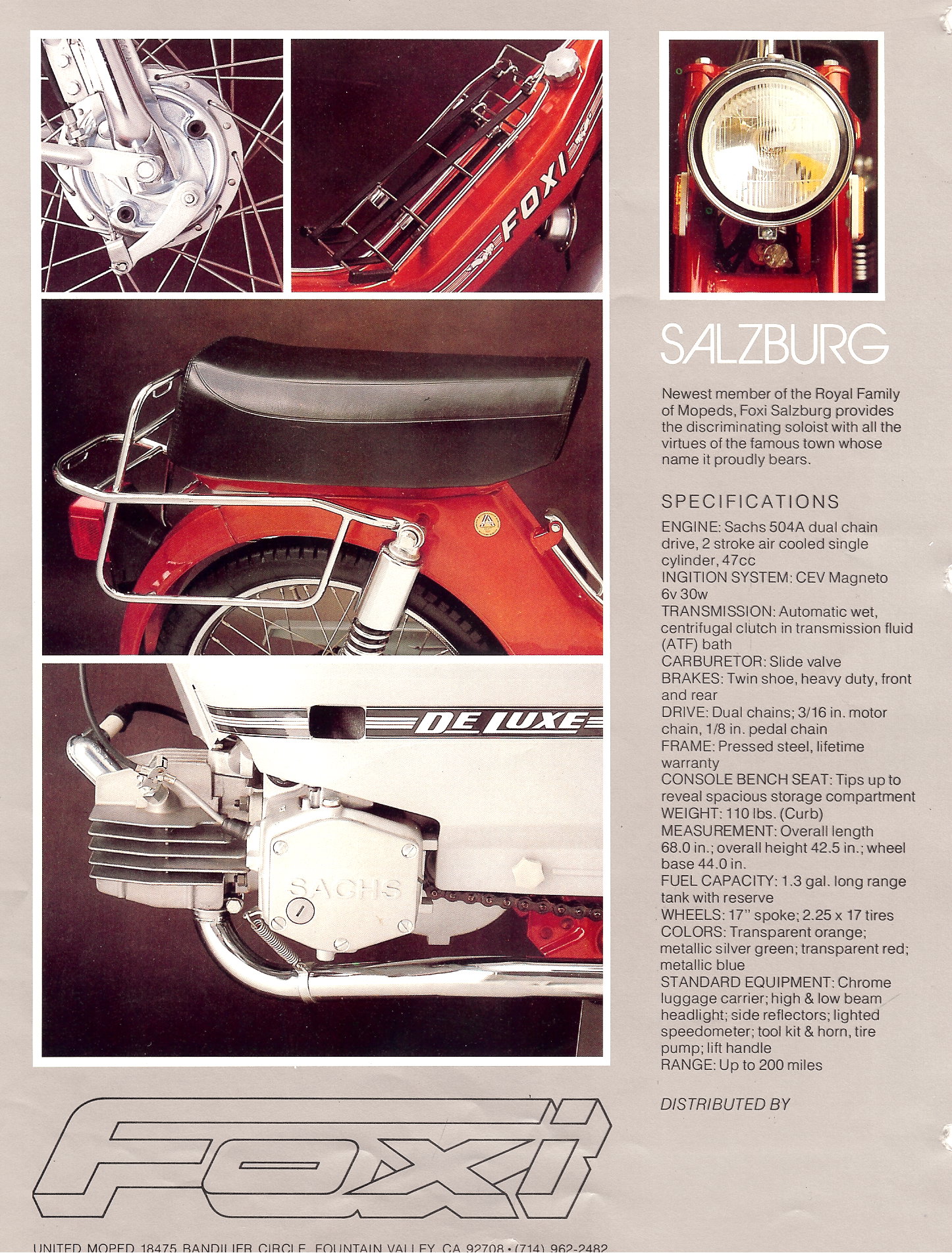
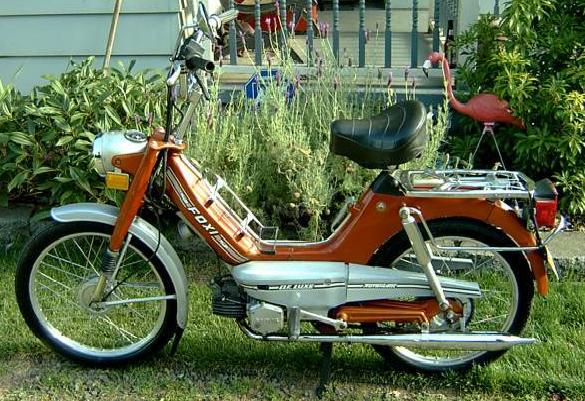
1977-78 Foxi Salzburg was a US model with a Sachs 504/1A engine. The exhaust was on the left. The 1976-77 Foxi Salzburg had a thicker solo seat, dual chrome luggage racks, and spoke wheels. 1977-78 had a long seat. Thin rims with 2.00-17 tires.

Foxi Salzburg

Foxi Salzburg

Foxi Salzburg

Foxi Salzburg

Sachs 504/1  1-speed

1977 Foxi GT Deluxe made by KTM

1977 Foxi Salzburg


1977 Foxi Baron was a US model with a Sachs 504/1A engine. The Foxi Baron had a long seat and Felge cast magnesium wheels. Tires 2.25-17.


Foxi Baron

Foxi Baron

Foxi Baron

Foxi Baron

Sachs 504/1 engine


Info Foxi KTM

KTM (US models)

1977-78 Foxi Baron was a US model with a Sachs 504/1A engine. It was the same as the 1977 model except for taller clamp-on handlebars. Tires 2.25-17.

1977 KTM Foxi Baron


The model names “Salzburg” and “Baron” were not on the bikes anywhere. Instead all three models were labeled as “Deluxe”. So only Foxi owners that had this brochure called their bikes Deluxe, Salzburg, or Baron. Every one else called their bike Foxi Deluxe, because that is what it says. So in a way, there are three kinds of Foxi Deluxe: Foxi Deluxe, Foxi Deluxe (Salzburg), Foxi Deluxe (Baron).  


Links to Parts for US Models (and others)


Sachs Bing Carburetor parts are in Parts/Carburetor/Bing 85
also   Bing Jets      Bing Service

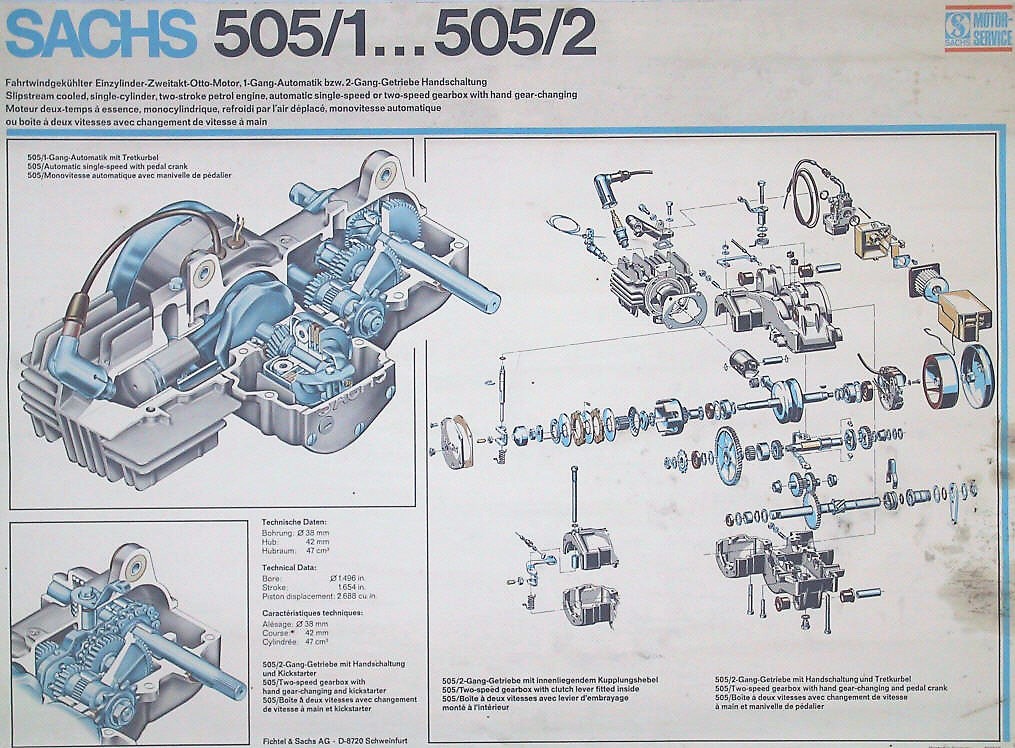
Sachs 504 Engine parts are in Brands/Sachs/Sachs 504/505
Pistons, Rings   Bearings, Bushings   Seals, O-rings   Engine Hardware

Controls and Levers are in Parts/Controls/Magura

Cables  are in Parts/Cables/KTM Cables

Gas Valve is #A33, a special M16x1 side-mount

Gas Cap is a 30 mm press-in type, see Parts/Frame/Gas Caps

Tail Lights are CEV 9350 (most ’76-77) or CEV 9400 (most ’77-80)

Bulbs, Head Lights are in Parts/Electrical/Bulbs, Headlights

Switches are in Parts/Electrical/Switches

Grimeca Hubs, axles, brakes

Spokes are 188 x 2.5 and 192 x 2.5 in Parts/Wheels/Spokes

Tires and Tubes  2.00-17 or 2.25-17, see Parts/Wheels/Tires & Tubes

Spark plugs, points are in Parts/Ignition/Plugs, Points, Condensers

Pedal Arms are 605R and 605L in Parts/Drivetrain/Pedal Parts
also   Chains   Sprockets   Pedals

KTM Side Covers: The KTM light grey chain guards, aka engine covers, are two pieces on each side. The back pieces are fixed to the swing arm. The front pieces, aka “side covers”, detach by quarter-turn plastic fasteners. They say “De Luxe” within the black horizontal stripe. They are what gets lost and are not available, sorry. However, Myrons has most of the screws and fasteners, and the rear chain guard pieces. 

KTM Speedometer: CEV 40mph, 60mm diameter, dark blue background with white numbers, CEV speedo driver type is “11mm Left 17”, Speedometer cable is “CEV” type, see speedos

Some frame rails, shocks, luggage racks, forks, fenders, are available but not listed here, yet. 


The following parts are the same on a KTM Foxi and a Sparta Foxi: Sachs 504 engine, CEV headlight, Magura levers, CEV switches, and possibly the CEV horn.

The following parts are different: the KTM frame (with lifting handle), fork, and frame, straight not curvy like Sparta, the CEV magneto 80mm 3-wire with an external ignition ground (blue wire), not Bosch 4-wire with internal ignition ground, the 17″ rims with Grimeca hubs and brakes, not 16″ rims with Leleu, the rear brake plate is specific to KTM and Hercules and is rare because it gets bent,  the brake light wiring, normally closed switches in series, not normally open switches in parallel. See Service/Electrical/Wiring Diagrams/KTM Foxi for more info.  


Cimatti

July 12, 2012

CimattiCimatti smallmade in Italy by Cimatti   Minarelli P1, V1, P4 engines

Cimatti C Logo

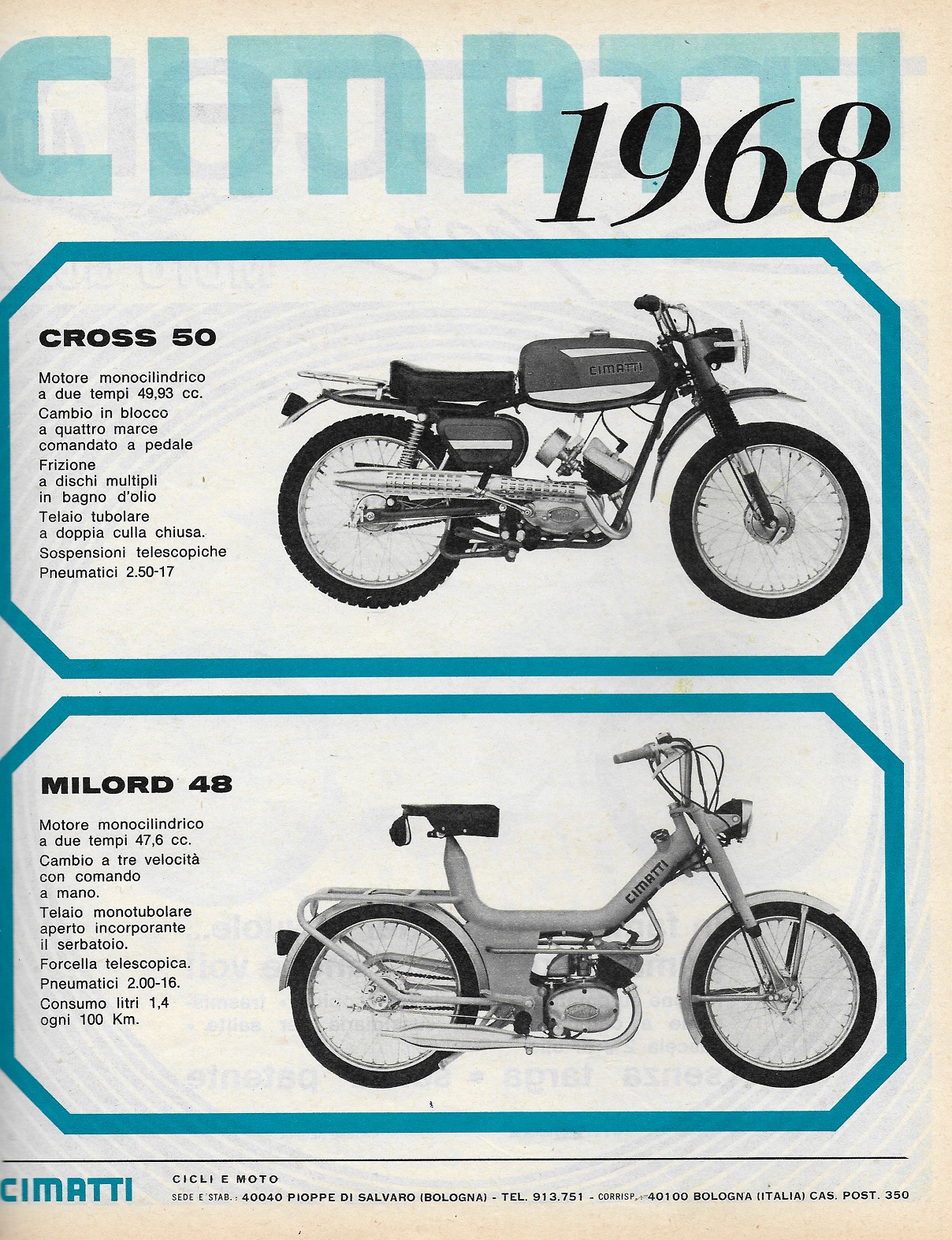
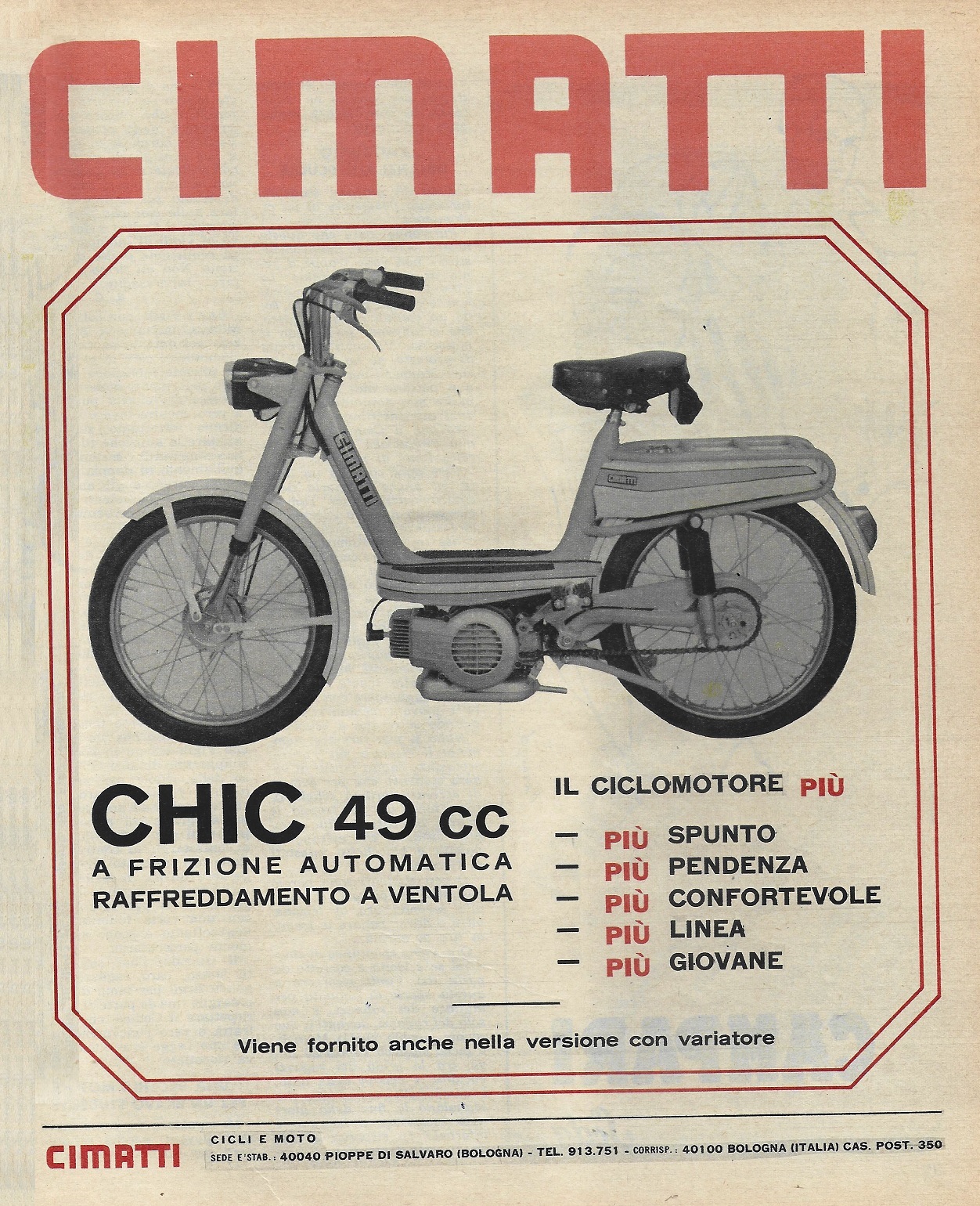
In 1937 the Olympic cyclist Marco Cimatti founded a small company in Bologna Italy that originally produced bicycles. In 1950 Cimatti changed to mopeds, and in the 1960s produced the Velocim moped, with Minarelli P1 motor, along with motorcycles and fully enclosed scooters. Marco’s son, Enrico Cervantes Cimatti expanded the business to export to the United States, France, Norway and Tunisia.

’64-66 Cimatti Velocim
Minarelli P1 motor

’64-66 Cimatti Velocim

’64-66 Cimatti Velocim

60’s Minarelli P1 motor


1968 Cimatti

1970 Cimatti Chic
(Italy model)

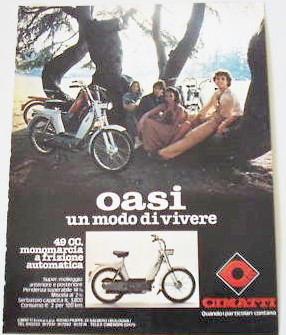
Cimatti Oasi Flyer

Cimatti Oasi
(a way of life)
Italy 1978

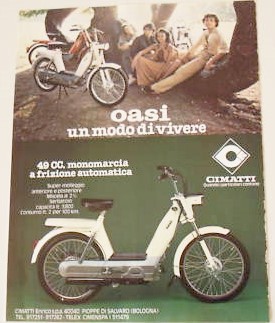
Cimatti Oasi (a mode of living)

Cimatti Oasi
(a mode of living)
Italy 1978


Cimatti Enrico SpA: By 1977 Cimatti only produced 50cc models, Chic, Town Bike, Twin Sport, Gran Prix XL, City Bike, and mini’s Mini Chic, Bat Boy, Bat Baby (all with tube frame, Minarelli V1 1-speed automatic engine), 86 (U-tube frame, Minarelli P4 4-speed manual shift). In 1978 they presented the Oasi, with a new pressed sheet steel frame, but still a Minarelli V1 engine. In 1980 they released the Gringo with a 4-speed Minarelli P4. A recession in the early 1980’s forced the company to close in 1984.


Cimatti Mopeds (US models)

dealer notebook

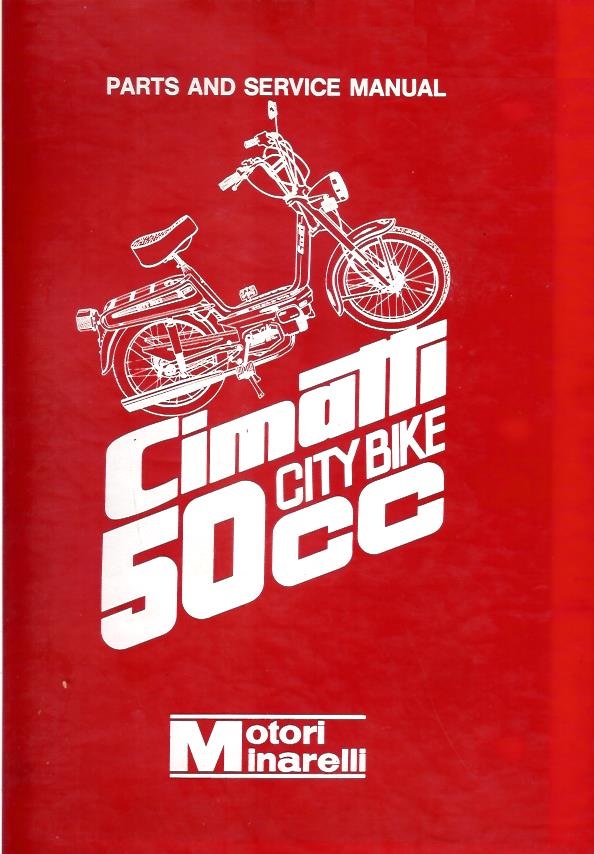
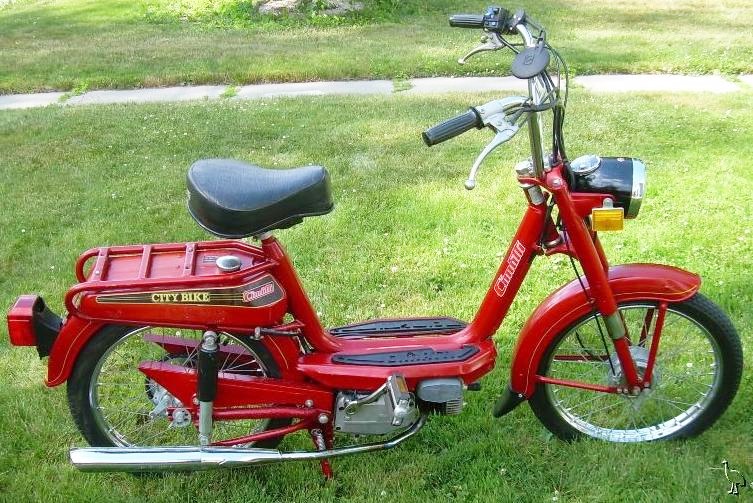
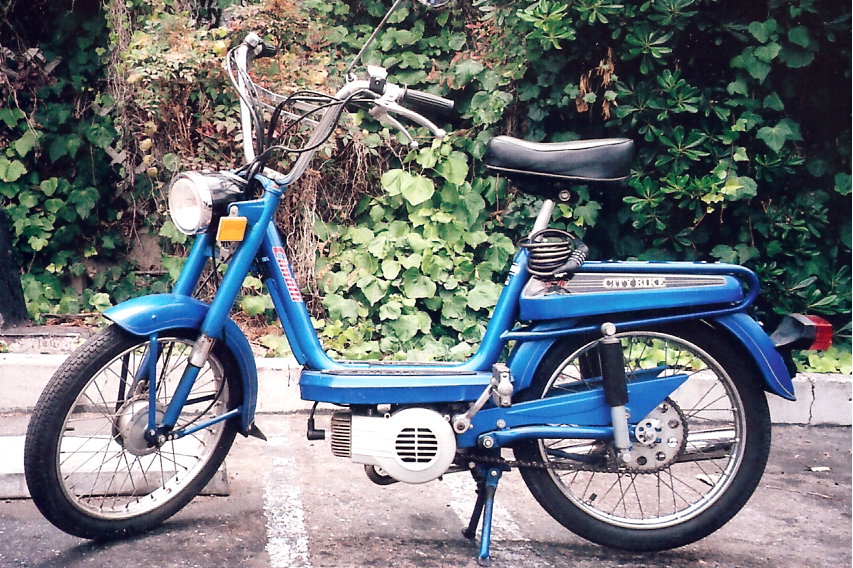
City Bike is the USA version of Chic. In the US, “chic” is slang for “girl”. So the name was changed.

Cimatti Ltd: The US importer/distributor was Cimatti Ltd., Berkshire Industrial Park, Bethel CT 06801. In 1978 they produced red dealer notebooks, well-made, with parts, service, policies, etc.

US model mopeds ID stickers said the maker was Cimatti Ltd (1976-79) or Cimatti Enrico SpA (1980-81).

Marina Mobili: In the early 1980’s Cimatti Ltd. became part of Marina Mobili Inc (MMI) in Moonachie New Jersey. MMI bought out most of the Italian moped US importers in the early 1980’s, like Baretta (Piccoli), Cimatti, Demm, Gitane (Testi), Malaguti, Negrini, Pacer (Italtelai) and others.


Cimatti engine and speed versions:
2.0 horsepower, 30 mph versions
Minarelli V1 engine “early plastic fan shroud”, 11T sprocket, Ø12 intake
Dellorto SHA 14/12 carburetor, #52 jet
1.5 horsepower, 25 mph versions
Minarelli V1 engine “early plastic fan shroud”, 10T sprocket, Ø9 intake
Dellorto SHA 14/12 carburetor, #52 jet
1.0 horsepower, 20 mph versions
Minarelli V1 “early plastic fan shroud”, 9T, Ø7 intake, restricted cylinder
Dellorto SHA 14/9 carburetor, #48 jet

Cimatti components:
CEV lights, switches, horn
CEV speedometer, driver, cable
CEV magneto, points, condenser, coils
Domino “1970s chrome” levers/controls
Grimeca wheel hubs, brakes, and axle parts
all single ended (universal) cables (except early wrap around throttle cable).

1975 Cimatti City Bike

1975-76 Cimatti City Bike
Domino wrap-around throttle
(cable exits away from handlebar)
double ended throttle cable
CEV large oval single bulb tail light
30mm quarter turn gas cap
2.25 – 16 tires (16″ rims)

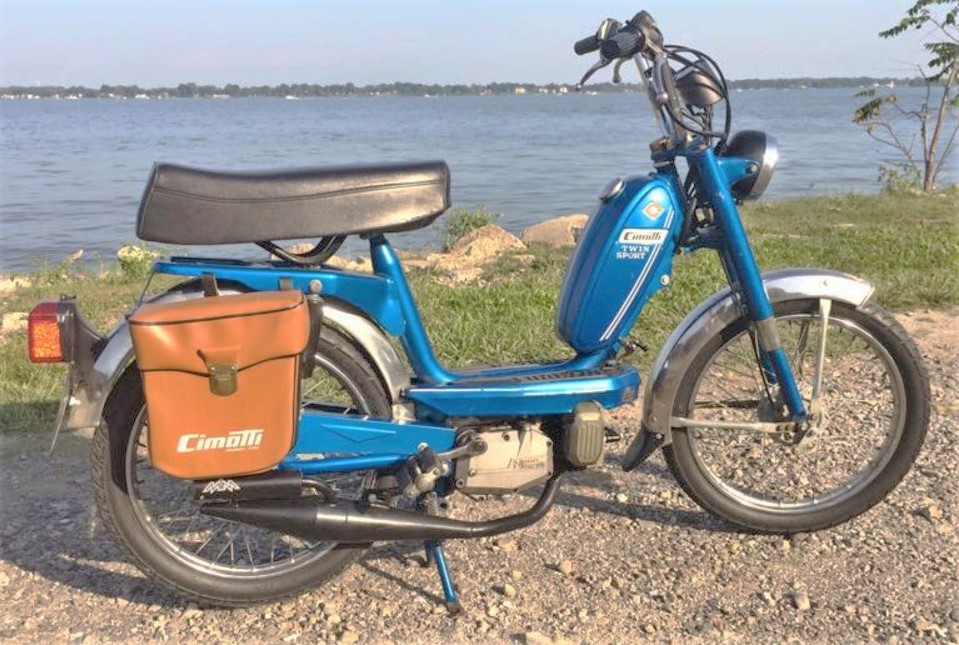
1976 Cimatti Twin Sport

1976 Cimatti Twin Sport (twin gas tanks)
Domino wrap-around throttle
(cable exits away from handlebar)
double ended throttle cable
CEV large oval single bulb tail light
30mm push-in gas cap (front tank)
2.25 – 16 tires (16″ rims)


Shocks: Cimatti rear shocks are compatible with Tomos.
Exhaust: One-piece exhaust is longer than other Minarelli ex,austs, sticks out past the tire.
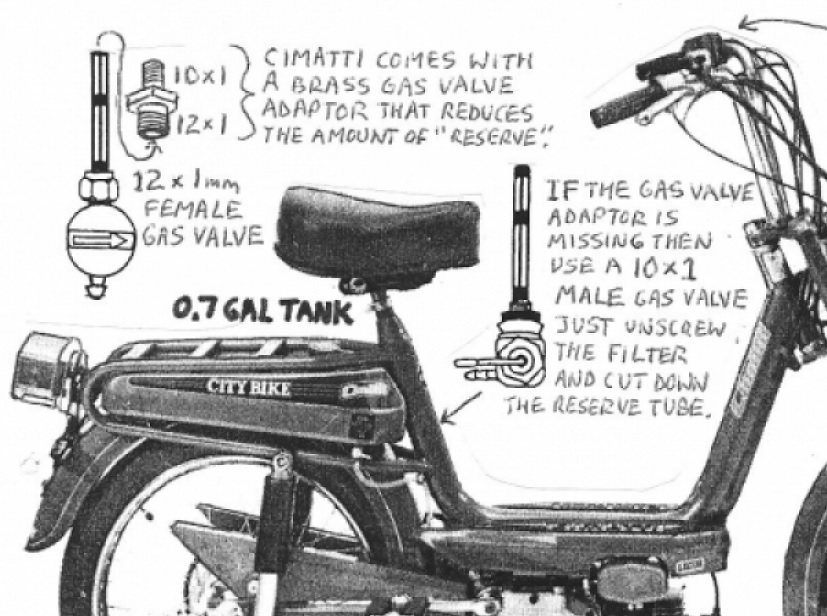
Rear tank: Only 1/2 gallon, M10-1.0 threaded hole, came with a 10-12 extender/adapter
Front tank: 0.9 gallon, M10-1.0 threaded hole, gas valve M10-1.0 male “spigot left”


1977 Cimatti Town Bike

1977 Cimatti Town Bike
2.25 – 16 tires (16″ rims)

1977 Cimatti Town Bike

1977 Cimatti Town Bike
2.25 – 16 tires (16″ rims)


Gas tank: 0.9 gallon, M12-1.0 male threads, gas valve M12-1.0 “spigot left”

After 1977 the Town Bike was called Twin Sport, even though it still had one gas tank.


1978 Cimatti City Bike

1977-78 Cimatti City Bike
Domino sliding block throttle (cable exits along bar)
single ended throttle cable, 2.25 – 16 tires
CEV rectangular dual bulb tail light

1978 Cimatti City Bike

1978-79 Cimatti City Bike
This one has a replacement ULO tail light.
2.25 – 16 tires (16″ rims)


Secret Toggle Switch: Cimatti mopeds, US models, with the “bullet” type headlight (City Bike, Town Bike, Twin Sport) have a secret toggle switch under the left side of the headlight. It is for emergency use if the engine ever looses spark. If brake light wires become disconnected, like when the rear light is missing, the engine will not run. By switching from “normal brake light operation” (switch towards rear), to “no brake light” (switch toward front), the spark is restored and the engine will run, but the brake light will not operate.    


Cimatti Gas Valve

Cimatti rear tank, two-possible gas valves

Cimatti front tank

Cimatti front tank, M12-1.0 spigot left


1978 Cimatti Twin Sport

1978-79 Cimatti Twin Sport (not twin tank)
single front gas tank, same as Town Bike
2.25 – 16 tires (16″ rims)

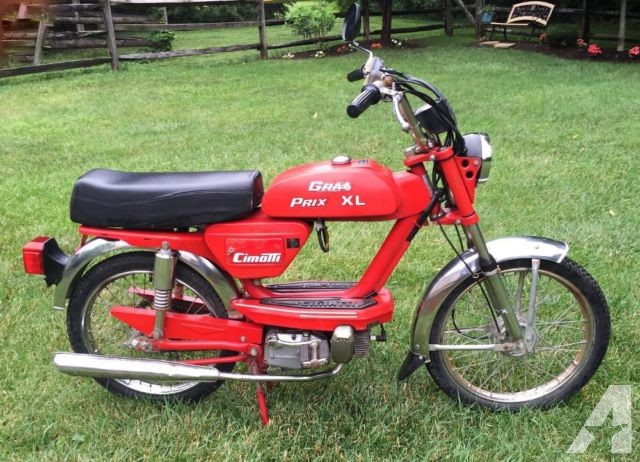
1978 Cimatti Gran Prix XL

1978-79 Cimatti Gran Prix XL
2.25 – 16 tires (16″ rims)


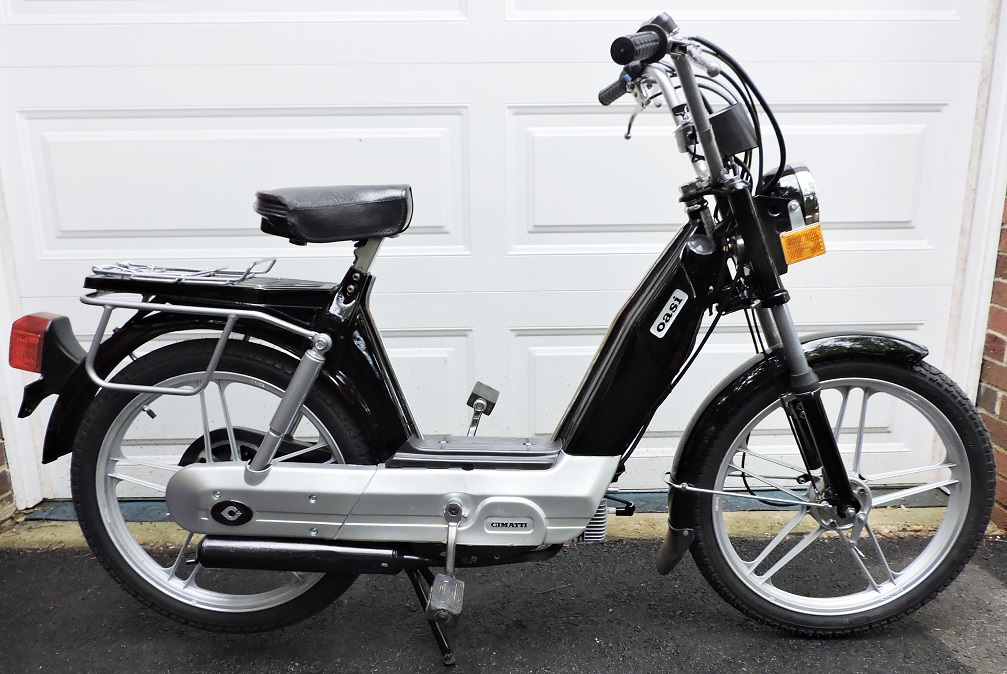
1980 Cimatti Oasi

1980-81 Cimatti Oasi, restored by B. Small
2.25 – 17 tires (17″ mag wheels)

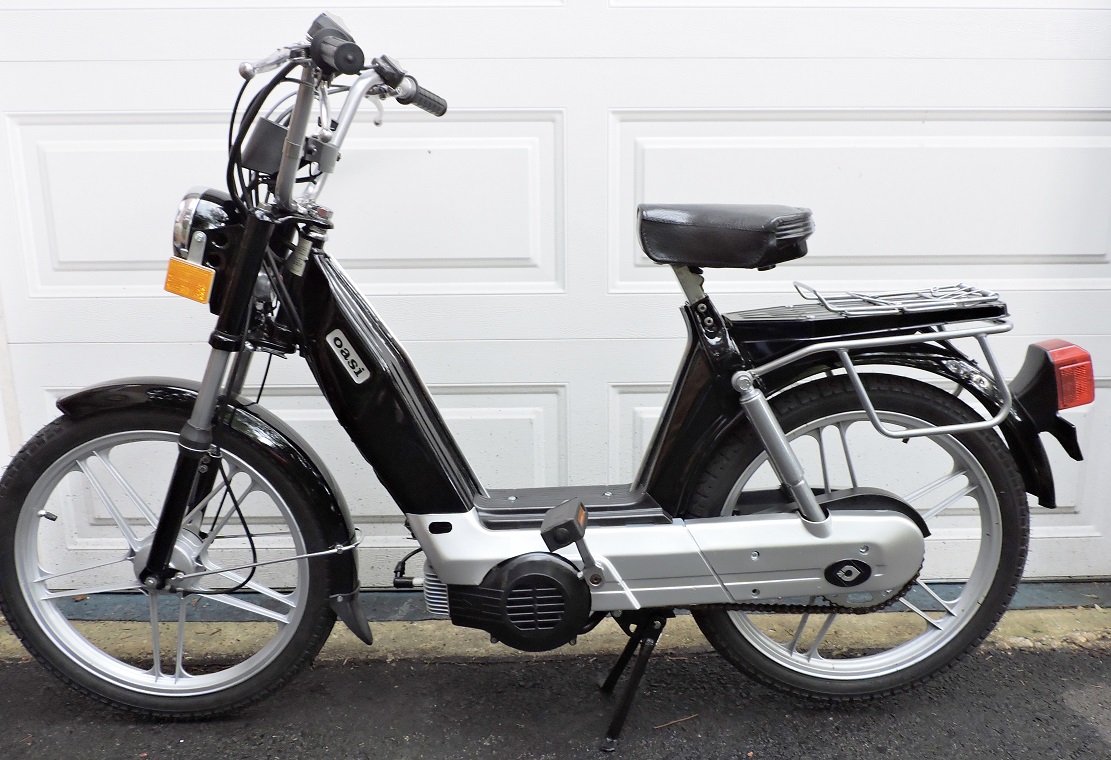
1980 Cimatti Oasi

The Cimatti Oasi has a stamped sheet frame.
2.25 – 17 tires (17″ mag wheels)


The following parts, that Myrons has, will (eventually) be listed here: Cimatti fenders, side panels, chain gaurd, rear shocks, fork assy, handlebars, center stand, frame parts, seats, exhaust, decal sets (also in Accessories/Stickers), Cimatti manuals.


1) 1970’s Domino Wrap-Around throttle

2) 1970’s Domino sliding block throttle

3) 1970’s Domino sliding block throttle top view


Cimatti Throttle Cables: Cimatti mopeds have two different throttles. 1) the 1976-1977 Domino “wrap around” throttle, which takes a double ended throttle cable, that comes out from the bar. 2) and 3) the 1977-1979 Domino “sliding block” throttle, which takes a single ended (universal) throttle cable, that goes along the bar.


4) Cimatti carb elbow
correct length 30mm

5) Cimatti carb elbow is
30 long x 22mm high

6) This non-Cimatti elbow
is shorter than original


Cimatti Carb Elbow: All Cimatti mopeds use the same Delorto SHA14/12 carburetor, which normally has the original 90 degree curved tube, known as the “carb elbow”, where the throttle cable enters the top of the carburetor. 4) the very low carb elbow is still almost as high as the floorboards. The double ended throttle cable is set for the length of the original carb elbow. Without the elbow the wire is too long. A new single ended (universal) throttle works with or without a carb elbow, as the length is set by the pinch bolt during installation. 5) the correct carb elbow for Cimatti shown separately. It is 30mm long and 22mm high, total. 6) a Cimatti with a not-original shorter carb elbow. Click to enlarge and notice how the elbow in picture #6 is 9mm shorter than the elbow in picture #4.

Cimatti Double Ended Throttle Cable for Wrap-Around Throttle: Housing length 37 inches, Exposed length 94mm (3 11/16″), diameter at ends 5.3mm (Barnett #MP-305) to 6.5mm (OEM).

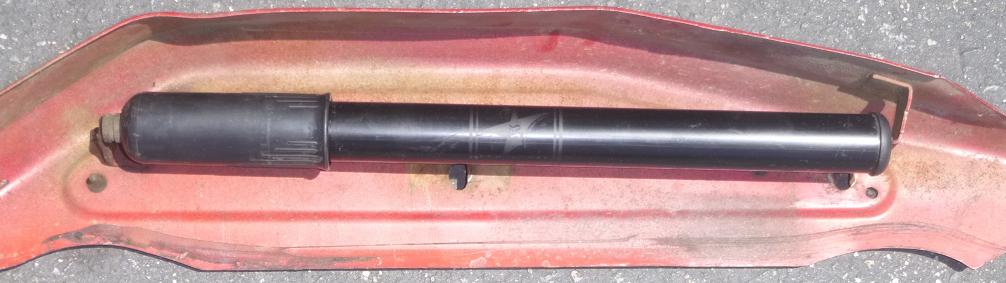
Cimatti City Bike original pump SKS made in Germany 12.2 inch long off and 11.9 inch long installed as shown

Cimatti City Bike original pump SKS made in Germany 12.2 inch long off and 11.9 inch long installed as shown


Hercules Parts

July 12, 2012

At this time there are not any Hercules moped parts listed here.

But there are many Hercules moped non-engine parts listed by type in the parts menu.